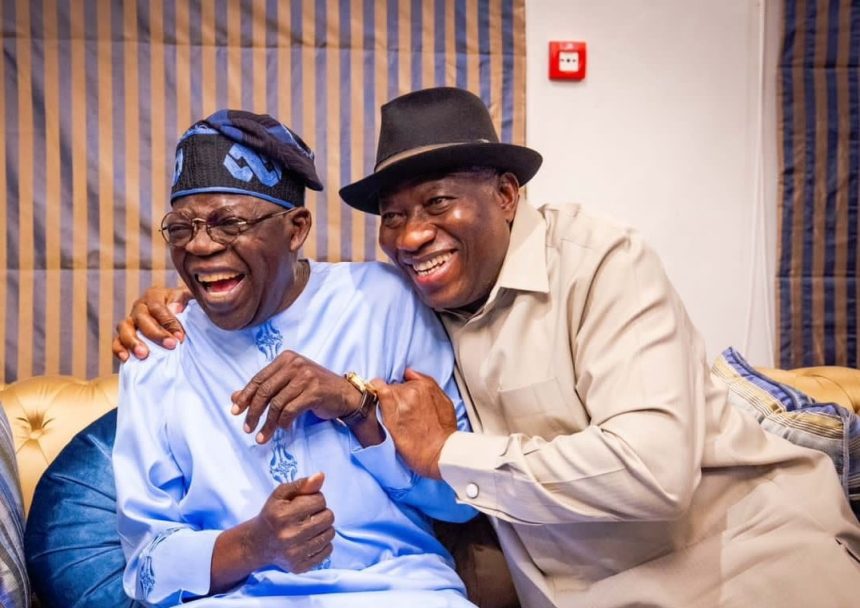
As Nigeria looks ahead to the 2027 presidential election, speculation is mounting over the prospects of former President Goodluck Jonathan returning to the ballot to challenge incumbent Bola Ahmed Tinubu.
The question remains: does Jonathan stand a real chance?
Political analysts note that Jonathan enjoys residual goodwill among Nigerians who view him as a peaceful statesman, remembered for his historic concession in 2015.
His reputation as a unifier, coupled with his southern background, could make him an attractive consensus candidate if the opposition decides to rally around him.
Recent court rulings have also cleared the path for his eligibility to run.
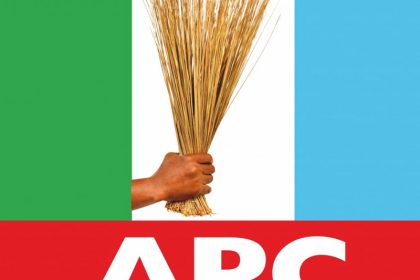
However, Tinubu’s incumbency presents a formidable obstacle. As sitting president and leader of the ruling All Progressives Congress (APC), he wields control of party machinery and enjoys the advantages of state power.
For Jonathan to pose a serious threat, observers argue, opposition parties must unite, avoiding the vote-splitting that has often benefited ruling parties in past elections.
Critics further warn that Jonathan’s return is not without risks.
Despite enjoying strong backing in 2015, including the support of 22 governors, he ultimately lost to Muhammadu Buhari.
A similar scenario could play out if he relies more on elite endorsements than on ground-level voter mobilization.
Tinubu’s record in office will also weigh heavily on the contest.
Mounting discontent over inflation, insecurity, and economic hardship could fuel opposition momentum, but significant improvements before 2027 may consolidate his support base.
For now, Jonathan remains a speculative contender. His chances hinge on three factors: whether he decides to run, how effectively the opposition can unite behind him, and whether Nigerians believe he offers a credible alternative to Tinubu’s leadership.
In the current landscape, Jonathan stands a chance, but only if discontent deepens, opposition forces rally decisively behind him and he can offer a compelling vision that convinces Nigerians he is more than a symbol of the past.