When Japan announced at the 9th Tokyo International Conference on African Development (TICAD 9) that the city of Kisarazu in Chiba Prefecture would serve as the official “hometown” for Nigerians, the news was received with excitement back home.
For many, it signaled an opening into a city whose character blends industry, commerce and culture in ways that Nigerians can uniquely harness.
Perched on the edge of Tokyo Bay, Kisarazu enjoys a strategic location that makes it both a retreat from Tokyo’s bustling centre and a vital hub for trade.
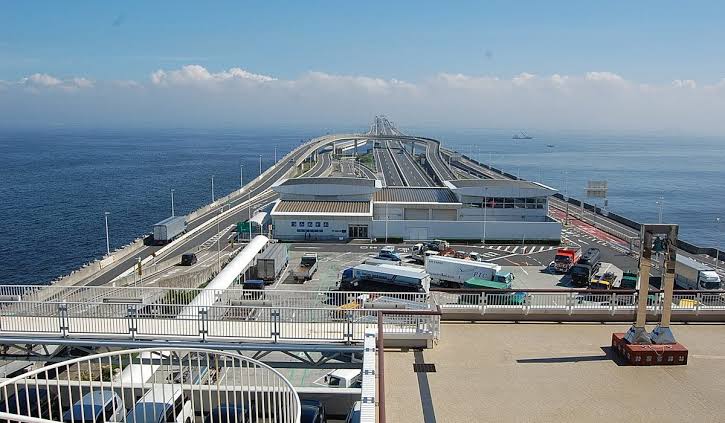
The Tokyo Bay Aqua-Line Bridge and Tunnel, one of Japan’s engineering marvels, links the city directly to Kanagawa Prefecture, placing it within easy reach of metropolitan Tokyo’s vast economy.
This connectivity means that Nigerians who settle in Kisarazu will not only enjoy the calm of a smaller city but also benefit from quick access to Japan’s capital markets and industries.
The city itself is no stranger to economic activity. Its shipyards, steel works, and factories have long made it an industrial player, while its retail landscape is anchored by the Mitsui Outlet Park, one of the country’s largest shopping complexes.
Meanwhile, beyond commerce, Kisarazu is also a cultural gem, with festivals, historic shrines, and traditional crafts shaping its identity.
For Nigerians, the combination of economic vibrancy and cultural depth presents fertile ground to establish livelihoods, businesses, and even cultural exchanges that can introduce Afrobeat, Nollywood and Nigerian cuisine to Japanese audiences.
What makes Kisarazu particularly intriguing is its balance.
It is modern yet not overwhelming, industrial yet welcoming, urban yet connected to nature through its bay views and coastal charm.
Unlike Tokyo or Osaka, where competition can be intense, Kisarazu offers room for new communities to grow and integrate.
Nigerians who make the city home will find themselves in a place where opportunities in industry, retail, and culture intersect.
It is a city where their presence can make a visible impact on both the local economy and Japan’s broader demographic future.
While Japan confronts the challenges of an ageing population and shrinking workforce, Nigeria continues to export its youthful dynamism and cultural influence.
Kisarazu may well stand as the bridge between both nations’ aspirations.
For Nigerians, it is not just a hometown abroad, it is a gateway into Japan’s future.