Nigeria’s Minister of Defence, General Christopher Musa (retd.), has defended his participation in the political activities of the All Progressives Congress (APC), insisting that his retirement from the military gives him the freedom to identify with the ruling party.
Musa made the clarification on Thursday, November 26, 2026, during an interview on Arise Television, where he addressed concerns over his appearances at APC campaign activities ahead of the 2027 general elections.
Asked how he reconciled his political affiliation with his responsibilities as Defence Minister, the former Chief of Defence Staff maintained that he was no longer a serving military officer.
“Well, I’m not a military man. I belong to APC, I’m allowed to do that,” he said.
Musa, however, insisted that his political affiliation would not prevent him from discharging his responsibilities impartially, particularly in protecting political parties and ensuring peaceful electoral activities.
He explained that his presence at political events was also informed by the need to assess security arrangements and ensure that security agencies performed their duties effectively.
According to him, the responsibility of providing security during political activities extends beyond the APC.
The Defence Minister stressed that security agencies must protect all political parties, regardless of their political affiliations.
He also assured Nigerians that the Ministry of Defence and the Armed Forces would work with relevant stakeholders to ensure peaceful, free, fair and credible elections in 2027.
Musa’s comments followed controversy surrounding the Ministry of Defence’s official social media account, which publicised his inspection of preparations for President Bola Tinubu’s APC presidential campaign rally in Ibadan, Oyo State.
The rally, held on Saturday, November 21, 2026, at Mapo Hall, was organised in support of Tinubu’s 2027 re-election bid.
The ministry had announced that Musa inspected the venue on Friday night, assessing security readiness, crowd management, logistics and other preparations ahead of the event.
However, the publication attracted criticism from Nigerians and opposition figures, who questioned the appropriateness of using an official government communication platform to publicise a partisan political activity.
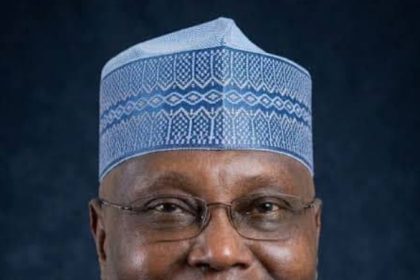
Former Vice-President Atiku Abubakar also criticised the ministry’s action, arguing that government institutions funded by taxpayers should not appear to promote the electoral interests of a particular political party.
Following the backlash, the Ministry of Defence deleted the controversial publication from its official X account. The ministry did not publicly provide an explanation for the deletion.
Electoral Act Raises Questions About Government Neutrality
The controversy has also drawn attention to Section 99(2) of Nigeria’s Electoral Act 2026, which provides that state apparatus, including the media, must not be used to advantage or disadvantage any political party or candidate during an election.
The provision reinforces the principle that government institutions and public resources should not be deployed to create an unfair electoral advantage for any political organisation.
Meanwhile, Section 95 of the same Act provides for adequate security at political rallies and processions, with the police taking the lead and other authorised security agencies providing support where necessary.
Although Musa has defended his personal political affiliation on the grounds of his military retirement, questions surrounding the use of official government platforms and the institutional neutrality of the Defence Ministry remain matters of public interest.
Musa was appointed Chief of Defence Staff by President Tinubu in 2023 and served until October 2025, when he retired from military service.
President Tinubu subsequently nominated him as Minister of Defence in December 2025, following the resignation of his predecessor, Mohammed Badaru Abubakar.
His latest comments come as political parties intensify preparations for the 2027 general elections, with growing public attention on the neutrality of government institutions, security agencies and the conduct of the electoral process.