In Maiduguri’s bustling streets and quiet neighborhoods, a growing number of women are reshaping the local economy—often with little more than determination and small-scale capital.
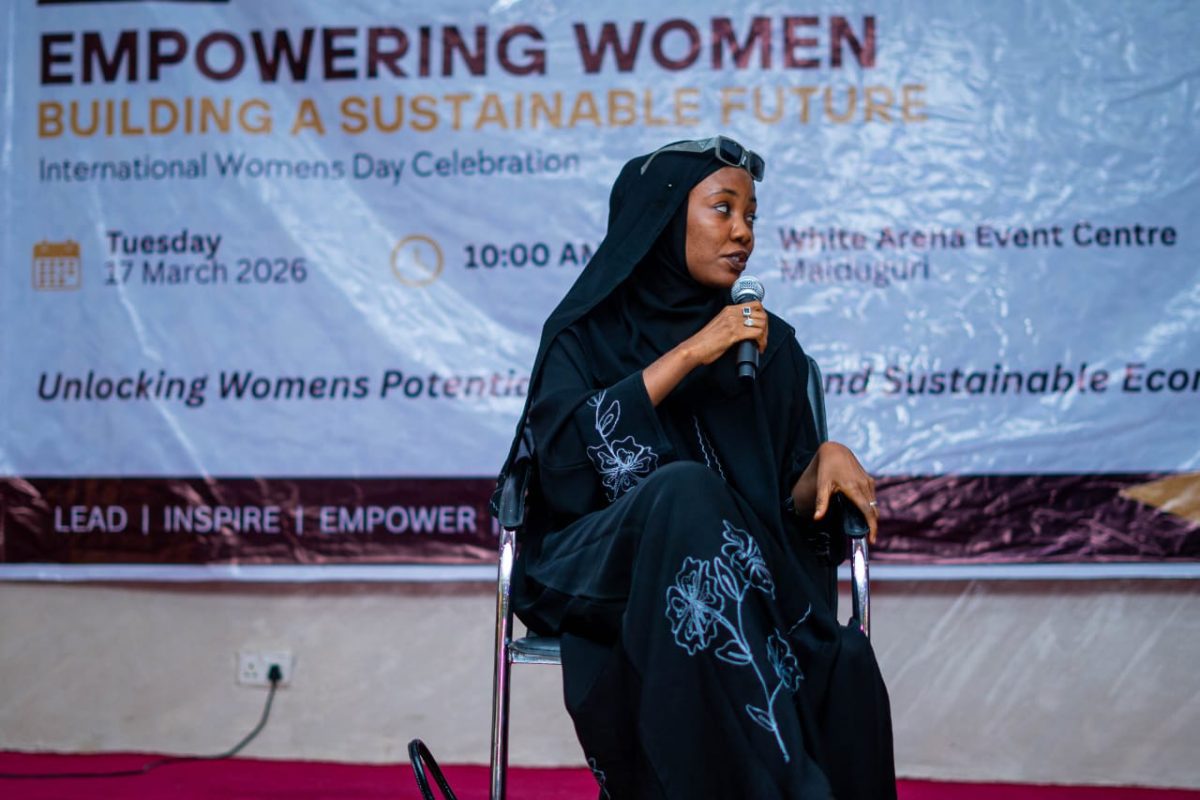
This reality came into focus at the Women in Business Summit 2026, where entrepreneurs and stakeholders gathered to highlight the role women are playing in driving economic activity in Borno State.
The summit, which took place on Tuesday in Maiduguri, was organized by CIATECH Africa, in collaboration with Rayyan Microfinance Bank.
This forms part of a collaborative effort between CIATECH and Rayyan, formalized through a Memorandum of Understanding (MoU) signed by the two parties in recent weeks.
CIATECH is a non-governmental organizations working on advocacy, learning and production towards harnessing and advancement of technology, entrepreneurship among other things.
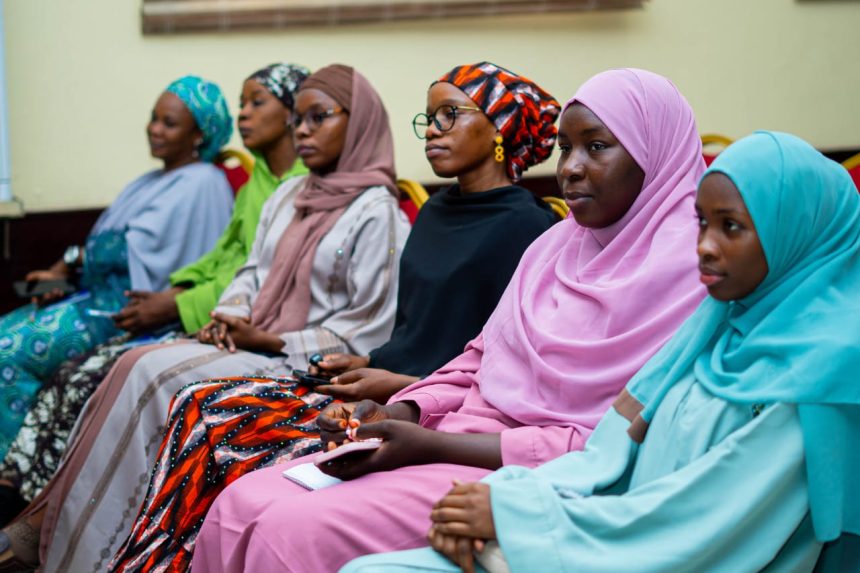
For many of the women present at the summit, entrepreneurship is not just a career choice—it is a necessity.
With limited formal employment opportunities, small businesses have become a vital source of income and stability.
From baking and fashion design to retail trading, women are carving out spaces for themselves in sectors that are often informal but essential to daily life.
“I started small, just to support my family,” one entrepreneur said, adding that “now, I’m thinking about how to grow and employ others.”
Yet, the path is not without challenges. Limited access to finance, lack of formal business registration, and restricted market opportunities continue to slow growth for many women-led enterprises.
At the summit, these issues were discussed openly, with a focus on practical solutions.
Similarly, participants explored ways to strengthen financial inclusion, improve business skills, and connect to broader markets.
Development actors and financial institutions present emphasized the need to move beyond one-off interventions toward more structured, long-term support systems.
One of the key outcomes of the event was the introduction of new initiatives aimed at addressing these gaps, including support for business formalisation and an entrepreneurship programme targeting 100 women.
For many attendees, these efforts represent a step toward sustainability—moving from survival-based businesses to more stable and scalable enterprises.
As Borno State continues to rebuild, the role of women in economic recovery is becoming increasingly evident.
Their businesses may start small, but their impact is far-reaching.In the face of constraints, these women are not waiting for change—they are creating it.