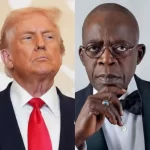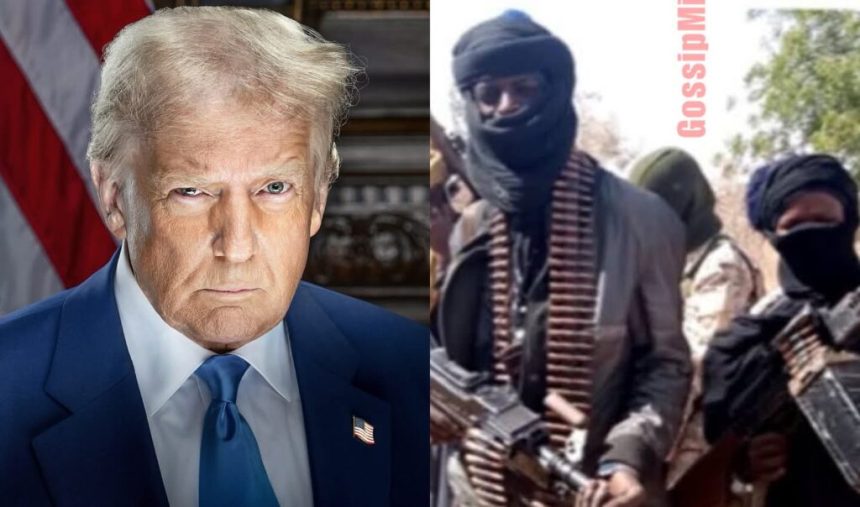
An Arewa social media activist has publicly criticised former United States President Donald Trump over alleged U.S. airstrikes targeting terrorist groups in Northern Nigeria, warning that such actions violate Nigeria’s sovereignty and risk civilian lives.
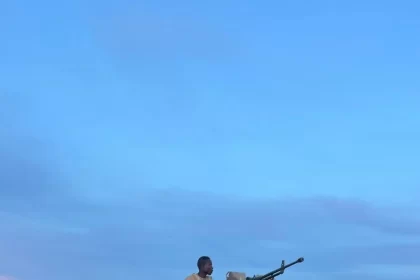
The commentator, who posts on X (formerly Twitter) under the handle @Arewa_Source, reacted strongly to reports that U.S. forces carried out aerial bombardments against suspected ISIS-linked and extremist elements in Sokoto State. In a series of posts, he accused the U.S. of acting unilaterally and demanded an official response from the Nigerian government.
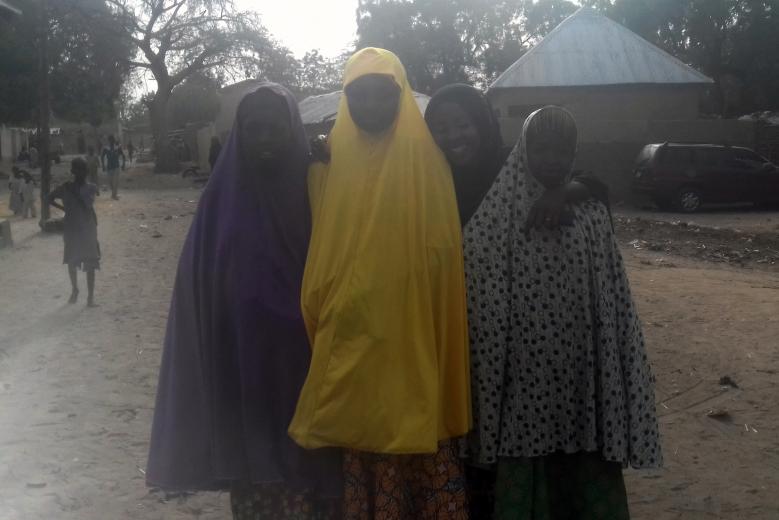
“Donald Trump must understand that Nigeria is a sovereign nation. You cannot just drop bombs in Nigeria when you feel like it,” the post read. He further warned that North-West Nigeria is densely populated, making the likelihood of civilian casualties significant, and insisted that the federal authorities must address the situation decisively.
The commentator also expressed outrage at Nigerians who appeared to support the reported action, questioning their sense of patriotism and national dignity. “How can you support someone blowing up your country anytime he feels like?” he asked, describing such reactions as “unbelievable.”
9news Nigeria reports that the alleged airstrikes occurred on Christmas Day and targeted terrorist hideouts in Sokoto State, located in Nigeria’s North-West geopolitical zone and bordering the Republic of Niger. Sokoto is historically known as the “Seat of the Caliphate” and remains a sensitive region due to ongoing security challenges.
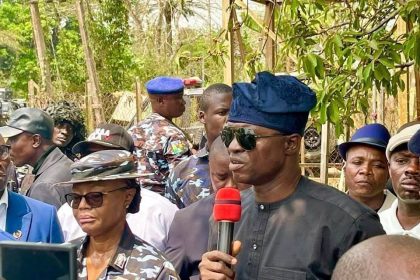
The incident has sparked widespread reactions across social and political circles. While Nigerian authorities have indicated that the operation was conducted in collaboration with the United States, statements attributed to Donald Trump on his Truth Social platform suggest a more unilateral U.S. posture, following weeks of threats to take military action. Trump had repeatedly cited the killing of Christians and other civilians by extremist jihadist groups in Northern Nigeria as justification for possible intervention.
As of the time of filing this report, there has been no detailed public briefing clarifying the extent of U.S.–Nigeria coordination, the exact targets struck, or whether civilian casualties were recorded. The development has nonetheless reignited debate over foreign military involvement, national sovereignty, and the Nigerian government’s handling of the country’s protracted security crisis.