In Maiduguri, the capital of Borno State, a different kind of story is unfolding—one not defined by crisis, but by resilience, ambition, and a quiet economic shift led by women.
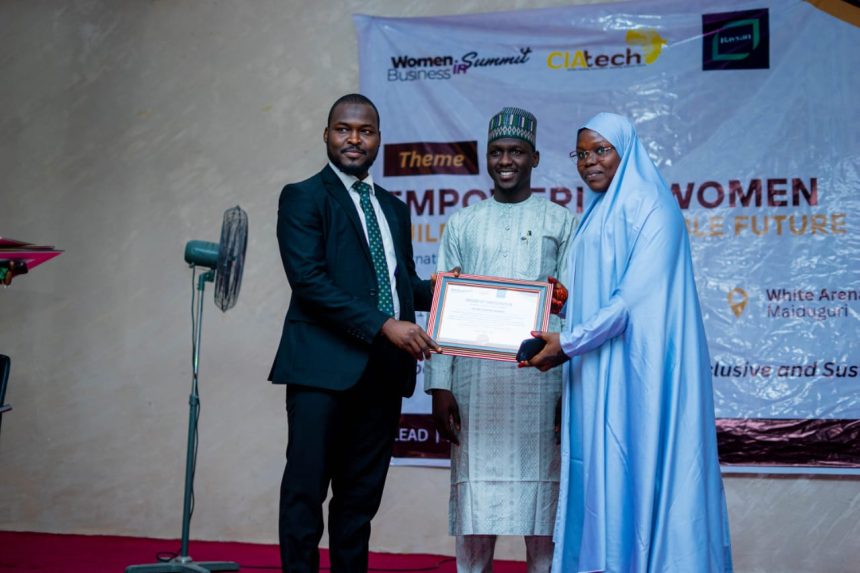
On Tuesday, stakeholders gathered for the Women in Business Summit 2026, convened by CIATECH Africa in collaboration with Rayyan Microfinance Bank, to explore how women can play a more central role in shaping a sustainable future for the region.
The summit brought together entrepreneurs, development practitioners, financial institutions, and government representatives.
But beyond the formal setting, it was the lived experiences of women that shaped the tone of the conversations.
Across the room were women running small businesses—bakers, traders, fashion entrepreneurs—many of whom have built their livelihoods from scratch in a challenging environment.
Their stories reflected both the barriers they face and the determination driving them forward.
“We don’t just need opportunities—we need access,” one participant said during an interactive session, echoing a recurring theme throughout the event.
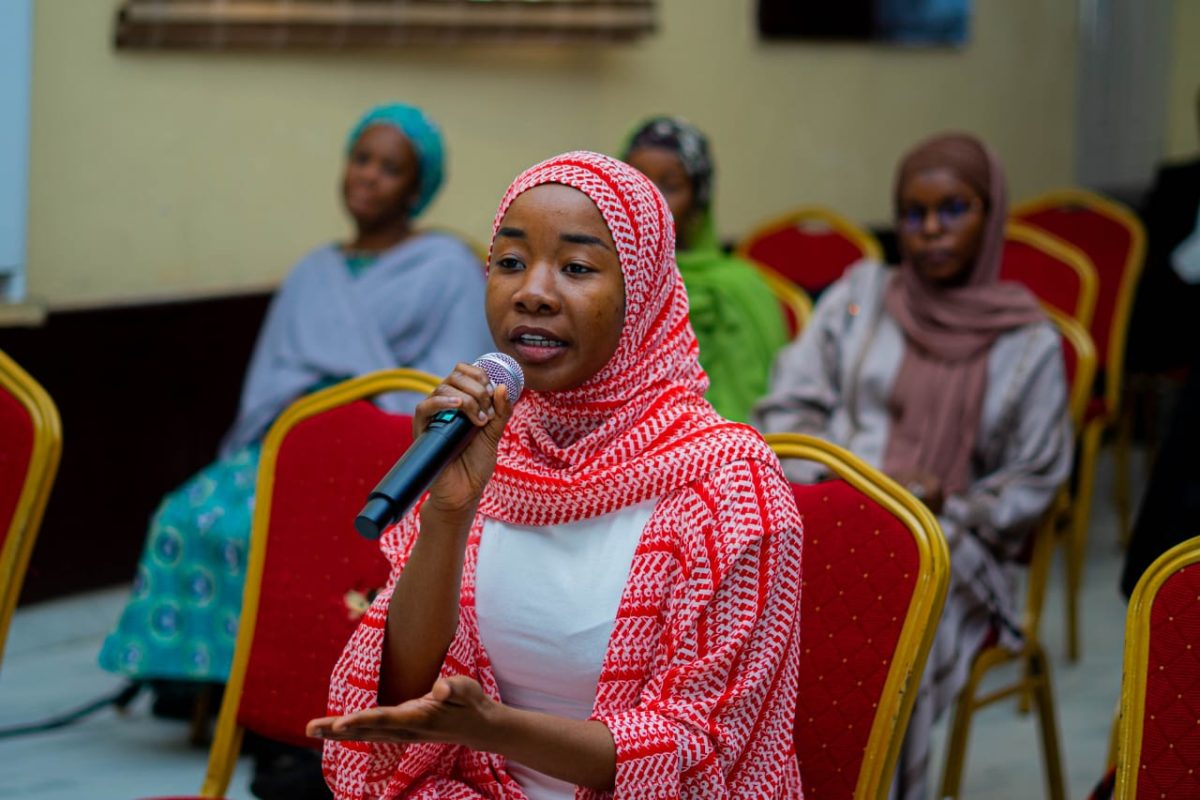
Discussions focused on practical solutions: improving access to finance, expanding digital skills, and creating stronger linkages between women entrepreneurs and markets.
For many attendees, these are not abstract ideas, but daily realities that determine whether their businesses survive or grow.
A panel session featuring voices from development organizations, women-led institutions, and local businesses highlighted the importance of collaboration.
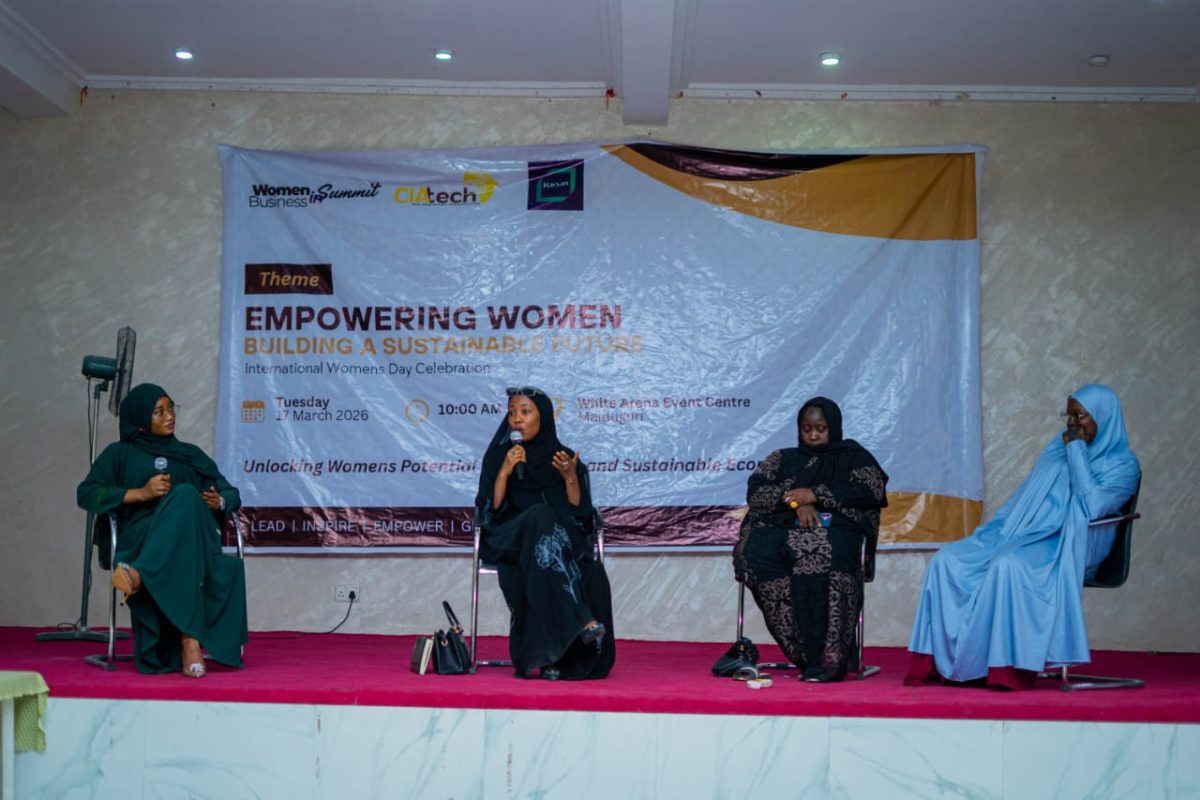
Speakers emphasized that empowering women economically requires more than training—it demands coordinated support from government, private sector, and development actors.
For participants, initiatives like this represent more than opportunity—they signal recognition.
“Sometimes, what women need most is to be seen and supported,” another attendee noted.
In a region rebuilding its economy, the role of women is becoming increasingly visible. From informal markets to emerging enterprises, women are not only contributing to household incomes but are also shaping local economies.
Experts at the summit stressed that sustainable development in fragile contexts depends heavily on inclusion—particularly the inclusion of women in economic decision-making and access to resources.
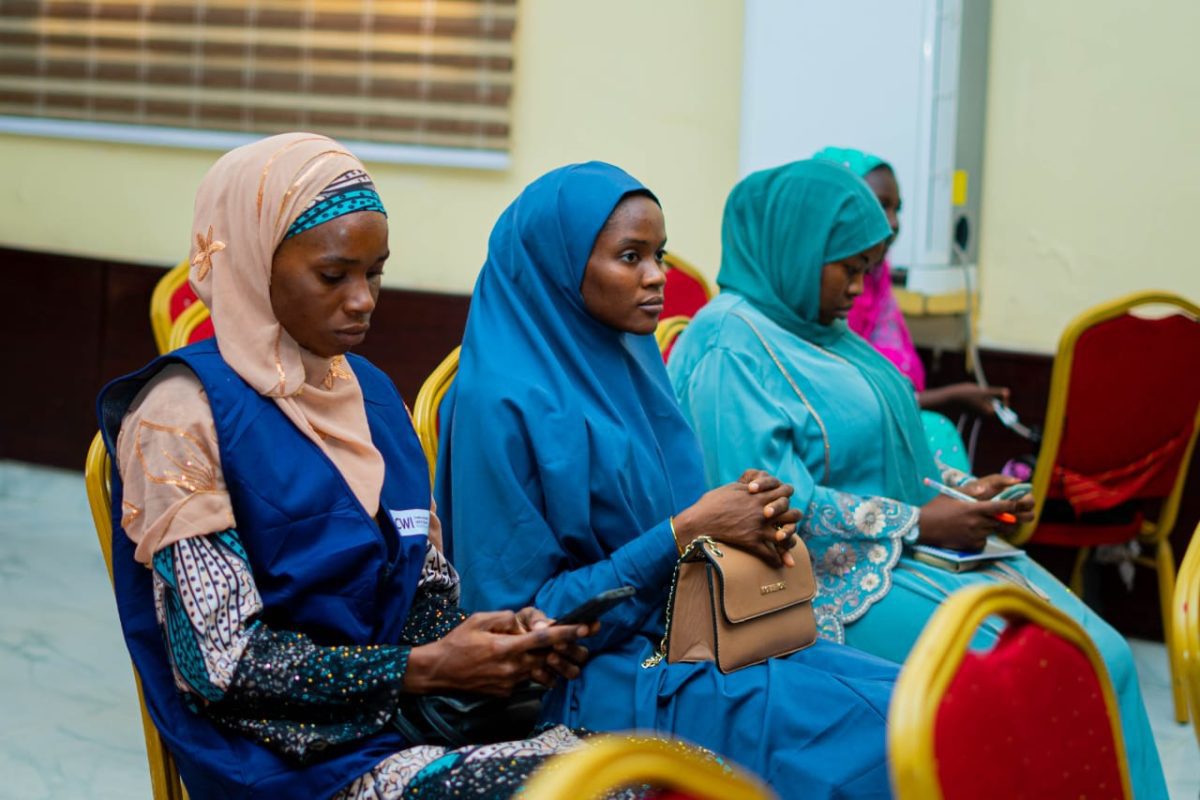
Another 100 women entrepreneurs to get support
The summit also marked a shift from dialogue to action. The organisers announced the launch of an Entrepreneurship Support Programme that will target 100 women across Borno State, offering business development support, mentorship, and pathways to formalisation.
As the event concluded, one message stood out clearly: the future of Borno’s economy is closely tied to how well it supports its women.
And in Maiduguri, that future is already taking shape—one business, one idea, and one determined woman at a time.