Ten years ago, Nigeria’s civic environment was more open to public dissent.
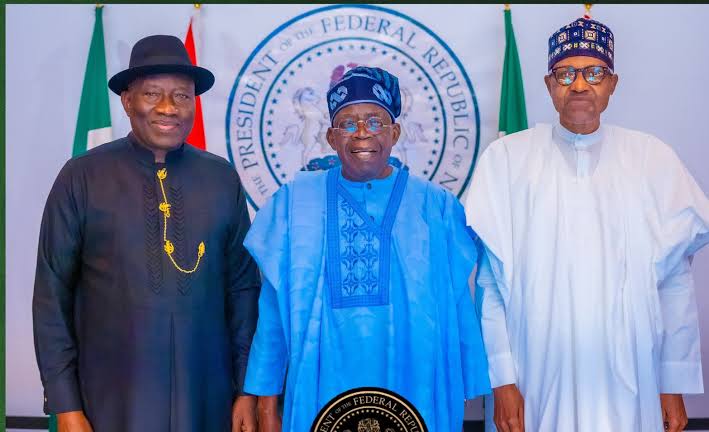
During the administration of former President Goodluck Jonathan (2010–2015), social media platforms became arenas for criticism of government figures, with little direct intervention from security agencies.
Political leaders, including the presidency, were frequent subjects of public mockery and opposition voices expressed their views with limited restriction.
The period also witnessed one of the country’s largest protest movements in recent history.
In January 2012, the government’s decision to remove fuel subsidies triggered nationwide demonstrations, known as “Occupy Nigeria.”
For nearly two weeks, major cities were brought to a standstill as crowds gathered in places such as Ojota Park in Lagos and Unity Fountain in Abuja.
Opposition politicians openly supported the protests, framing them as an expression of democratic rights.
In the years since, Nigeria’s civic space has narrowed considerably.
Beginning under President Muhammadu Buhari (2015–2023), public spaces once used for demonstrations came under stricter police control.
The Unity Fountain in Abuja, previously a focal point for groups like the Bring Back Our Girls movement, became heavily restricted.
Protest organizers increasingly faced requirements to notify or seek approval from security agencies, giving the police greater discretion over whether gatherings could proceed.
This trend has continued under President Bola Tinubu.
While protests such as the #EndSARS movement in 2020 and labour union strikes have taken place, they have often met strong resistance from security forces, including dispersals, arrests and counter-protests.
Sources also report that Nigeria’s institutions including the National Assembly and the judiciary, now operate with less independence than in previous years, reducing the scope for institutional checks on the executive.
Nigeria continues to hold regular elections, and its democratic structures remain intact.
However, rights groups and analysts caution that the country is experiencing a period of “democratic backsliding,” where formal democratic processes persist but civic freedoms are increasingly limited.