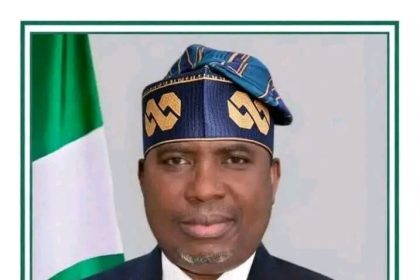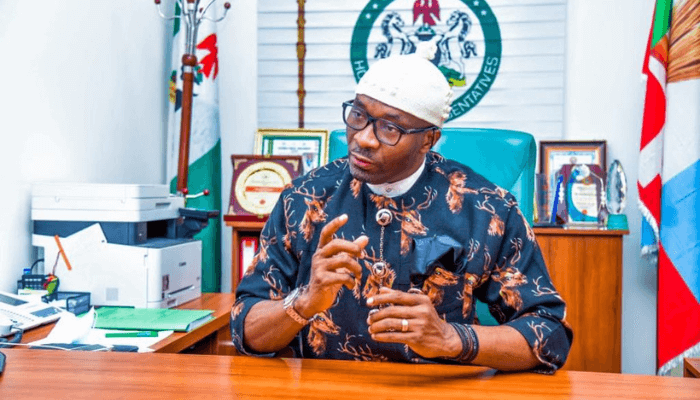
The age-old debate over whether Lagos is a “no man’s land” has resurfaced, following comments made by Special Adviser to President Bola Tinubu on Policy Communication, Daniel Bwala.
In a statement Today on Arise TV’s Daybreak programme, Bwala described Lagos State as a “no-man’s land”.
According to Bwala, the remark is an acknowledgment of Lagos’s cosmopolitan reality.
He highlighted how business titans from across Nigeria, including the richest man in Africa, a Northerner operate in Lagos.
However, historians and cultural custodians affirm that Lagos is firmly rooted in Yoruba heritage.
The Awori people, a Yoruba subgroup, are widely recognized as the earliest settlers, with the Benin Empire later exerting influence through the installation of the first Oba of Lagos.
Despite these influences, Lagos developed within Yoruba cultural traditions.
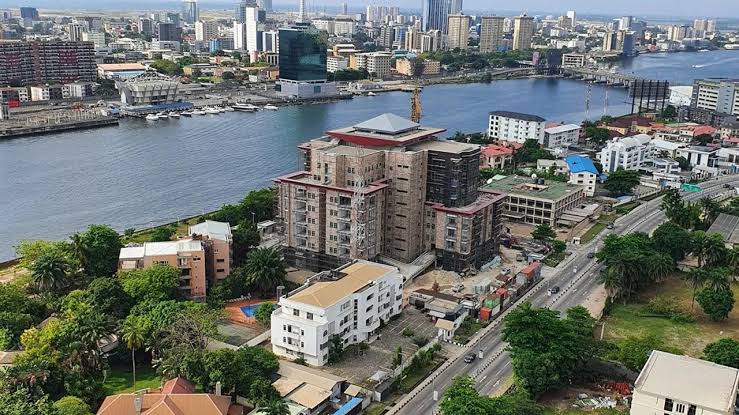
The controversy arises from Lagos’ unique character as Nigeria’s most cosmopolitan city.
From the colonial era, when it became the British administrative seat in 1861, Lagos has attracted migrants from across Nigeria and beyond.
Today, it stands as the country’s economic powerhouse, home to thriving Igbo, Hausa, and other ethnic communities.
Supporters of the “no man’s land” narrative argue that Lagos belongs to everyone, citing the collective role of diverse groups in building its commerce, politics, and culture.
The critics, reject the claim, describing it as an erasure of indigenous Yoruba identity.
Bwala later emphasized that, “Culturally, historically, and constitutionally, Lagos belongs to the Yoruba people, and that has never been in contention.”
Most importantly, beyond politics, the reality is that Lagos thrives as a shared space; a city where indigenous ownership coexists with multiethnic participation in its development.