A development-oriented, non-governmental and non-profit organisation, Onugotu Obowu Foundation (OOF), has recounted its achievements in Obowo Local Government Area of Imo State over the past eight years.
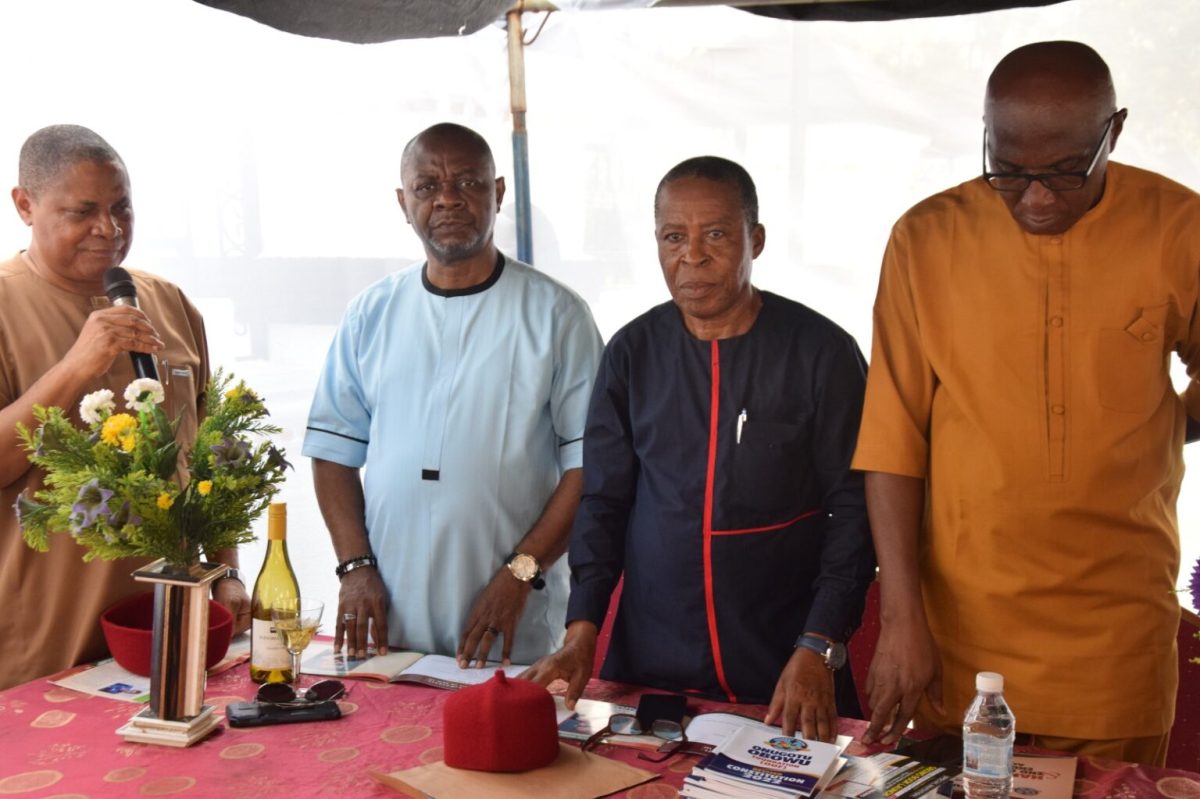
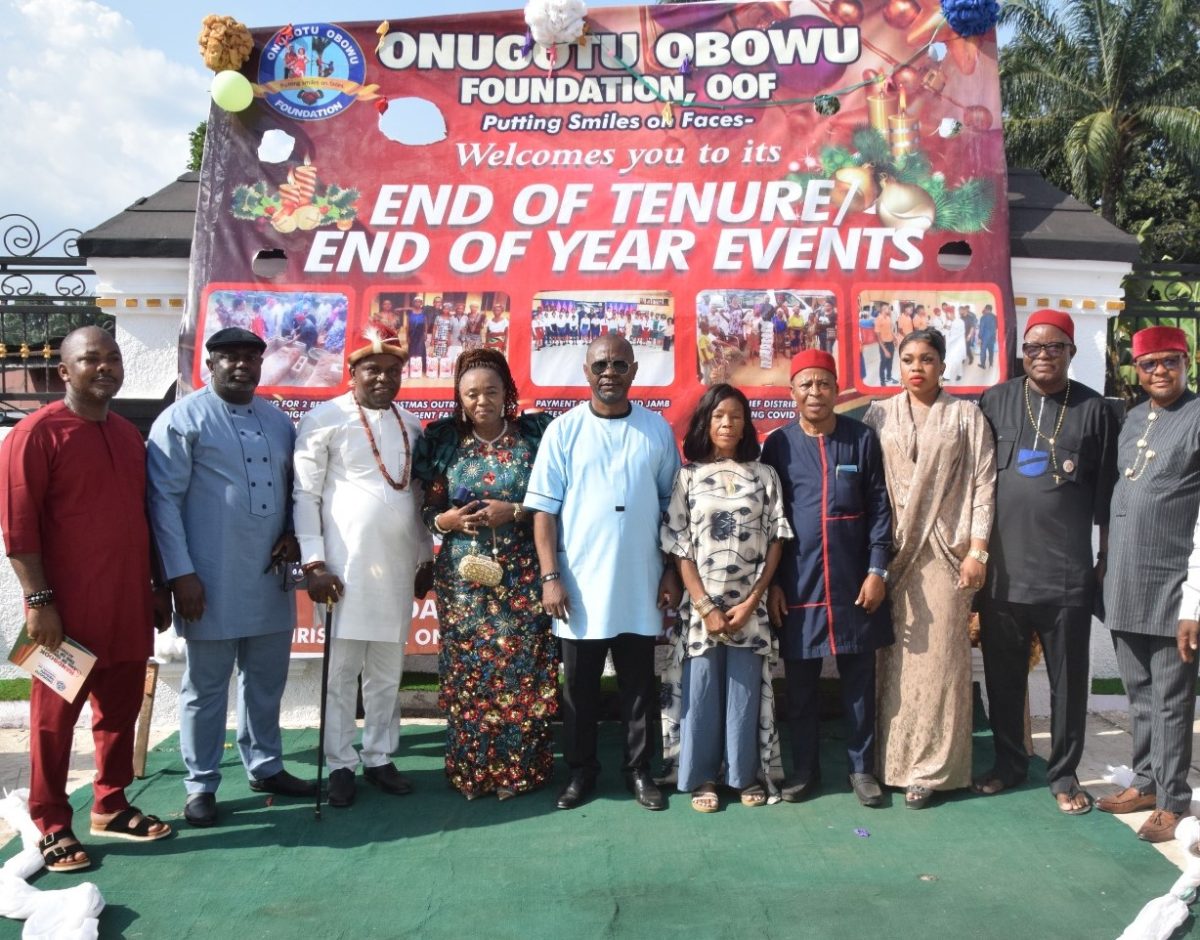
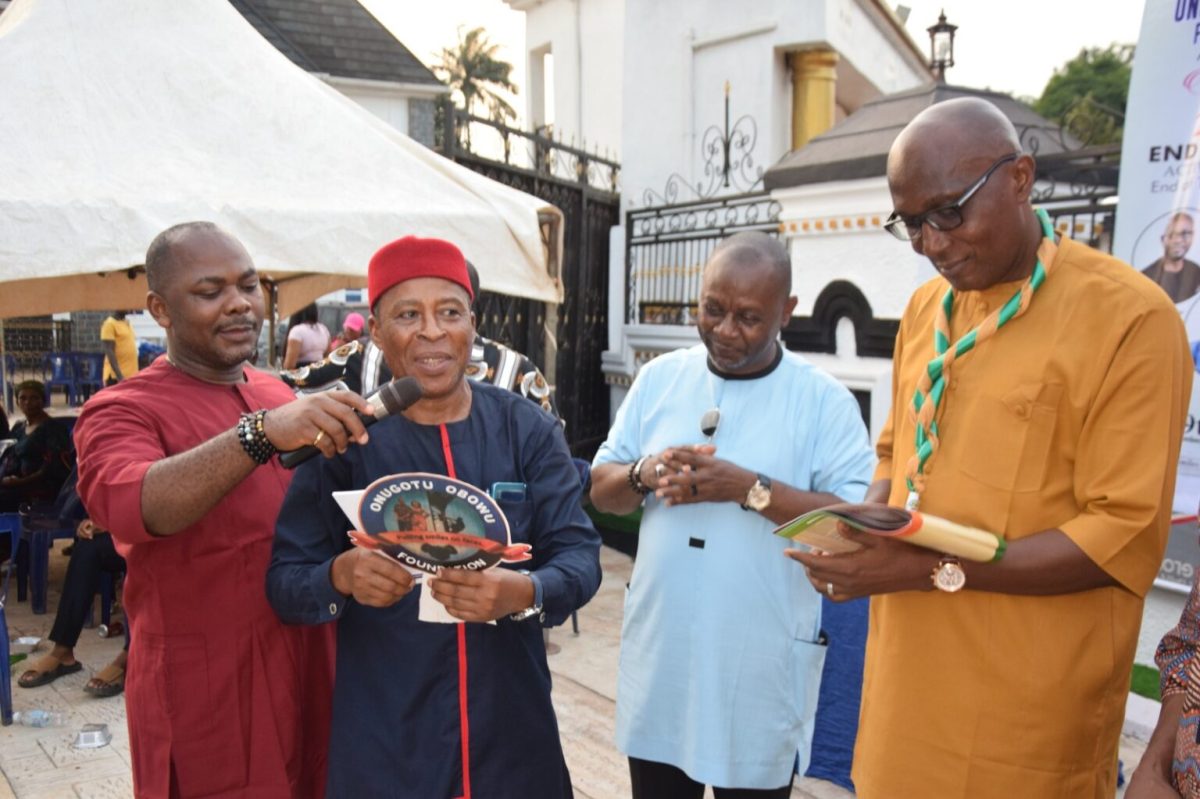
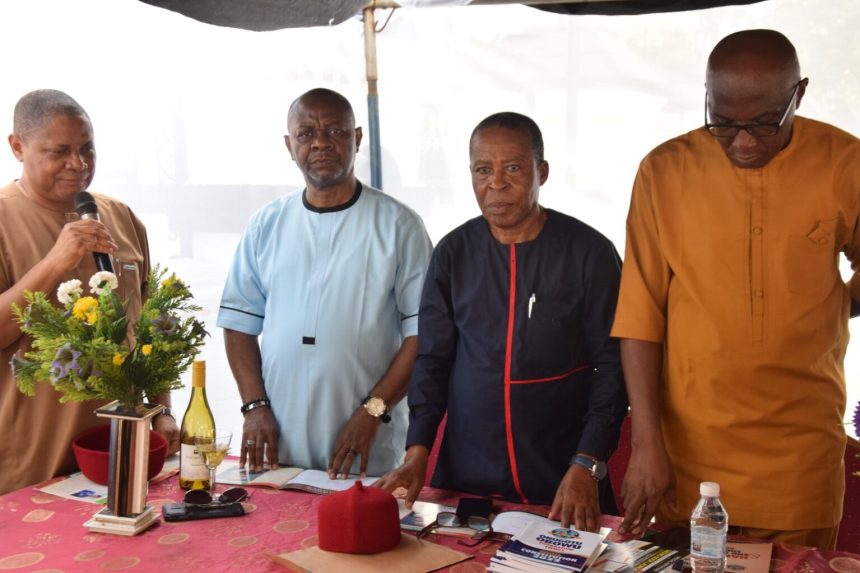
The Foundation took stock of its interventions on December 29, 2025, during its annual gathering popularly known as OOF Day, a date set aside yearly for its Annual General Meeting (AGM).
OOF was founded by Rt. Hon. Ike C. Ibe, a former Speaker of the Imo State House of Assembly in 2017, with a focus on indigenous development and community self-help, anchored on the belief that government alone cannot meet all developmental needs.
The Foundation’s approach centres on mobilising progressive Obowo indigenes to drive sustainable grassroots development.
Speaking at the event, Rt. Hon. Ibe, who is also Chairman of the Board of Trustees (BoT), described the occasion as both a moment of reflection and transition.
He commended the outgoing Management Council (MC) for what he termed “eight years of dedication, foresight and exemplary service,” noting that their leadership significantly deepened the Foundation’s impact and upheld its core developmental values.
Charging the incoming Management Council, Ibe expressed confidence that their “fresh ideas, energy and passion for service” would propel the Foundation to greater heights.
In his stewardship address, the outgoing MC President, Dr. Godfrey Nneji, an educationist, highlighted several projects executed under his leadership.
He recalled the Foundation’s leadership training programmes and essay competitions organised for head boys and girls of secondary schools in Obowo between 2018 and 2019.
He also spoke on the Mathematics Tournament initiated by the Foundation, which began with post-primary schools in Obowo and later expanded to include schools from neighbouring local government areas and a school in Aba, Abia State.
The competition, sponsored since 2020 by Professor Zephyrinus Okonkwo and his wife, continues to date, with winners of the 2025 edition present to receive their prizes.
Going beyond education, Dr. Nneji disclosed that over 100 beneficiaries have been trained under the Foundation’s skill acquisition programme, with some receiving start-up kits despite funding constraints.
He added that several small-scale entrepreneurs also benefited from the Onugotu Multi-Purpose Cooperative Society, which provides soft loans at minimal interest.
Other interventions include medical outreaches, free health screenings and financial support for medical bills running into millions of naira.
The Foundation also constructed a two-bedroom bungalow for a displaced family, a project sponsored by Prince (Dr.) Chima Anyanwu, a member of the Foundation.
Dr. Nneji further revealed that his administration initiated efforts toward establishing a tertiary institution in Obowo, having secured a suitable location with some facilities already in place.
According to him, the site has been inspected and approved by the relevant state government agency, urging the incoming leadership to sustain the vision.
Commenting on the Foundation’s milestones, the host of the 2025 end-of-year events, Emeka Onwuvuariri, applauded the organisation’s contributions to rural development.
He noted that many Nigerians, especially those of Obowo extraction, are eager to support community development but seek credible platforms that guarantee impact.
He therefore called on well-meaning Obowo indigenes to align with the ideals of OOF in pursuit of “aku ruo ulo”, wealth that positively impacts its source.
Another BoT member, Sir Chika Okafor, also lauded the outgoing Management Council, describing service to one’s community as a lasting legacy.
A major highlight of the event was the change in leadership, following a peaceful election conducted in October 2025, which produced Dr. Austin Anyanwu, the former Treasurer of the Foundation, as the new Management Council President.
In his acceptance speech, Dr. Anyanwu pledged purposeful leadership, stating:
“Leadership is not about position, but about purpose. It is about using the privilege of office to create impact, uplift lives and inspire hope.”
He unveiled six pillars to guide his administration: education and human capital development; skill acquisition and empowerment; agricultural development and food security; health and medical outreaches; security and community development; and business and economic development.
He described them as a practical roadmap for a more united and prosperous Obowo, while calling on members to work collectively toward achieving the Foundation’s goals.