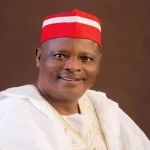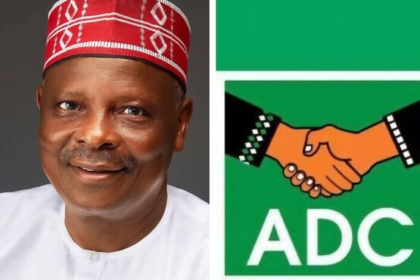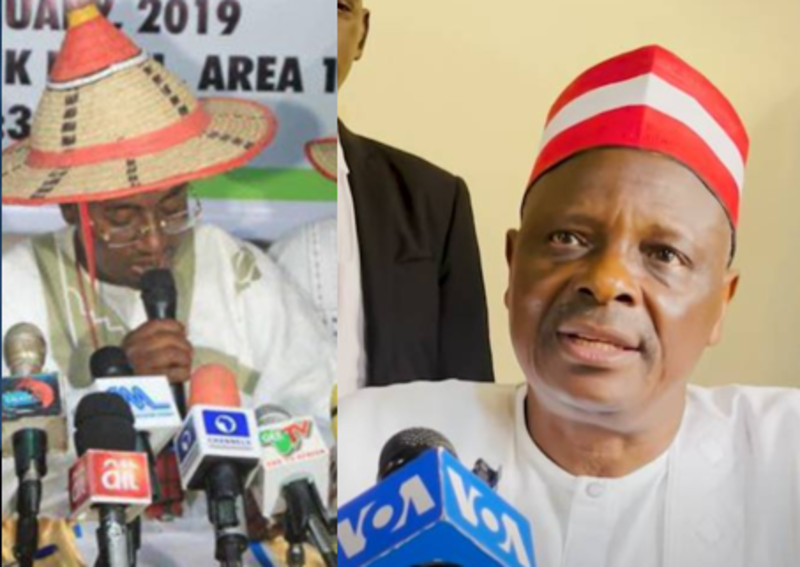
Tension is rising in Nigeria following moves by United States lawmakers to impose sanctions on former presidential candidate Senator Rabiu Musa Kwankwaso, Miyetti Allah groups, and other Fulani entities over alleged religious freedom violations.
The development comes amid increased U.S. pressure on Nigeria over worsening insecurity in the North, where insurgent attacks by extremist groups, including Boko Haram, ISWAP factions, and armed bandits, have led to the deaths of hundreds of civilians, many of them Christians.
The U.S. has intensified investigations into what it describes as religious persecution, with President Donald Trump’s administration recently redesignating Nigeria as a “Country of Particular Concern” (CPC) over religious freedom issues. Washington has also taken security steps, including the deployment of about 200 U.S. troops to Nigeria to support counterterrorism training and operations.
The Sanctions Bill
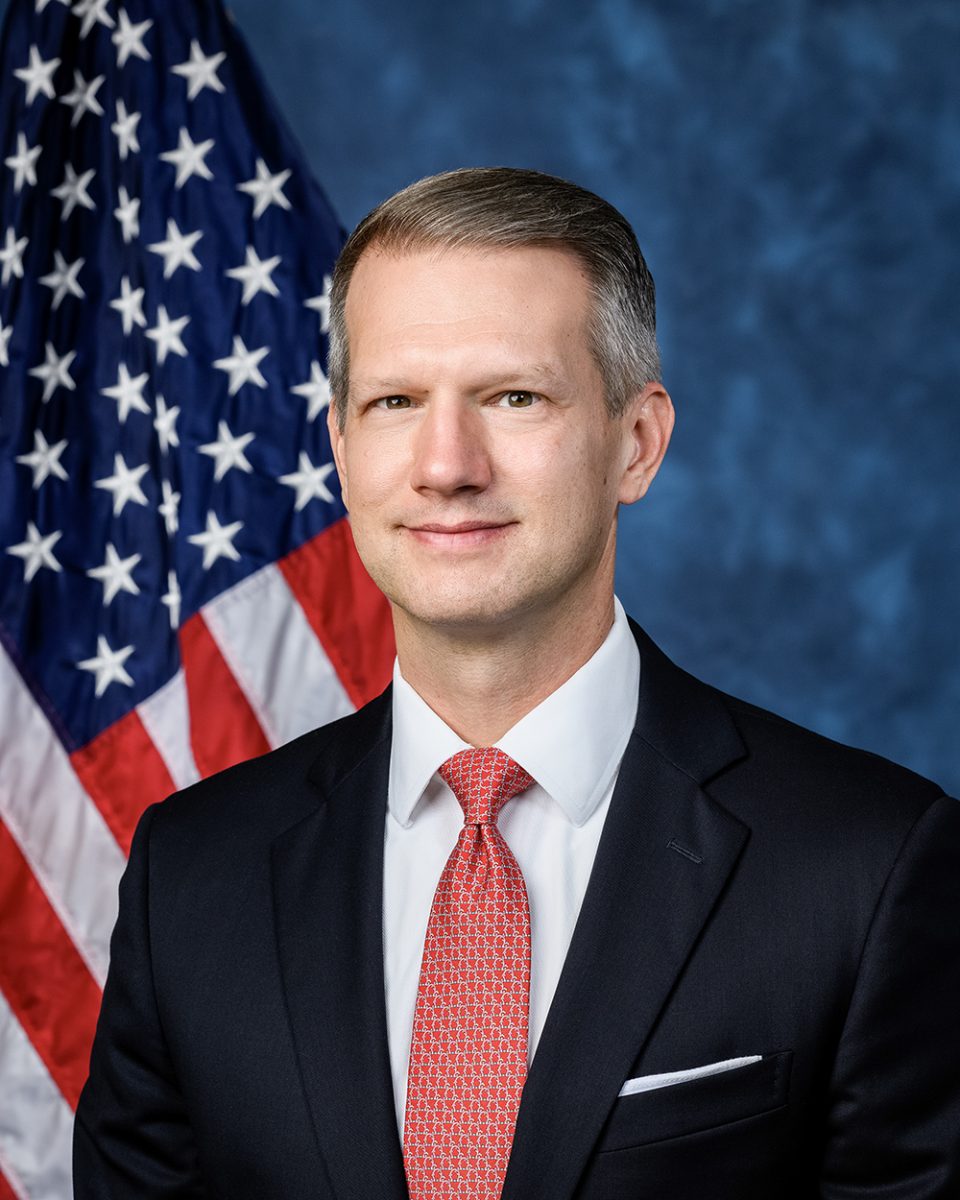
On February 10, 2026, U.S. Representatives Riley Moore (R-WV) and Chris Smith (R-NJ), Chairman of the House Foreign Affairs Subcommittee on Africa, introduced the Nigeria Religious Freedom and Accountability Act of 2026 (HR 7457).
The bill mandates the U.S. Secretary of State to submit a comprehensive annual report to Congress detailing American efforts to address religious persecution and mass atrocities in Nigeria.
Co-sponsors include senior members of the House Foreign Affairs and Appropriations Committees, among them Tom Cole, Brian Mast, Mario Diaz-Balart, and Bill Huizenga.
The proposed legislation recommends visa bans and asset freezes under the Global Magnitsky Human Rights Accountability Act against individuals and entities accused of involvement in religious freedom abuses. Among those reportedly listed for consideration are:
- Senator Rabiu Musa Kwankwaso
- Miyetti Allah Cattle Breeders Association of Nigeria
- Miyetti Allah Kautal Hore
- Groups described in the bill as “Fulani ethnic nomad militias”
The lawmakers are also weighing the option of designating certain Fulani militias as Foreign Terrorist Organizations.
Lawmakers State Their Position
Rep. Moore said the bill builds upon President Trump’s redesignation of Nigeria as a CPC and recent U.S.-Nigeria security cooperation.
“For years, Christians in Nigeria have faced unspeakable violence—churches burned, villages destroyed, families slaughtered—while the global community looked away,” Moore said, noting that he visited Nigeria as part of an investigation into the crisis.
Rep. Smith argued that the U.S. must ensure Nigeria takes concrete steps to address what he described as systemic violence against Christians and non-radical Muslims by extremist groups.
House Foreign Affairs Committee Chairman Brian Mast stated that the “free world cannot stand by” amid mass killings and kidnappings, while Appropriations Chairman Tom Cole described defending religious liberty as both a moral duty and a strategic interest.
What the Bill Seeks to Do
If passed, the Act would require the U.S. State Department to report on:
- Nigeria’s compliance with the International Religious Freedom Act
- Efforts to prevent persecution and prosecute offenders
- Enforcement or repeal of blasphemy laws
- Conditions of internally displaced persons (IDPs)
- U.S. security assistance to Nigeria and whether it risks enabling abuses
- Individuals and entities sanctioned or under consideration for sanctions
- Additional actions needed to halt religious violence
The bill also examines whether U.S. assistance programmes adequately protect vulnerable communities and whether Nigeria is taking steps to dismantle extremist networks.
APC, NNPP Reject Sanctions Recommendation
In Nigeria, political parties have pushed back against the proposed sanctions.
The All Progressives Congress (APC) and the New Nigeria Peoples Party (NNPP) rejected the recommendations targeting Kwankwaso and Miyetti Allah groups.
Speaking with journalists, APC Director of Publicity Bala Ibrahim cautioned the U.S. against acting on allegations without due process.
“America is the beacon of democracy and freedom. Whatever the allegation against former Kano State Governor Rabiu Musa Kwankwaso and others is, it remains an allegation until it is proven,” Ibrahim said.
Party officials argued that imposing sanctions without judicial findings could undermine diplomatic relations.
Nigerians React
The proposed bill has generated mixed reactions among Nigerians.
Some welcomed the move, arguing that the international community must address persistent attacks on Christian communities.
Others criticised what they described as a selective religious focus.
Alex Kabari faulted the U.S. approach, saying Nigeria’s broader governance issues should be addressed instead.
A. A. Gada argued that religious freedom protections must cover all Nigerians, noting that Muslim communities have also suffered attacks.
Amaka Ike said the bill would only be meaningful if it leads to “concrete action, inclusive protection, and lasting security.”
Hannah Samuel described the legislation as a sign that the issue is finally receiving policy-level attention but stressed that its real impact would depend on implementation.
US Military Deployment and Broader Implications
The legislative push coincides with reports that the United States deployed approximately 200 troops to Nigeria to enhance counterterrorism training and operational support.
The troops are expected to assist in combating terrorism, banditry, and kidnapping amid rising violence in several northern states. However, the military presence has also sparked debate among Nigerians, with some questioning Washington’s broader strategic interests.
International relations expert Khalid Iliyasu Dauda described the bill as consistent with Washington’s strategy of using targeted sanctions to influence political behaviour without direct confrontation.
“The proposed legislation mirrors a well-established U.S. strategy of using targeted sanctions to influence elite behaviour and signal concern over religious violence,” he said.
As the Nigeria Religious Freedom and Accountability Act of 2026 moves through the U.S. Congress, its diplomatic and political implications are already reverberating in Abuja and Washington. Whether it results in actual sanctions or broader policy shifts remains to be seen, but the debate over religious freedom, sovereignty, and international pressure has clearly intensified.
Report compiled and edited by Obinna Ejianya (9News Nigeria – Melbourne, Australia)