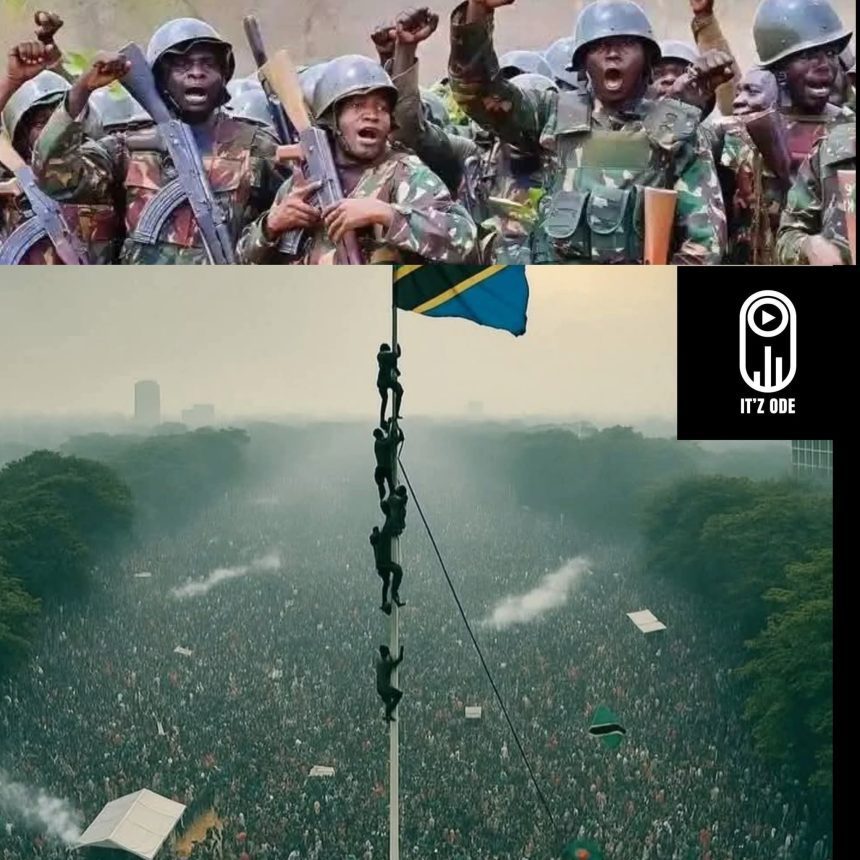
Tanzania is currently engulfed in a deep political and social crisis that has shaken the nation to its core. What began as protests following the controversial October 29 general elections has rapidly evolved into widespread unrest and a direct challenge to state authority. From Dar es Salaam to Mwanza and Arusha, thousands of angry citizens have flooded the streets, accusing the government of rigging the election in favor of the ruling party, CCM, and silencing the true will of the people.
The electoral commission declared President Samia Suluhu Hassan the winner with an astounding 97 percent of the votes, a result that opposition leaders and civil society immediately dismissed as a sham. The announcement ignited waves of demonstrations across major cities, with protesters demanding her resignation and calling for a new election under international supervision. Security forces responded with force, leading to deadly clashes that have left many dead and injured. Human rights groups report at least ten confirmed deaths, though opposition sources insist the number is far higher.
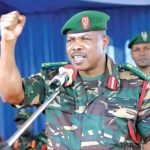
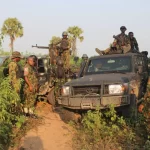
In a desperate attempt to regain control, the government shut down the internet, imposed curfews, and deployed the military alongside the police. Witnesses describe streets filled with soldiers, checkpoints at every corner, and mass arrests of activists, journalists, and political figures. Amid this chaos, reports began circulating that some sections of the military were showing sympathy toward protesters, warning police units to stop shooting unarmed civilians. While there is no verified evidence that the armed forces have officially turned against the government, the mere perception of division within the ranks signals a nation on the edge.
Adding to the uncertainty is the disappearance of President Samia Suluhu Hassan from public view. Her absence has fueled speculation about her safety and control of the situation, with rumors that she may have retreated to a secure location. Many of her once-loyal supporters, including top celebrities like Diamond Platnumz, have reportedly fled to neighboring countries, fearing public anger and potential retribution.
With the government visibly weakened and the streets still filled with determined protesters, opposition leaders have called for mass marches toward the presidential palace. Their demands are clear: the annulment of the election results, the release of political detainees, and justice for those killed during the protests. For many Tanzanians, this is no longer just about an election; it is a fight for the nation’s democratic soul and a rejection of corruption, manipulation, and impunity.
For Nigeria and its Independent National Electoral Commission (INEC), Tanzania’s unfolding crisis offers a powerful and urgent lesson. When elections lack transparency, when results appear predetermined, and when the people’s voice is silenced, the outcome is always instability. A rigged democracy is merely a time bomb waiting to explode. Tanzania’s situation shows that even the calmest nations can descend into chaos when the electorate loses faith in the system meant to protect their will.
Nigeria must understand that credible elections are the foundation of peace, not an inconvenience to those in power. The manipulation of electoral processes, voter suppression, or partisan interference by security agencies may win temporary victories for politicians, but it breeds long-term distrust and resentment that can one day erupt uncontrollably. INEC must therefore learn to prioritize credibility over convenience, integrity over influence, and the people’s choice over political pressure.
Tanzania stands today as a mirror reflecting what could happen when electoral bodies fail in their duty to uphold democracy. Nigeria has walked that path before, but it must not walk it again. As Tanzanians fight to reclaim their freedom, Nigeria must take heed. A stolen mandate anywhere on the continent is a threat to democracy everywhere. The lesson is clear: when leaders silence the people, the streets eventually find their voice.
Abasiubong Tom reports