By Obinna Sunday Ejianya, JP
(9News Nigeria – Melbourne, Australia)
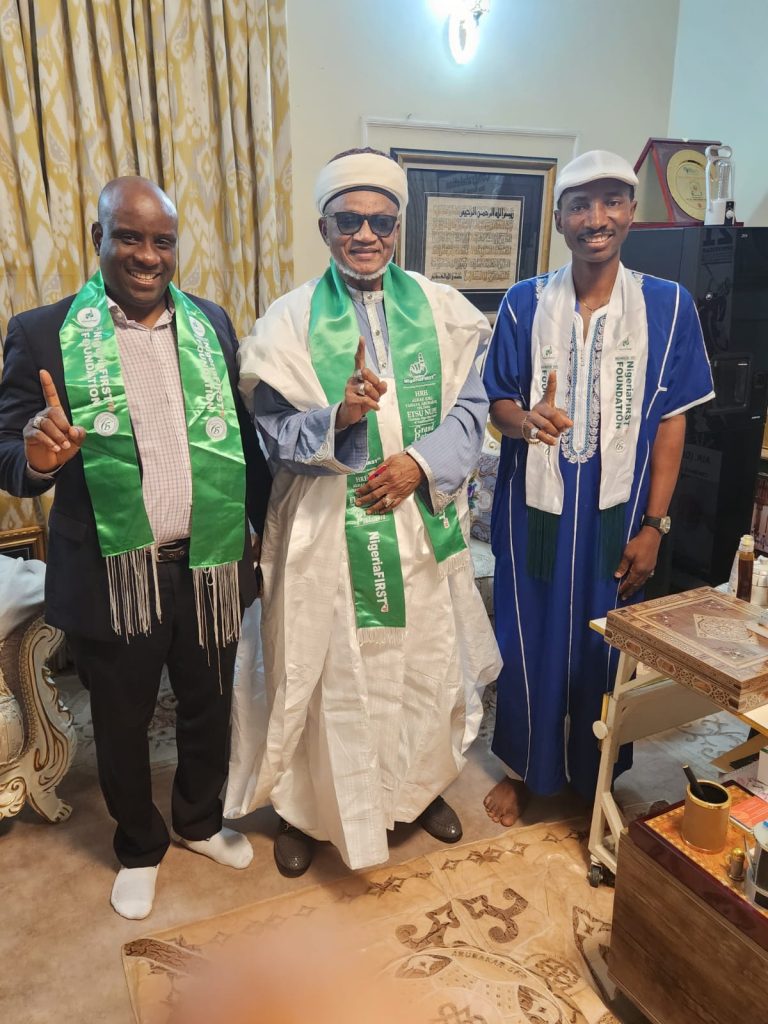
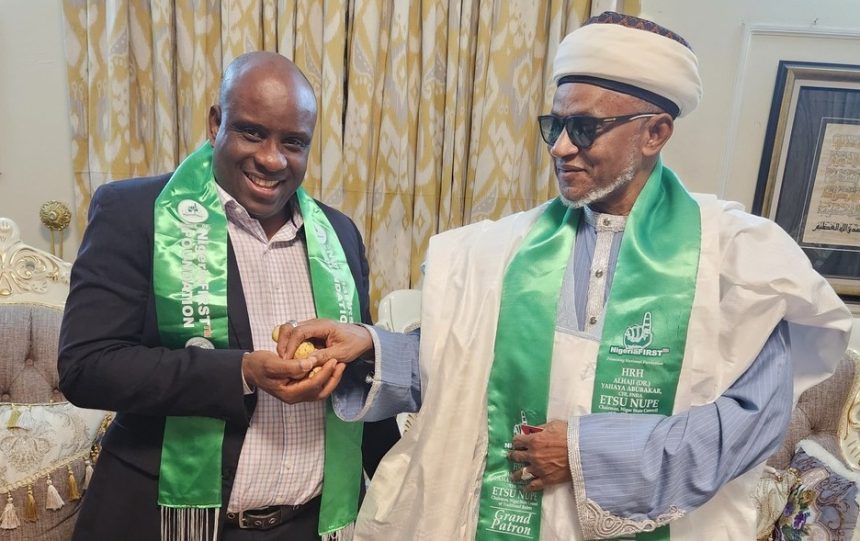
During my recent courtesy visit to the Abuja palace of His Royal Highness, Alhaji Yahaya Abubakar, CFR, the Etsu Nupe, I was deeply honoured by a remarkable display of royal hospitality. At the height of the royal reception, His Majesty presented me with a handful of kola nuts drawn from a grand royal kettle beside his seat — a gesture rich with symbolism, grace, and blessing. This sacred moment represented not only the Etsu Nupe’s royal benediction but also the profound continuity of an age-old African tradition that unites people through respect and goodwill.
The visit coincided with my engagement as the Diaspora Ambassador of the NigeriaFirst™ Foundation, as part of the entourage that included the Foundation’s Coordinator, Vic-Morrow Okon Ulo, and Mohammed Baba Busu, who serves as the Nupe Kingdom’s Minister of Information and the Regional Manager of the News Agency of Nigeria (NAN). I was deeply moved by the Etsu Nupe’s gracious gesture, fully aware of the profound symbolism the kola nut holds among the Nupe people — a royal blessing and the highest expression of traditional hospitality.
Being Igbo, I found the moment even more deeply symbolic. In Igbo culture, the kola nut (ọjị) is not merely a nut — it is a sacred emblem of hospitality, peace, and unity. No meaningful gathering begins without it. It is the first sign of welcome to any guest, symbolizing the host’s open heart. The ritual of breaking the kola nut is accompanied by prayer — invoking blessings for those present and their families. Elders perform the breaking, offering prayers to God and the ancestors for life, prosperity, and harmony. Through this sacred act, the kola nut transcends the ordinary; it becomes a bridge between the spiritual and social, linking people together in goodwill and respect.
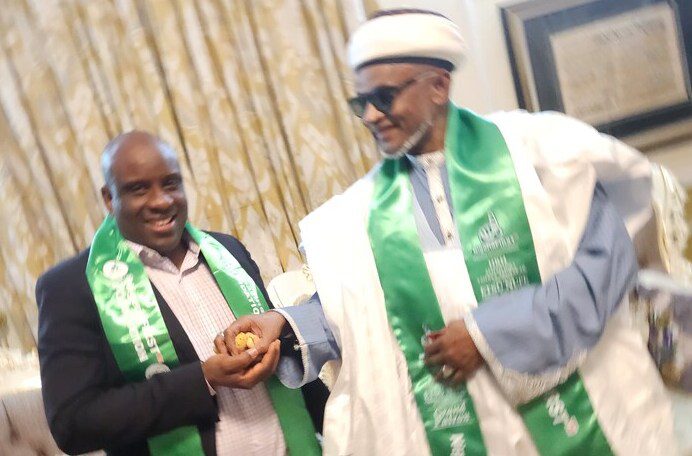
The symbolism of the kola nut extends beyond Igbo land — it resonates across many tribes and nations of sub-Saharan Africa. From the Yoruba in the West to the Nupe in the North, and beyond Nigeria’s borders, the kola nut remains a universal token of friendship, honor, and peace. In traditional gatherings, festivals, and even conflict resolutions, the kola nut is presented as a gesture of goodwill and a call to unity. Its sharing signifies trust and respect, making it one of the most enduring symbols of African identity and togetherness.
In a similar demonstration of the Nupe Kingdom’s kola nut symbolism, His Royal Highness, the Etsu Nupe, once presented a gift of kola nut to the then Prince Charles, now King Charles III, during his visit to Great Britain — a symbolic moment of international cultural diplomacy that underscored the timeless elegance and universality of African hospitality.
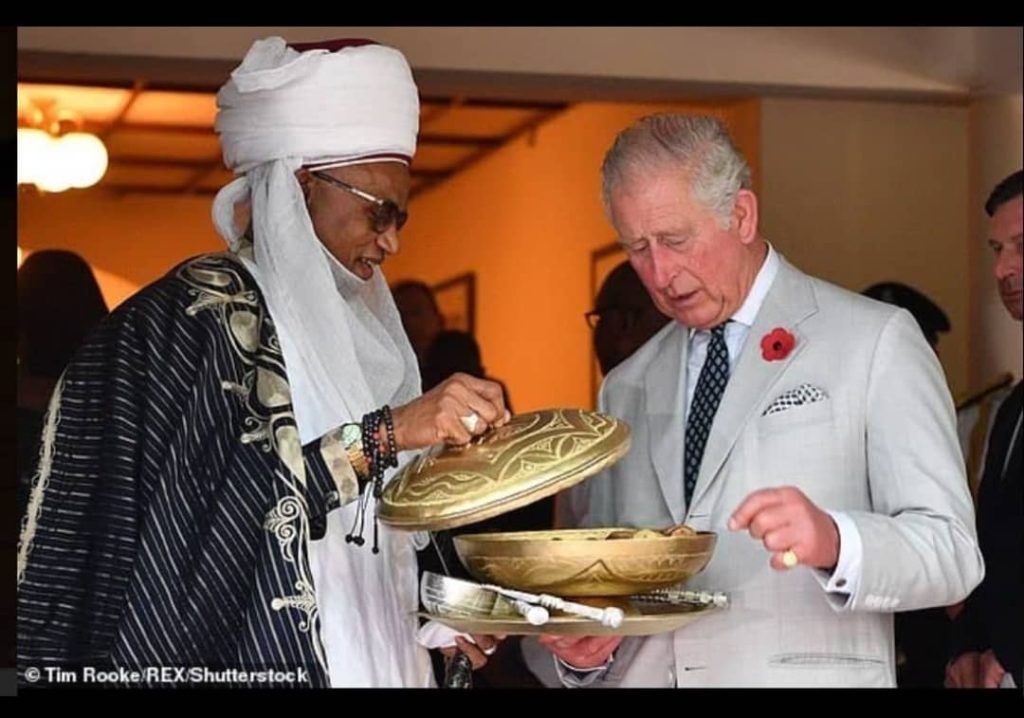
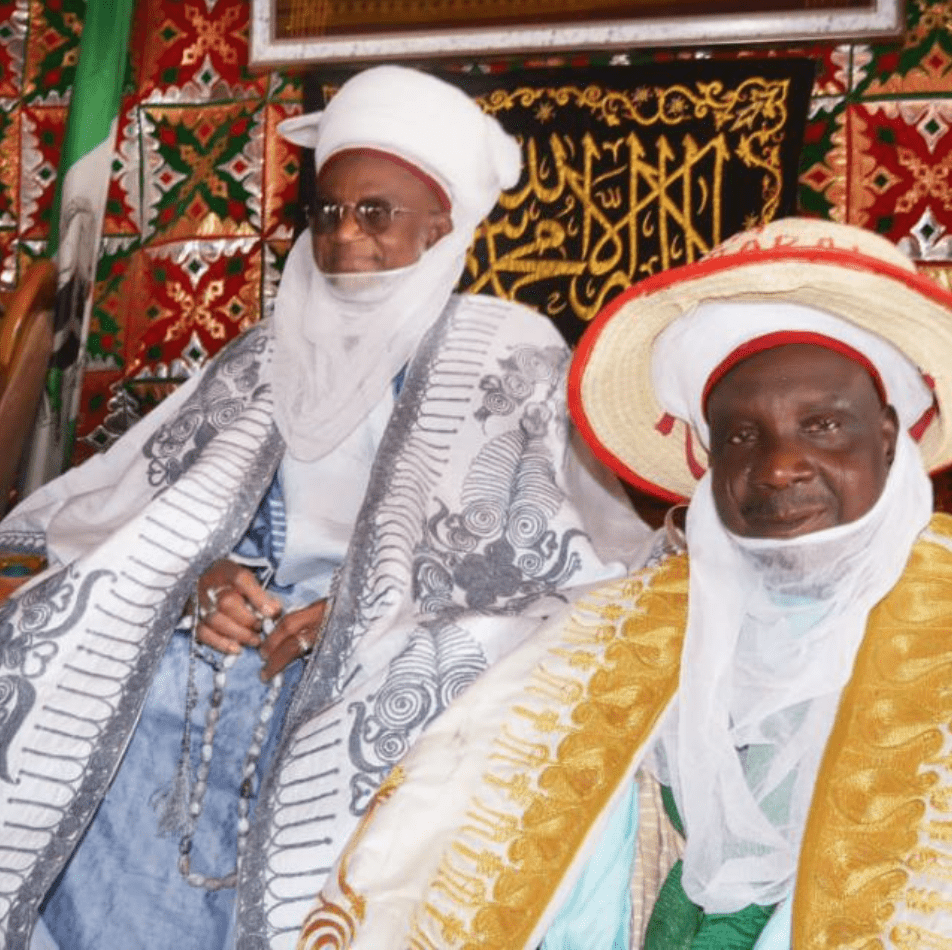
Among the Nupe people, the kola nut holds profound meaning. It features prominently in ceremonies — from community meetings to marriage negotiations — where it is presented as a token of respect and peaceful intent. During the initial stages of marriage discussions known as Egi wa, the offering and acceptance of kola nut signify consent, goodwill, and the beginning of dialogue. The Etsu Nupe, as the custodian of Nupe tradition, preserves and showcases this heritage beautifully. The act of presenting kola nuts during royal appearances or festivals like Bariki embodies the spirit of goodwill, unity, and royal blessing. It reinforces the bond between the throne and the people.
When the Etsu Nupe rides forth in regal splendor, the entire Nupe nation comes alive. Thousands line the streets, hearts filled with pride, to witness this majestic celebration of culture and continuity. They gather to receive royal blessings, to partake in the sacred gift of the Etsu Nupe kola nut — a cherished emblem of goodwill and unity — and to immerse themselves in the unbreakable spirit of Kinnupe, where every smile, every chant, and every shared kola nut reflects the enduring heartbeat of African identity.
The kola nut is more than a fruit of the earth; it is the fruit of the African spirit — a living symbol of peace, respect, and shared humanity. My encounter with the Etsu Nupe’s royal hospitality reaffirmed this truth — that across our diverse cultures and tongues, the kola nut binds us together in a single thread of African brotherhood, tradition, and grace.