More than 1,000 Islamic scholars and clerics from Northern Nigeria have called on President Bola Ahmed Tinubu to reconsider his plan to seek re-election in the 2027 presidential election, citing economic hardship, insecurity and the growing exodus of skilled Nigerians.
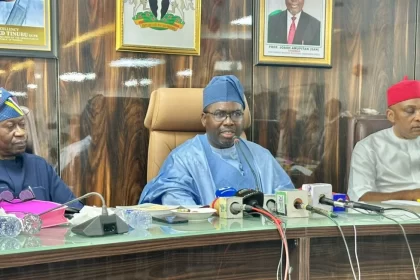
The position was contained in a communiqué issued after a national conference held in Kano on Sunday, October 4, 2026, titled “An Assessment of the State of the Nation under President Tinubu and the 2027 General Elections.” The event was organised by Ko Da Naka, in collaboration with AFAQ Educational Foundation.
The gathering brought together Islamic scholars and other experts from the 19 northern states to assess the country’s economic, security and political situation ahead of the 2027 elections.
The clerics criticised several policies of the Tinubu administration, including the removal of the petrol subsidy, changes to the naira exchange-rate regime, higher electricity tariffs and ongoing tax reforms.
They argued that the policies had increased the burden on ordinary Nigerians amid rising living costs and unemployment.
The scholars also expressed concern over persistent killings, kidnappings, banditry and terrorism, particularly across parts of the North-West.
They urged the Federal Government to take urgent measures to improve security and protect communities affected by violence.
The clerics warned that if the administration failed to substantially address the economic and security challenges, Nigerians should reject Tinubu at the 2027 polls.
They specifically urged the President to withdraw from the presidential race if his administration could not change course, while calling on voters to support candidates they believe can provide better leadership.
Another major concern raised at the conference was the continued migration of Nigerian professionals, including doctors, teachers and engineers.
The participants attributed the brain drain to poor working conditions, inadequate facilities, unemployment and economic difficulties, urging the government to improve salaries and professional opportunities and create incentives for Nigerians abroad to return.
The scholars also called on religious leaders to “speak truth to power” and resist attempts to turn them into political instruments.
They said Islamic scholars should commend good governance and criticise wrongdoing regardless of the political party, ethnicity or religion of those in power.
The conference urged Nigerians to place national interest above political, ethnic and regional considerations when choosing leaders in 2027.
It called on voters to assess presidential candidates based on competence, integrity, experience, policies, security plans and their ability to create jobs and improve living conditions.
The development adds another dimension to the increasingly contested political battle for Northern support ahead of the 2027 presidential election.
It also comes amid competing efforts by Tinubu’s supporters to secure backing from influential Muslim leaders. In August, a separate gathering of about 500 Northern Islamic scholars was reported to have endorsed Tinubu’s re-election bid, while the APC Presidential Campaign Council has also been engaging major Islamic groups in the North.
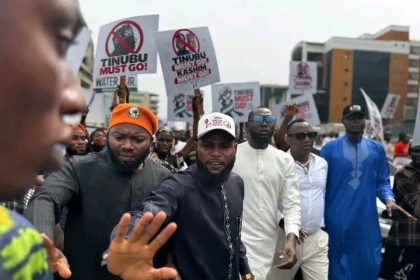
Importantly, reports describe the October 4 gathering as a national conference rather than a street protest or conventional mass rally. The reported opposition to Tinubu’s re-election came through the conference’s communiqué.