By Princely Onyenwe | Editorial Desk
As Nigeria approaches another defining moment in its democratic journey, the question before the electorate is not simply who occupies Aso Rock, but who can provide credible leadership, restore economic confidence, strengthen national security and improve the living conditions of millions of struggling Nigerians.
The 2027 presidential election presents another opportunity for citizens to interrogate leadership, compare competing political visions and decide the direction of their country.
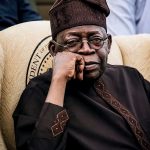
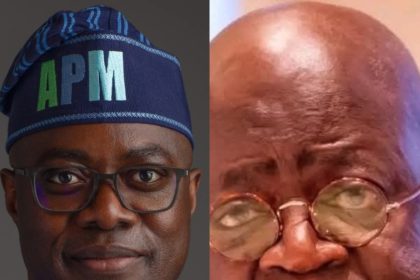
With President Bola Ahmed Tinubu, former Vice President Atiku Abubakar and former Anambra State Governor Peter Obi among the prominent figures in the political conversation, Nigerians must look beyond political popularity, party loyalty and campaign excitement to examine the records, policies and promises of those seeking their mandate.
One fundamental principle must guide this election: nobody owns the Nigerian presidency, and no political ambition should supersede the constitutional right of citizens to freely choose their leaders.
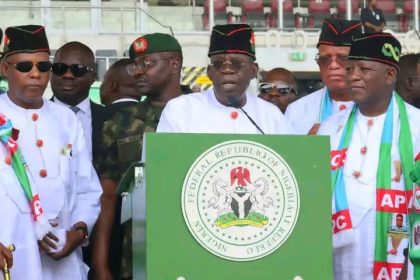
President Bola Ahmed Tinubu, seeking another mandate under the All Progressives Congress (APC), must present a convincing account of his administration’s economic reforms and their consequences for ordinary Nigerians. The removal of fuel subsidy, foreign exchange reforms and other major economic adjustments have significantly reshaped the country’s economic landscape. While the administration can point to improvements in certain macroeconomic indicators, the central question remains whether these developments have translated into meaningful improvements in household welfare.
Nigeria recorded 4.43 per cent real GDP growth in the second quarter of 2026, while headline inflation stood at 15.39 per cent and food inflation at 19.57 per cent in August 2026. These figures indicate progress in some economic indicators, but they must not be confused with the restoration of household purchasing power.
A reduction in inflation means prices are increasing more slowly; it does not automatically mean that food, transportation, electricity, medication, petrol and other essential commodities have become affordable. Millions of Nigerians are still struggling to meet basic household obligations. Tinubu must therefore explain how his administration intends to translate economic reforms into tangible relief, employment opportunities, affordable energy, improved security and sustainable prosperity.
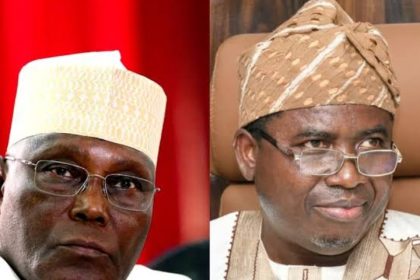
For Atiku Abubakar, the former Vice President and prominent opposition figure, the challenge is to demonstrate that his proposed economic direction offers a credible alternative to the present administration. His experience in government and longstanding involvement in national politics place considerable responsibility on him to explain how his advocacy for private-sector participation, investment and economic restructuring would address unemployment, poverty, infrastructure deficits, insecurity and the rising cost of living.
Nigerians deserve more than familiar political promises. They deserve specific explanations of how his proposed policies would work, how they would be financed and what measurable outcomes citizens should expect. His current legal challenge concerning his ADC presidential nomination must also be resolved through the appropriate judicial process, with due respect for the rule of law and the rights of all parties.
Peter Obi, the former Anambra State Governor and another prominent presidential contender, must equally demonstrate how his emphasis on prudence, productive investment, accountability and economic restructuring can translate into a comprehensive national development programme.
Public enthusiasm and political support are important features of democratic participation, but winning a presidential mandate requires a convincing national vision. Obi must explain how his proposed economic model would address Nigeria’s complex federal structure, insecurity, energy challenges, unemployment, industrial development, agricultural productivity and national cohesion.
The three political figures must understand that Nigeria cannot be governed successfully through slogans, emotional appeals, regional sentiments or campaign rhetoric. The country requires practical solutions to its structural economic weaknesses, stronger institutions, improved security, productive industries and opportunities for its growing youth population.
The electorate must therefore look beyond political party loyalty, ethnic considerations, religious sentiments, campaign endorsements and personal admiration. The important question is not who has the loudest supporters, the deepest political connections or the greatest financial resources, but what each candidate is offering and how those promises can be translated into measurable national development.
Nigerians must also reject the dangerous culture of vote buying. Selling one’s vote for money, food items, transportation allowances or temporary personal benefits is an act that mortgages the future of an entire community.
A voter who accepts a few thousand naira to surrender the power to choose a president may unknowingly exchange years of economic hardship, unemployment, poor healthcare, insecurity and inadequate infrastructure for an insignificant temporary benefit. No amount of money distributed during an election campaign can compensate citizens for four years of poor governance.
Political parties, candidates and their supporters must equally understand that electoral victory purchased through inducement is not a genuine expression of democratic consent. Vote buying, ballot manipulation, intimidation, multiple voting, result falsification and the deliberate compromise of electoral officials undermine the foundation of representative government.
Nigerians must protect their Permanent Voter Cards, participate peacefully in the electoral process and insist that their votes are properly counted, transmitted and accurately recorded. The electorate must recognise that the power to determine the country’s political future belongs to them, and surrendering that power for temporary benefits only weakens democracy.
However, the responsibility for protecting the integrity of the 2027 presidential election rests heavily on the Independent National Electoral Commission (INEC). The Commission must understand that public confidence in an election is as important as the announcement of its outcome. Its credibility will be measured not by how quickly it declares a winner, but by how transparently, accurately and impartially it conducts the electoral process.
INEC must not pronounce a winner whose victory is unsupported by the actual votes cast, properly collated results and constitutional requirements. It must resist political pressure, institutional interests, financial inducements and every attempt to compromise its independence.
Every polling-unit result must be properly documented. Electronic transmission and collation procedures must be implemented transparently in accordance with the Electoral Act 2026 and applicable regulations. Any discrepancies must be investigated and addressed through established legal procedures. Electoral officers must understand that their loyalty is to the Nigerian Constitution and the electorate, not to any political party, incumbent administration or presidential aspirant.
The Commission must not sacrifice national trust on the altar of political expediency. A questionable declaration may produce a temporary occupant of political office, but it can leave lasting damage to democratic legitimacy, national cohesion and public confidence in government.
Where the verified results establish that Tinubu has won, INEC must declare him. Where Atiku emerges victorious, subject to the resolution of applicable legal questions concerning his candidacy, his victory must be respected. Where Obi secures the required votes and constitutional spread, the Commission must equally declare him. The same principle must apply to every other duly qualified presidential candidate.
The Nigerian electorate, not INEC, must determine the winner through their votes. The Commission’s responsibility is to faithfully establish and announce that choice in accordance with the law.
This is the minimum expectation of a constitutional electoral institution. Nigeria cannot afford another electoral process that leaves citizens questioning the credibility of the declared outcome. Such an experience could deepen political divisions, weaken national unity, undermine democratic legitimacy and create unnecessary instability.
INEC must therefore demonstrate institutional independence, professional courage and an unwavering commitment to electoral justice. Its officials must understand that the credibility of their actions will outlive the tenure of any administration or the political ambitions of any candidate.
Beyond the personalities and political parties, the 2027 election must provide Nigerians with an opportunity to interrogate the future of their country.
The electorate should demand clear answers on food security, affordable petrol and cooking gas, electricity, healthcare, education, housing, employment, agricultural development, industrialisation and national security. Candidates must explain how they intend to finance their promises, establish implementation timelines and identify measurable outcomes against which Nigerians can assess their performance.
A presidential manifesto should not be a collection of attractive promises designed to win applause at campaign rallies. It must be a practical development blueprint capable of addressing the realities of a country struggling with poverty, infrastructure deficits, insecurity and declining household purchasing power.
The next president must understand that economic growth without corresponding improvements in citizens’ welfare is insufficient. National development must be reflected in the ability of ordinary families to afford food, educate their children, access healthcare, secure decent accommodation and live without the constant fear of insecurity.
Nigeria’s enormous human and natural resources must translate into opportunities for its citizens rather than remain recurring subjects of political speeches.
The choice before Nigerians in 2027 is therefore bigger than Tinubu, Atiku or Obi. It is about the future of more than 200 million people and the direction of a country whose democratic institutions must remain stronger than the ambitions of individual politicians.
Let the candidates present their programmes. Let Nigerians interrogate their records, challenge their promises and compare their proposed solutions. Let the electorate vote freely, without intimidation, inducement or manipulation.
When the votes have been cast, let INEC count accurately, collate transparently and announce only the candidate who has genuinely won under the Constitution and the Electoral Act.
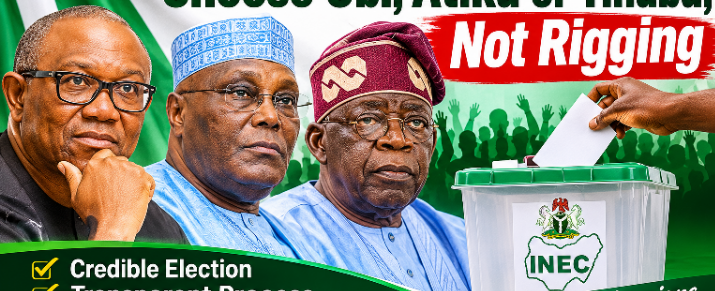
Obi, Atiku and Tinubu: Let Nigerians Decide.
The ballot belongs to the people, the mandate belongs to the electorate, and the responsibility of protecting that mandate belongs to INEC.
Nigeria must not sacrifice its democratic future on the altar of political desperation. The 2027 presidential election must produce not merely a declared winner, but a legitimately elected leader whose mandate commands national trust.
After all, what is the value of winning political power if the process that produces the winner destroys the people’s confidence in democracy?