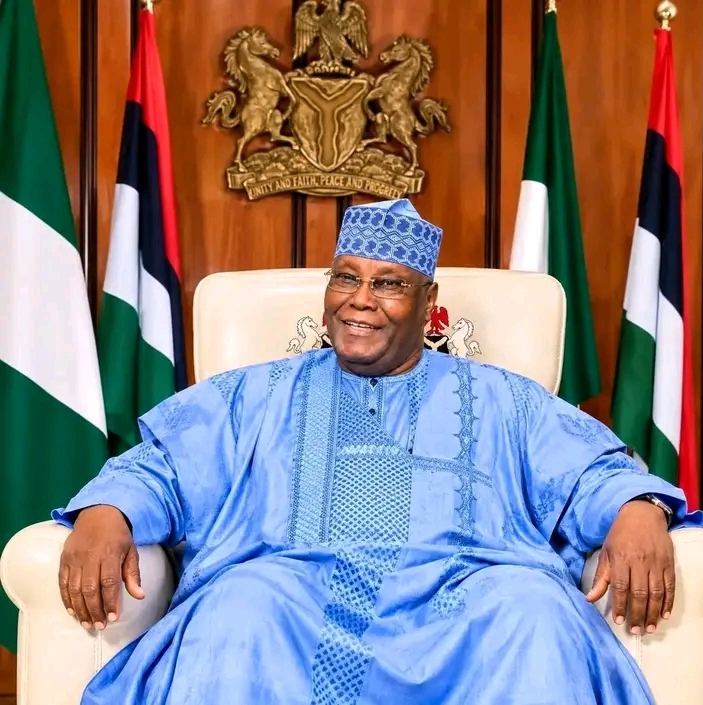
Former Vice President Atiku Abubakar has unveiled a 12-point policy agenda ahead of the 2027 presidential election, outlining what he describes as a plan to “Rescue, Revive and Restore” Nigeria.
Atiku said his programme would focus on reducing the cost of living, strengthening the economy, improving security and expanding opportunities for Nigerians.
He proposed the restoration of targeted petroleum subsidies to reduce transportation costs and ease pressure on households.
On education, Atiku promised to review the Nigerian Education Loan Fund (NELFUND) and consider debt forgiveness, arguing that students should have access to affordable education without crippling debt.
He also pledged to implement the Supreme Court judgment on local government autonomy, ensuring that funds meant for councils are paid directly to them for grassroots development.
Atiku promised to revive the Eastern maritime port corridor, including the ports in Port Harcourt, Calabar and Warri, while supporting the development of the proposed Uyo Deep Sea Port.
He further proposed reopening Nigeria’s land borders to legitimate cross-border businesses, traders and regional commerce.
On electricity, Atiku said his administration would review the sector and reform the tariff classification system to end what he described as discriminatory billing and make power more affordable.
He also proposed a $10 billion startup and entrepreneurship financing programme aimed at empowering young people and women, alongside greater inclusion in government appointments.
Security would receive increased attention under his plan, with commitments to recruit more personnel, improve welfare, tackle corruption and deploy modern intelligence and field technology.
Atiku also promised to improve security in farming communities, reduce production costs and expand access to financing and other support to encourage Nigerians to return to agriculture.
In healthcare, he proposed sweeping institutional reforms to expand access to affordable and quality basic healthcare while addressing shortages, remuneration and the welfare of medical professionals.
The former vice president also promised to devolve more powers to states and local governments by restructuring the Exclusive and Concurrent Legislative Lists and creating a leaner Federal Government.
Atiku’s final commitment is to implement the Oronsaye Report, which recommends eliminating duplication and overlapping government agencies to reduce waste, corruption and administrative inefficiency.
He said the reforms would create a more efficient government focused on delivering better services and improving the lives of Nigerians.Hardship: Obinna Ejianya Urges President Tinubu to Restore Fuel SubsidyHardship: Obinna Ejianya Urges President Tinubu to Restore Fuel Subsidy