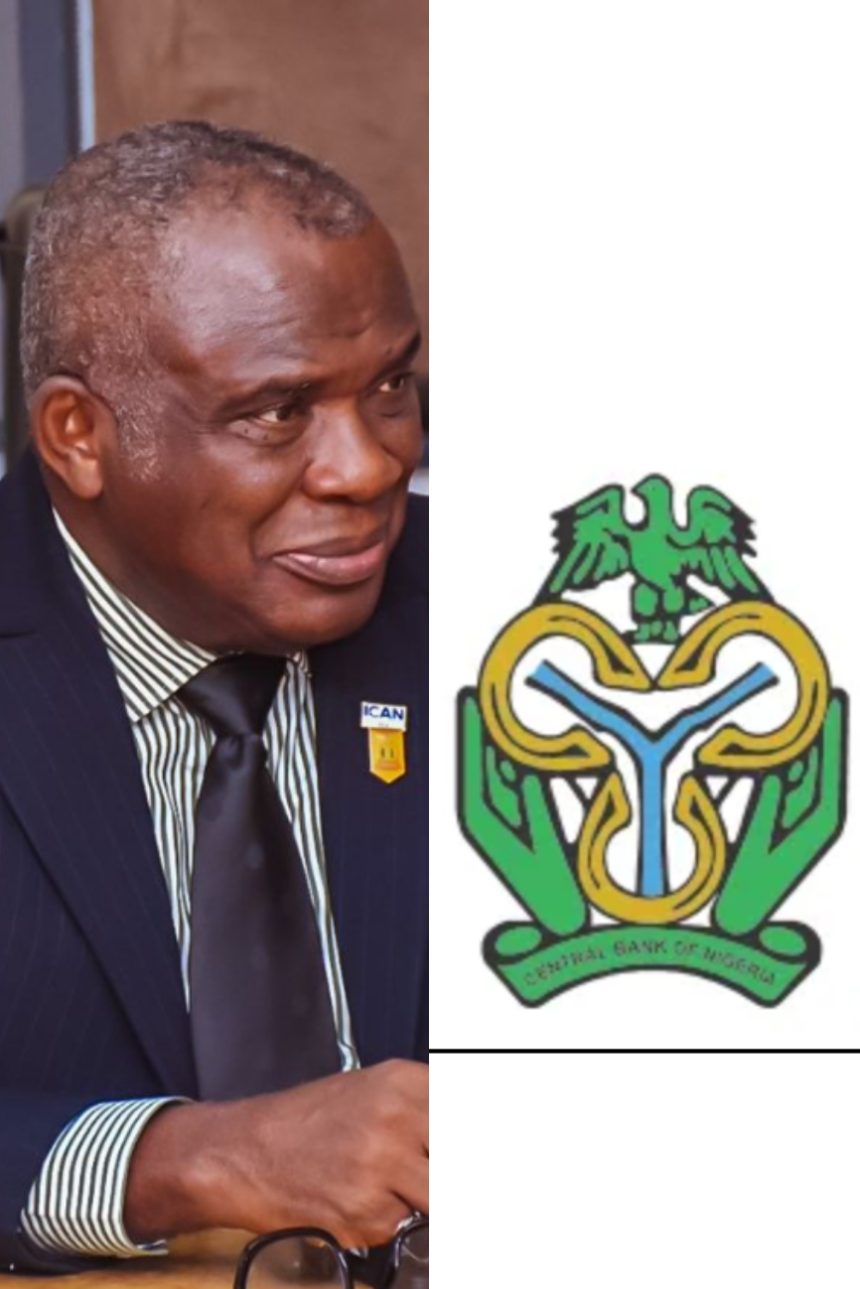
-Dr Etofolam Osuji mni fca
The sanctuary of a bank’s vault was never meant to be a private pantry for its architects. Yet, across the landscape of Nigeria’s financial district, there remains a persistent, quiet rot—a “silent pandemic” of balance sheet engineering where the line between corporate liquidity and personal loot has become dangerously porous.
While the revelation of 106 London properties linked to a single name has pierced the veil, the reality is that many institutions still in operation today function as sophisticated vehicles for wealth extraction, waiting for a reckoning that is long overdue.
The tragedy of the Nigerian banking sector is that the “watchmen” have often been as indulgent as the “wardens.” History remembers the tenure of Sanusi Lamido Sanusi for its aggressive interventions, yet even then, the Central Bank itself fell prey to a different shade of the same temptation. Under the noble guise of Corporate Social Responsibility, vast sums in their billions of Naira, were channeled into regional projects with a reckless abandon that mirrored the very excesses the regulator sought to cure.
When a central bank spends with the whims of a monarch rather than the precision of a technician, it sends a signal to every Bank MD in the country: the treasury is a tool for influence, not a trust for the people.
This culture of “institutionalized leakage” creates an ecosystem where the MD does not retire; they simply transition from the boardroom to a life of obscene leisure. They move through the world in a blur of private jets and Mauritian trust funds, their wealth guarded by shell companies that act as digital moats. These executives sit atop mountains of “Shareholders’ Funds,” viewing the capital as a discretionary fund for vanity projects and political patronage.
They are the untouchables, managing institutions that are “too big to fail” while personally becoming “too rich to care.” These guys were our mates in the 1990s, until they became MDs and the change of fortune catapulted them into the financial stratosphere.
The need for a radical sanitation of the sector has never been more urgent. True reform cannot merely be about capital adequacy ratios or stress tests; it must be a surgical strike against the “architecture of opacity.”
We need a regulatory framework that treats a bank’s CSR budget and an MD’s offshore holdings with the same forensic scrutiny. If a British Bank MD must justify a modest bonus, why should a Nigerian counterpart be allowed to move billions through the British Virgin Islands without a whisper from the authorities?
Until the Central Bank returns to its core mandate of rigorous, unbiased oversight—stripped of its own penchant for “reckless philanthropy”—the cycle will continue. The “Weight of 106 Houses” is not an isolated incident; it is a symptom of a systemic fever. To save the sector, the light of transparency must be shone into every corner, from the regional grants of the regulator to the hidden ledgers of the executive floor.
For in the end, a banking system built on the quicksand of misappropriation will eventually bury both the angels and the architects alike.
The ETOFOLAM OSUJI ECONOMIC AND ACCOUNTABILITY TEAM writes.