Report compiled by Obinna Ejianya (9News Nigeria)
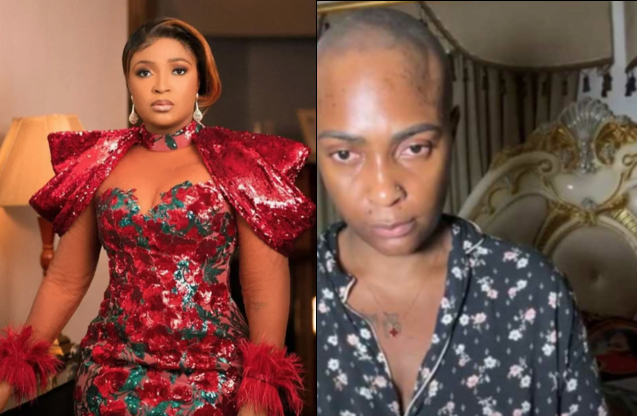
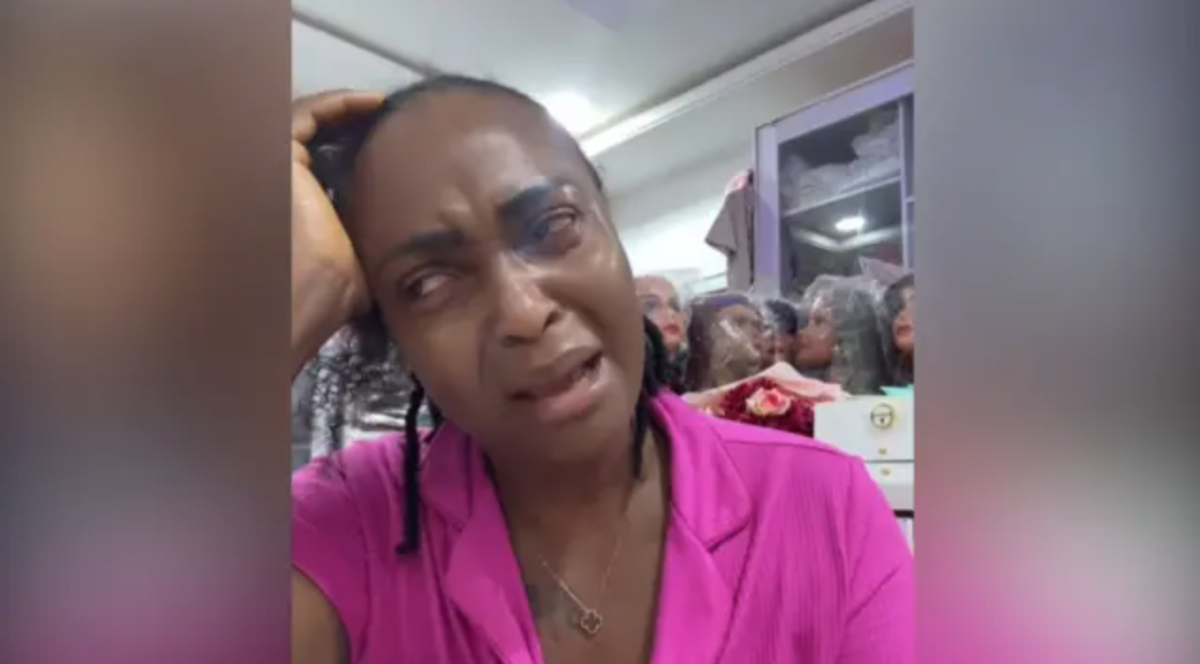
Nigeria’s anti-graft agency has opened an investigation into social media influencer Blessing Okoro, widely known as Blessing CEO, following serious allegations that she fabricated a cancer diagnosis to solicit public donations.
9News Nigeria reports that the Economic and Financial Crimes Commission (EFCC) confirmed it received a formal petition accusing the influencer of financial misconduct, including fraud and forgery. The Delta State Police Command has also acknowledged the complaint and indicated that preliminary steps are underway, pending statements from key parties involved.
The case stems from claims that Okoro falsely presented herself as a stage-four cancer patient, a narrative that drew sympathy and financial support from followers across social media platforms. However, mounting inconsistencies in her story sparked public suspicion, eventually triggering formal complaints and legal action.
Central to the controversy is a medical report allegedly used by the influencer to support her claims. The Nigerian Medical Association (NMA) in Delta State has distanced itself from the document, stating it was originally issued to a different patient, Deborah Mbara, a breast cancer survivor. According to the association, the report—dated May 9, 2025—was legitimately produced by Xinus Medical Diagnostics in Asaba.
Mbara has since accused Okoro of manipulating her medical record to deceive the public. She recounted that the influencer obtained the report under the pretext of comparison after claiming to be battling cancer. The situation escalated when Mbara discovered her medical details circulating widely across social media and broadcast platforms.
Her legal representative, Sunny Anyanwu, subsequently filed a petition before the EFCC, alleging violations of multiple Nigerian laws, including provisions under the Cybercrime Act and medical regulations. He further claimed that investigations suggest the influencer may have generated over N300 million through the alleged scheme, far exceeding the N13 million Okoro publicly admitted to receiving.
In a strongly worded statement, Anyanwu described the situation as deeply distressing for his client, noting the emotional and reputational damage caused by the exposure of her private medical records. He insisted that justice would only be served if the suspect is prosecuted and compelled to refund all funds obtained under false pretences.
Legal experts have also weighed in. Senior Advocate of Nigeria, Monday Ubani, described the allegations as constituting clear criminal conduct if proven. He emphasised that obtaining money under false pretence is a prosecutable offence and urged authorities to pursue the matter diligently.
Meanwhile, professional bodies have signalled readiness to support the investigation. The Delta State chapter of the NMA stated it would cooperate fully if called upon, while the Nigerian Cancer Society condemned the alleged deception, stressing that such actions undermine public trust and exploit vulnerable narratives around life-threatening illnesses.
The medical practitioner linked to the original report, Dr A.O. Odigwe, has also affirmed the NMA’s position, indicating that further action may depend on how the investigation unfolds.
In a recent development, Okoro publicly retracted her earlier claim of having stage-four cancer during an interview with a social media personality. Despite acknowledging that she received donations, she maintained that she owed no apology to the public—a stance that has further fueled outrage.
As of the time of filing this report, attempts to reach the influencer for comments were unsuccessful, with calls and messages reportedly unanswered.
Authorities say the outcome of the investigation will determine the next course of action, as public scrutiny intensifies over what could become one of the most controversial influencer-related fraud cases in Nigeria in recent times.