The recently withdrawn Indigeneship Bill, sponsored by Deputy Speaker of the House of Representatives, Rt. Hon. Benjamin Okezie Kalu, sought to redefine what it means to belong within the Nigerian federation.
The bill, at its core, aimed to dismantle the legal and social barriers that have, for decades, separated Nigerians into two broad categories: “indigenes” and “non-indigenes.”
Under current practice, citizens living outside their state of origin often face systemic discrimination, despite years of residence in their new communities.
These exclusions range from limited access to public sector jobs and scholarships to political marginalization and denial of social benefits.
The bill attempted to bridge that divide by proposing a constitutional framework that would guarantee equal rights and privileges to all Nigerians, regardless of their state of origin, so long as they resided in a particular state for a sufficient length of time.
The legislative proposal envisioned a Nigeria where residency, not ancestry, would determine one’s entitlement to state resources and opportunities.
By doing so, it sought to foster national cohesion, reduce ethnic tension, and promote a deeper sense of belonging among citizens who have settled outside their ancestral homes.
However, while the bill was lauded in some quarters as a progressive step toward true federal integration, it also sparked concern among legal scholars and cultural stakeholders.
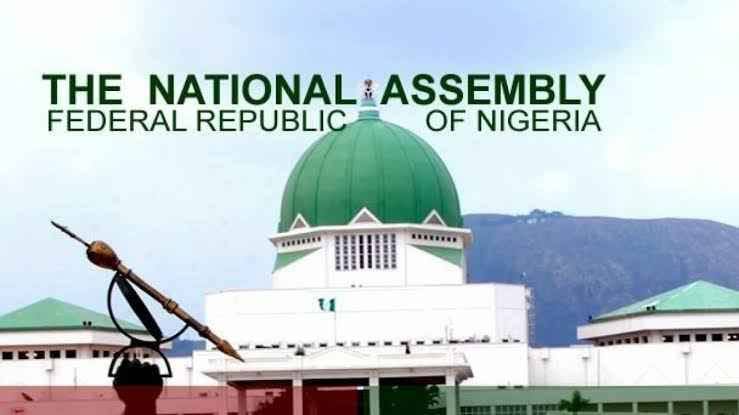
The National Institute for Legislative and Democratic Studies (NILDS), in a detailed Bill Analysis Report, warned of potential legal complexities, particularly the risk of multiple indigeneship claims and administrative confusion.
The report advised that rather than embedding such provisions in the constitution, states should instead be empowered to pass local laws ensuring equal treatment for all residents.
In response to these concerns and the volume of public feedback, Kalu announced the withdrawal of the bill on Tuesday to allow for further legislative engagements.
Yet, even in stepping back, he maintained that the fundamental aim of the bill; to create a more inclusive and just Nigeria remains a legislative priority.
“The Constitution Review process remains an open, inclusive, and participatory exercise.
“We will continue to engage until we find a consensus that reflects the true aspirations of the people.” Kalu said.
Though shelved for now, the Indigeneship Bill has reignited a vital national conversation, asking what should truly determine belonging?