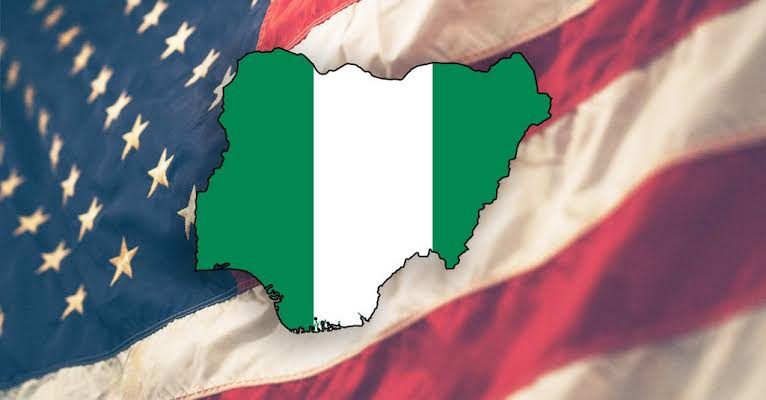
A wave of silent but disruptive visa cancellations is unfolding in Nigeria, as the United States Embassy has begun revoking valid visas previously issued to Nigerian citizens.
The cancellations, which have hit professionals, entrepreneurs, frequent travelers, and even families, have left many stranded with cancelled trips, mounting costs and unanswered questions.
While the Embassy has not publicly commented on the matter, official notices sent to affected individuals cite a generic clause: that “new information became available after the visa was issued.”
This phrasing, drawn from U.S. immigration regulations, allows consular officers to withdraw visas at their discretion.
However, the absence of specifics or an appeal process has fueled frustration and suspicion.
According to diplomatic sources and legal experts familiar with the issue, the revocations are being driven by three main factors.
First is security vetting, as U.S. authorities intensify scrutiny of applicants amid rising concerns about global migration flows.
Second is overstay patterns, with Nigeria repeatedly ranking among countries whose citizens overstay U.S. visas.
Third is data reliability, as Washington presses for more seamless access to Nigerian immigration and identity records to validate applicants’ backgrounds.
The impact has been immediate and personal.
A senior Nigerian journalist discovered his visa had been cancelled only at the airport on his way to an international assignment.
A federal agency head preparing for an overseas engagement was ordered to submit his passport to the Embassy, only to have his visa withdrawn without explanation.
An entrepreneur with a clean travel record and extensive U.S. ties suffered a similar fate.
What unites these cases is the lack of transparency.
Recipients are left with a single sentence explaining that their visas are no longer valid, with no avenue to contest the decision.
The quiet revocations come on the heels of another policy change that reduced U.S. non-immigrant visas for Nigerians from five-year multiple-entry to single-entry permits valid for just three months.