China approached 2025 with the numbers marking President Xi Jinping’s 13-year reign revealing a staggering transformation of the world’s second-largest economy.
With a projected GDP of $41 trillion, up from $8.5 trillion in 2012, and a rise in per capita income from $6,000 to $13,000, China’s economic leap has been both strategic and relentless.
Inflation has been kept at bay, foreign reserves have grown to $4 trillion, and citizens now earn, on average, ten times more than they did when Xi took office.
Pensions have risen significantly, and debt has been managed with minimal increase.
These numbers have placed China on a steady march toward global economic dominance.
The country’s investments in infrastructure, manufacturing, and energy, coupled with decisive governance, have translated into real economic empowerment for millions of its citizens.
In comparison, Nigeria, Africa’s largest economy, continues to wrestle with inflation, naira instability, and sluggish growth.
While China’s economic output multiplied, Nigeria’s GDP has hovered around the $477 billion mark, only marginally improved from the $460 billion recorded in 2012.
Per capita income remains under $2,200, and inflation reached an alarming 34% in mid-2025, driven by high food prices and foreign exchange pressures.
Monthly wages and pensions for the average Nigerian remain drastically below global standards, with millions living on less than $2 a day.
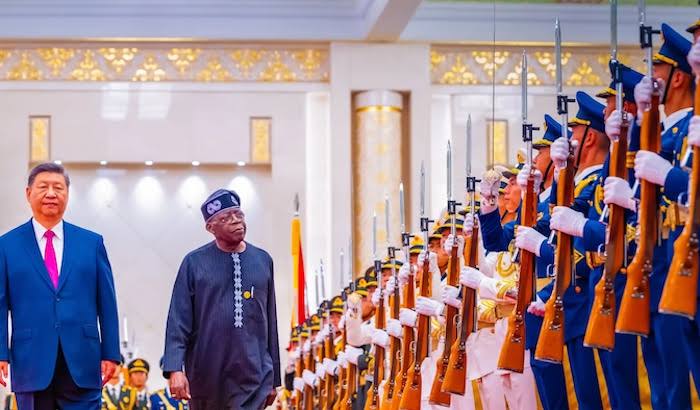
However, beneath Nigeria’s economic turbulence, the current administration led by President Bola Ahmed Tinubu has begun laying down what it calls the foundation for long-term recovery and growth.
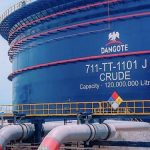
Major reforms in the energy sector have revived confidence in domestic refining, particularly with the operationalization of the Dangote Refinery and steps toward removing Nigeria’s dependency on imported fuel.
The unification of the foreign exchange system, although controversial, has sent a strong signal towards transparency in currency markets.
The Tinubu administration has also made strides in digital finance, expanding the scope of cashless transactions and attracting fintech investment.
Social investment programs are being restructured and conversations around a new minimum wage are gaining momentum, although still controversial.
Additionally, agricultural reforms and food security strategies are underway, with hopes to reduce import dependence and create jobs in rural areas.
But the journey ahead remains daunting. Where China has created value through exports, Nigeria still imports most of its basic needs.
Where China built vast transport networks and world-class cities, Nigeria battles decaying infrastructure and energy deficits.
Evidently, the resolve of the current government suggests an awareness that course correction is urgent and that time is limited.
China’s 13-year sprint under Xi Jinping is a portrait of focused national ambition.
Nigeria’s slow grind under successive governments has yet to yield the same dividends.