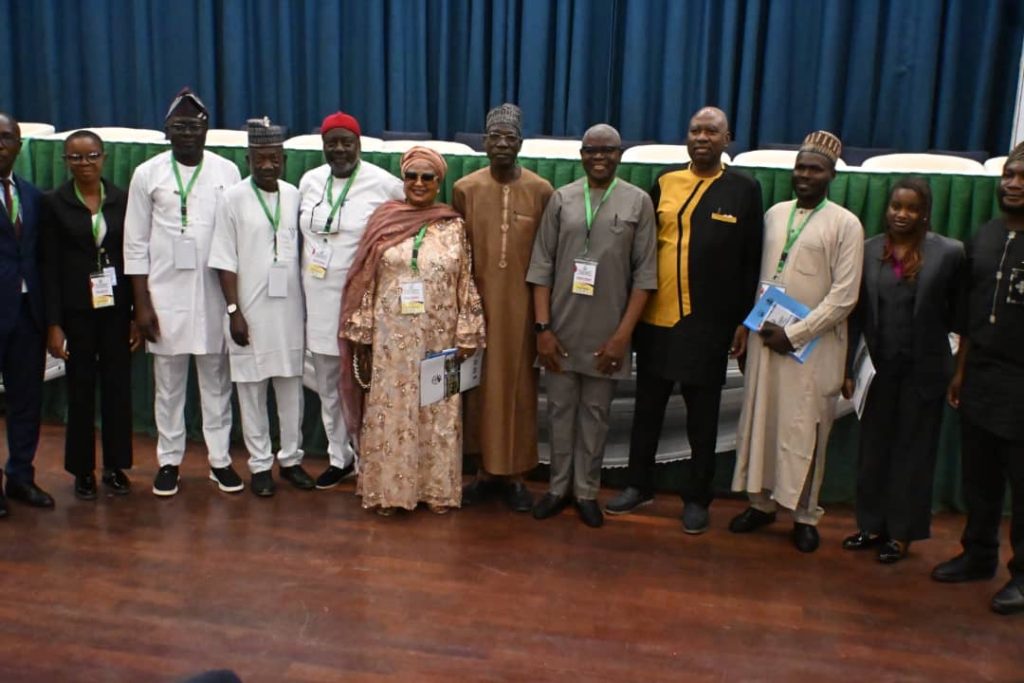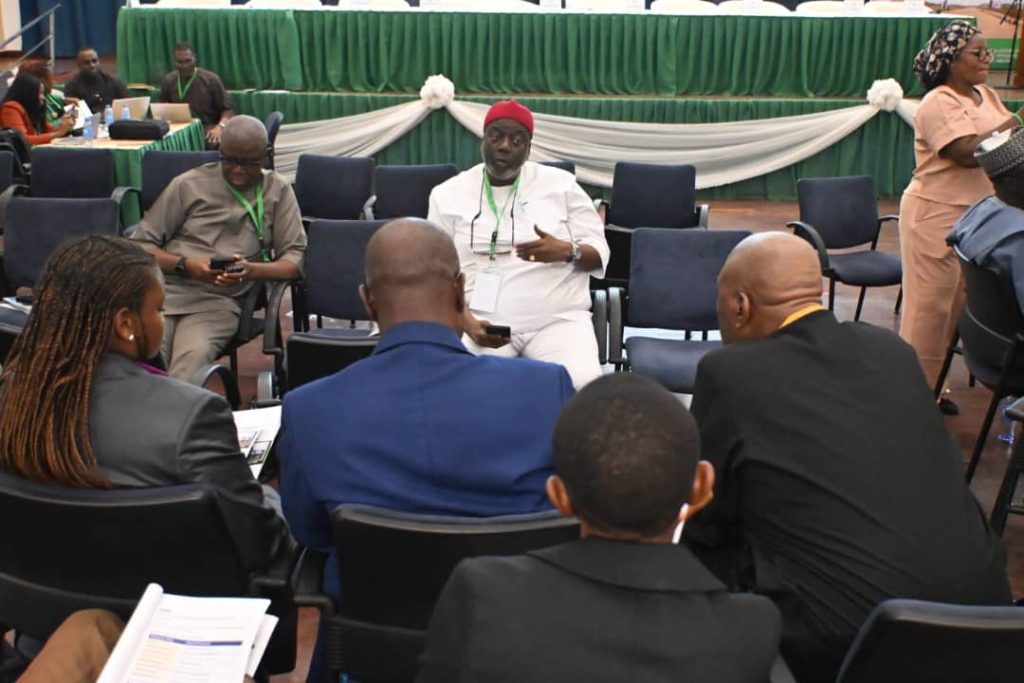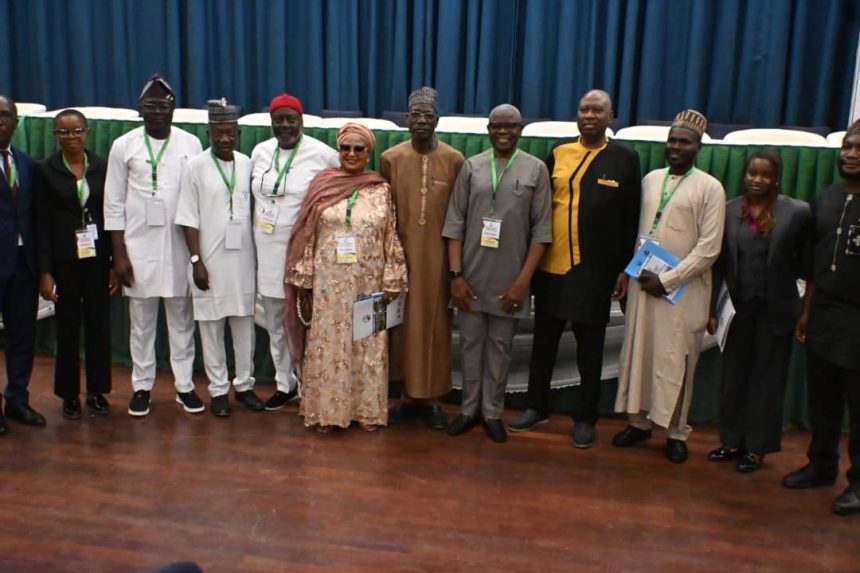
The Commissioner for Agriculture and Food Security in Imo State, Chief Longers Anyanwu, has assumed a strategic leadership role at the Stakeholders’ Validation Workshop on the Draft Special Agro-Industrial Processing Zones (SAPZ) Policy for Nigeria.
He is serving as Chairman of the Technical Committee on Agro-Processing, Industrialisation and Infrastructure.
The high-level policy validation meeting, taking place at the African Development Bank (AfDB) Country Office in Abuja on Monday, has brought together senior officials of the Federal Government, development partners, and representatives of participating states to fine-tune the policy framework that will guide the implementation of the SAPZ Programme across Nigeria.
The workshop was attended by the Minister of Agriculture and Food Security, Senator Abubakar Kyari; the Minister of Finance and Coordinating Minister of the Economy, Mr. Wale Edun; the African Development Bank’s Nigeria Country Department Lead, Dr. Abdul Kamara; alongside representatives of the Islamic Development Bank (IsDB), the International Fund for Agricultural Development (IFAD), and other key stakeholders.
As Chairman of the Technical Committee on Agro-Processing, Industrialisation and Infrastructure, Chief Anyanwu is leading discussions on one of the programme’s most critical pillars, focusing on developing sustainable agro-processing infrastructure, promoting industrialisation, and strengthening value chains to accelerate Nigeria’s agricultural transformation.
Speaking on the sidelines of the workshop, the Imo Agriculture Commissioner reaffirmed the state’s commitment to the SAPZ initiative, emphasizing that the Hope Uzodimma administration remains dedicated to working with the Federal Government and international development partners to ensure the programme delivers measurable benefits for farmers, agribusinesses and rural communities across Imo State.
The Special Agro-Industrial Processing Zones Programme is designed to establish Agro-Industrial Processing Hubs and Agricultural Transformation Centres across seven states and the Federal Capital Territory in its first phase.
The initiative seeks to reduce post-harvest losses, enhance value addition, create employment opportunities, and attract private sector investment into agriculture, ultimately shifting Nigeria from exporting raw agricultural commodities to processed products.
The ongoing validation workshop is expected to produce the final policy recommendations that will guide the operationalisation of the first phase of the SAPZ Programme while strengthening collaboration between the Federal Government, participating states and development partners.