Iran has called on sections of its population—including young people, students, athletes and artists—to gather around critical infrastructure in what authorities describe as a symbolic act of national protection, as tensions escalate following fresh threats from United States President Donald Trump.
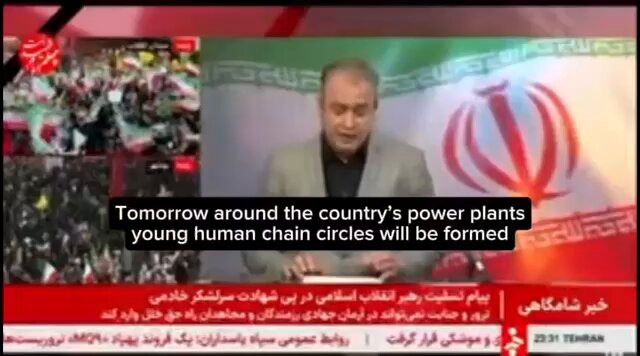
The directive, circulated through state-aligned platforms including Nour News, urges citizens to form coordinated human chains around power plants and key energy facilities across the country. The move comes amid rising fears of possible US strikes targeting Iran’s infrastructure.
Officials within Iran’s Ministry of Sports and Youth confirmed that the mobilisation is expected to begin at about 2pm local time on Tuesday. According to Iran’s Deputy Minister for Youth Affairs, Alireza Rahimi, the initiative originated from grassroots proposals by young citizens and student groups.
Rahimi explained that the planned gathering—described as a “Human Chain of Iran’s Youth for a Bright Future”—is intended to demonstrate solidarity and commitment to safeguarding national assets, rather than serving as a direct military deterrent.
He stated that various youth organisations and university groups had suggested forming a protective human ring around sensitive facilities as a show of civic responsibility amid growing external threats.
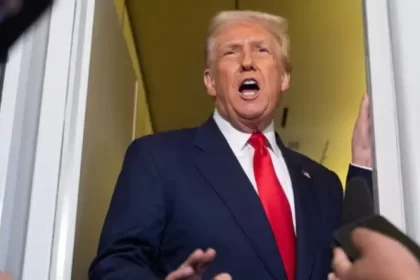
The timing of the planned human chain is notable, coming hours before a deadline set by Trump, who has issued an aggressive warning linked to the reopening of the Strait of Hormuz. In a strongly worded post on his Truth Social platform, the US leader threatened severe consequences if Iran failed to comply.
“Tuesday will be Power Plant Day, and Bridge Day… Open the Strait… or you’ll be living in Hell — JUST WATCH!” Trump wrote, in a message that has since drawn global attention.
The escalating rhetoric has heightened anxiety within Iran, with reports indicating that hospitals and emergency services are preparing contingency measures in case of potential disruptions, including power outages.
Meanwhile, the government-backed call for civilians to gather around strategic infrastructure has triggered mixed reactions internationally. Critics have raised concerns over the safety implications of involving civilians in proximity to potential military targets, while Iranian officials continue to frame the initiative as a peaceful and symbolic demonstration of unity.
As both sides maintain hardened positions, the situation around the Strait of Hormuz and broader US-Iran relations remains highly volatile, with global observers closely monitoring developments that could have far-reaching geopolitical and economic consequences.