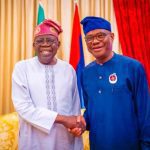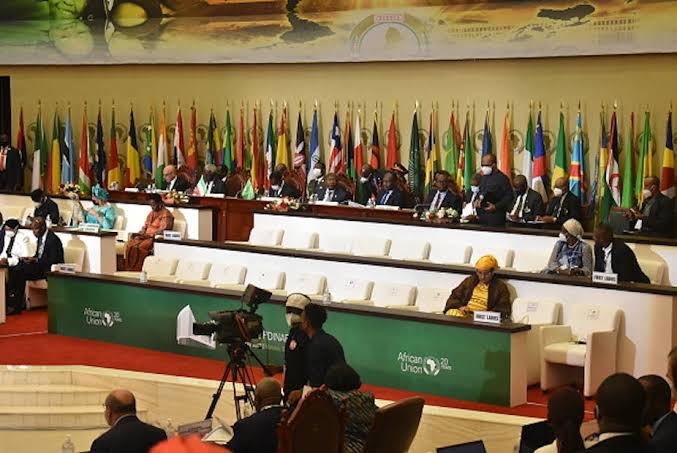
Former Deputy Governor of the Central Bank of Nigeria and presidential candidate, Kingsley Moghalu, has questioned why African countries persistently fail to adequately fund the African Union Commission (AUC).
In a pointed statement made on Sunday, Moghalu asked: “Why would African countries not fund the AU Commission? The African mentality of dependency on the ‘kindness’ of strangers is really sick.
“China funded the construction of the AU Headquarters in Addis Ababa. It was later discovered to have been comprehensively bugged!”
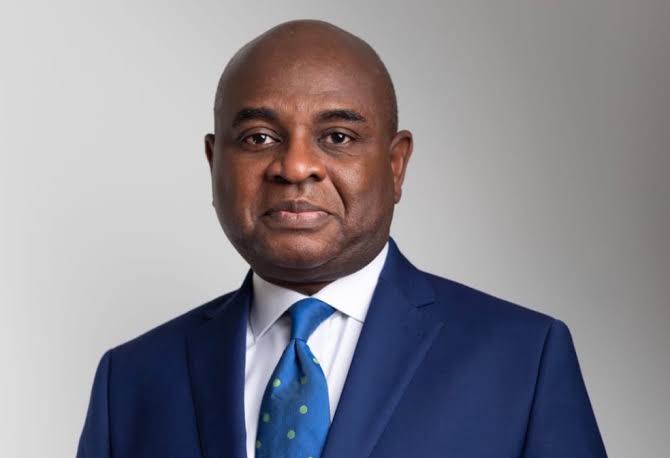
His comments surfaced just as similar concerns were raised by Mo Ibrahim, the Sudanese-British billionaire and founder of the Mo Ibrahim Foundation, during a high-level conversation at the Ibrahim Governance Weekend held in Marrakech, Morocco.
In dialogue with outgoing African Union Commission Chairperson Moussa Faki Mahamat, Ibrahim questioned the wisdom of African leaders relying on external donors to fund the core operations of the African Union.
“We must ask ourselves, is it acceptable that the African Union still depends largely on external funding to function? Where is the ownership? Where is the dignity?” Mo Ibrahim asked.
The conversation comes amid rising frustration over the AU’s continued reliance on donors, including the European Union, China, and other non-African partners for the bulk of its peacekeeping, infrastructure, and operational financing.
In 2012, China completed the $200 million construction of the AU headquarters in Addis Ababa as a “gift” to Africa.
However, a 2018 report by Le Monde Afrique revealed that the building’s data systems had allegedly been compromised, with servers reportedly transferring sensitive information to servers in Shanghai. an accusation China denied.
Moghalu, a prominent voice on economic transformation and sovereignty in Africa, pointed to this incident as symptomatic of a broader problem: Africa’s failure to assert control over its own institutional architecture.
The African Union had once pledged to reduce its reliance on external financing through a 0.2% levy on eligible imports across member states.
However, implementation of this decision, known as the Kigali Financing Decision has been patchy at best, with only a handful of countries fully complying.
The Mo Ibrahim Foundation’s annual governance weekend has long been a forum for blunt conversations on Africa’s political, economic, and institutional challenges.
This year’s theme centered on “Financing Africa’s Future”, amplified growing calls for a rethinking of Africa’s place in the world, not just in rhetoric but in funding, ownership, and long-term commitment to its own institutions.