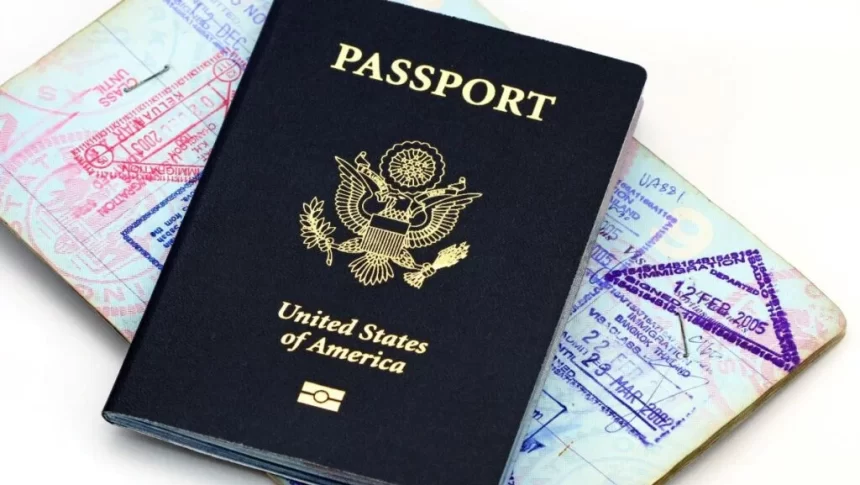
Mali has introduced a bond requirement of up to $10,000 for US citizens seeking business and tourist visas, mirroring a similar measure recently imposed by Washington. The move marks a fresh strain in relations between the two countries, despite recent attempts at rapprochement.
In a statement released on Sunday, Mali’s foreign ministry said the decision was taken in response to what it described as an ‘unilateral measure’ by the United States. The ministry confirmed that Bamako would ‘establish an identical visa programme’ to ensure reciprocity in its dealings with Washington.
The US embassy in Bamako had earlier said on Friday that the fee was introduced to ‘reinforce Washington’s commitment to protecting America’s borders and safeguarding US national security.’
Diplomatic thaw turns frosty
The visa dispute comes at a time when both nations had been seeking to improve relations. In July, senior US officials visited Mali to discuss cooperation on counterterrorism, regional stability, and economic investment. The talks reportedly included discussions over potential US access to Mali’s vast gold and lithium reserves.
However, ties have been fraught since Mali’s 2021 coup, which brought General Assimi Goïta to power. His government expelled French troops and aligned the country more closely with Russia, turning to Moscow-backed forces in the fight against jihadist insurgents.
Initially working with the Wagner Group, Bamako has since integrated Russian paramilitaries under the Kremlin’s rebranded Africa Corps, operating under Russia’s defence ministry.
Wider regional tensions
Mali’s new policy follows a pattern of souring relations between several West African nations and Washington. Last week, Burkina Faso’s military government refused to accept deportees from the United States after Washington suspended visa issuance in the country.
Burkina Faso’s foreign affairs minister, Karamoko Jean-Marie Traoré, criticised the US move as “blackmail”, claiming it came after he rejected a proposal to host migrants from third countries.
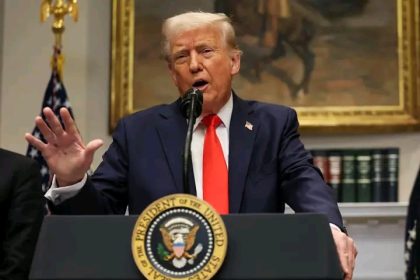
The Trump administration’s approach has seen African nations increasingly drawn into America’s immigration enforcement strategy. Under its ‘trade not aid’ foreign policy drive, Washington has sought to secure cooperation from African states to accept migrants deported from the US — a policy that has stirred resentment across the continent.
With Bamako’s latest move, Mali has joined a growing list of African governments asserting reciprocity in their diplomatic dealings with Washington, underscoring a new phase of assertiveness in West Africa’s foreign policy.
Credit: Africabrieifing