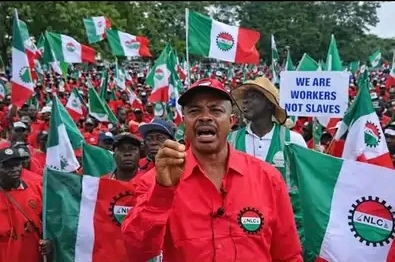
Civil servants under the Joint National Public Service Negotiating Council (JNPSNC), Trade Union Side, have given President Bola Ahmed Tinubu until September 30, 2026, to address worsening economic hardship affecting workers and their families.
The workers are demanding petrol prices of N500 per litre, an immediate wage award and upward reviews of salaries and allowances across the public service.
They also want the Federal Government to immediately establish a committee to negotiate a new National Minimum Wage ahead of its proposed implementation in January 2027.
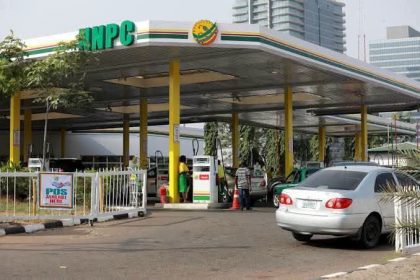
In a letter to President Tinubu at the State House, Abuja, the JNPSNC said petrol prices of N1,430 per litre and above in some areas had further worsened the cost-of-living crisis.
The council warned that rising costs were eroding workers’ purchasing power and creating growing tension among Nigerians.
Workers Reject Palliatives
The JNPSNC criticised the Federal Government’s reliance on food palliatives, arguing that such interventions were neither sustainable nor accessible to most Nigerians.
It said the removal of the petrol subsidy had contributed significantly to higher transportation, food and other living costs.
The council instead called for a broad intervention capable of reducing fuel prices and lowering the cost of goods and services across the economy.
Demand N500 Petrol
The workers identified the high cost of petrol as one of the major drivers of the current economic hardship.
They urged the government to establish a fuel intervention fund involving relevant stakeholders in the oil sector.
The proposed intervention, according to the council, should ultimately bring petrol prices down to N500 per litre.
The JNPSNC said the government could adopt another name for the intervention if it did not want to describe it as a fuel subsidy.
It argued that cheaper petrol would have a multiplier effect by reducing transportation and production costs across the country.
Council Backs NLC Position
The JNPSNC also endorsed proposals attributed to Nigeria Labour Congress (NLC) President Joe Ajaero on addressing the fuel crisis.
The proposals include supplying crude oil in naira to local refineries and expanding national crude storage capacity.
The council said government intervention could be justified during an economic emergency, particularly to strengthen energy security and support domestic refining.
It urged the Federal Government to consider the proposals for immediate implementation.
Workers Demand Wage Award
The council further demanded an immediate wage award for Federal, State and Local Government workers.
It said the measure should serve as an interim intervention before the proposed new National Minimum Wage takes effect in January 2027.
The JNPSNC also called on the National Salaries, Incomes and Wages Commission (NSIWC) to begin negotiations with organised labour and other stakeholders.
N500,000 Minimum Salary Proposed
The workers proposed N500,000 as the minimum monthly salary for an officer on Grade Level 01, Step 1, under the proposed 2027 salary structure.
They also demanded harmonised wages across Ministries, Departments and Agencies (MDAs).
The council called for corresponding salary reviews at the state and local government levels.
It further proposed periodic salary and allowance adjustments to reflect inflation.
Other demands include subsidised transportation and affordable housing for public servants.
Pressure for New Minimum Wage Talks
The JNPSNC wants negotiations for a new National Minimum Wage to begin immediately.
It said early negotiations would help ensure that the new wage structure is implemented without delay from January 2027.
The council argued that improved remuneration would help restore workers’ purchasing power, boost productivity and strengthen industrial peace.
It described public servants as central to government policy implementation and the delivery of essential services.
Tinubu Asked to Address Workers
The workers also urged President Tinubu to address their concerns in his forthcoming Independence Day broadcast.
They said they expected concrete action on their demands by September 30, 2026.
The council warned that failure to address the worsening economic pressures on workers could further increase tension across the country.