President Bola Ahmed Tinubu has said Northern Nigeria stands to be the biggest beneficiary of his administration’s economic reforms, citing infrastructure, trade and investment opportunity across the region.
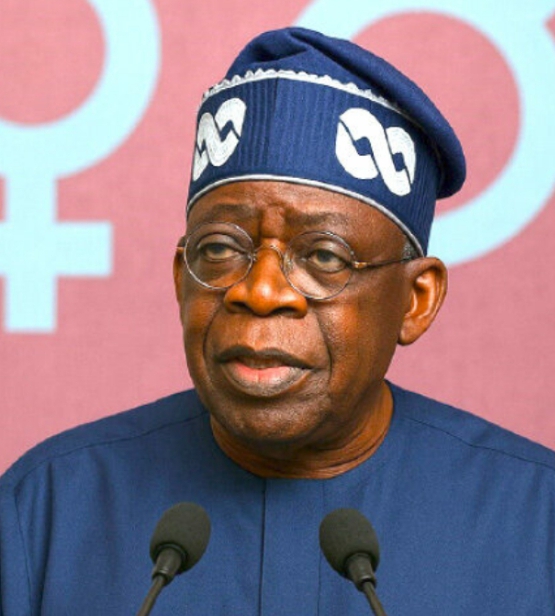
Tinubu stated this on Tuesday in a speech delivered by the National Chairman of the All Progressives Congress (APC), Professor Nentawe Yilwatda, who represented him at the second edition of the Policy Roundtable organised by the APC Professionals Forum.
The event tagged the Asiwaju Scorecard Series, had the theme, “Dissecting the Renewed Hope Deliverables and Achievements”.
The President said his administration inherited a difficult economic situation when it assumed office on May 29, 2023, including “fuel subsidy distortions, multiple exchange-rate windows, weak revenue mobilisation, foreign exchange shortages, rising debt service pressures and years of inadequate investment in critical infrastructure”.
He said the reforms implemented by his administration had begun to produce measurable results, noting that the country’s gross external reserves had risen to about $52.8 billion as of August 2026.
He also said Nigeria recorded real Gross Domestic Product growth of 4.43 per cent in the second quarter of 2026, while inflation had eased to about 15.5 per cent.
According to the President, the North’s geographical position gives the region a major advantage as Nigeria expands regional trade and develops new transport and energy infrastructure.
He said the North would be strategically positioned to trade more with neighbouring counties , including Niger, Chad, Burkina Faso, Cameroon, South Sudan and the Central African Republic.
Tinubu described the North as the major business destination in Nigeria, arguing that improved road, rail and energy connections would create opportunities for businesses and communities in the region.
Among the projects highlighted by the President are the Ajaokuta-Kaduna-Kano gas pipeline, the Lagos-Abuja-Kaduna -Kano transport corridor, the Sokoto-Badagry Super Highway and the proposed Calabar-Maiduguri Trans-Sahara Super Highway.
He also pointed to programmes such as the Nigerian Education Loan Fund (NELFUND), technical and vocational training schemes and CREDICORP credit initiative as measures intended to translate economic reforms into opportunities for ordinary Nigerians.
Tinubu urged Nigerians to consider the choice before the country ahead of the 2027 general elections, saying the electorate would have to decide between consolidating the reforms or reversing them.
“For All Progressives Congress, the answer is clear.We choose progress, productivity, investment, infrastructure, innovation, Nigerian enterprise, exports, human capital, and we choose President Bola Tinubu”, he said.
Tinubu’s assessment has drawn mixed reactions from groups in the North. The Area Consultative Forum (ACF) questioned the basis of the President’s claim, arguing that the socio-economic realities facing many Northern community do not support the description of the region as the biggest beneficiary of the reforms.
ACF cited challenges involving insecurity, agriculture, infrastructure, education and poverty.
The Middle Belt Forum (MBF) also questioned the claim, arguing that policies such as fuel subsidy removal and the introduction of Compressed Natural Gas affect Nigerians across the country and should not be presented as benefiting one region alone.
However, some Northern Christian leaders offered a different assessment.
Reverend John Hayab, Chairman of the Northern Christian Association, said the region had benefited from projects and interventions under the Tinubu administration.
He cited infrastructure projects and developments in Southern Kaduna as an examples of areas where he believes the region has recorded progress.
The disagreement highlights a wider question about how the impact of Tinubu’s economic reforms should be measured.
While the Federal Government’s points to economic indicators, infrastructure projects and investment opportunities, critics say the success of the reforms should also be judged by their impact on the daily lives of Nigerians, including food prices, transportation costs, employment, security and households income.
-9News Nigeria.