By Princely Onyenwe | Political Desk
As political consultations ahead of the 2027 Imo State governorship election gradually gather momentum, conversations across communities are increasingly shifting from party politics to the quality of leadership expected from those seeking to succeed Governor Hope Uzodinma.
While the agitation for the governorship to remain in Owerri Zone under the Charter of Equity continues to enjoy widespread public support, many residents insist that zoning alone will not determine electoral acceptance. According to political observers, competence, accessibility, generosity, humility and proven service to the people will ultimately influence voters’ decisions.
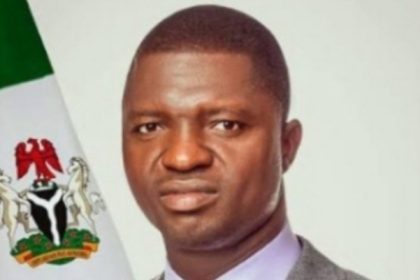
Among politicians whose records have continued to attract public debate is Senator Ezenwa Onyewuchi, representing Imo East Senatorial District. Despite his years in elective office, some residents have questioned what they describe as limited constituency visibility outside periods of major political activities, arguing that elected representatives should maintain consistent engagement with their constituents.
Political stakeholders interviewed by 9News Nigeria maintained that Imo voters are becoming more politically conscious and are likely to evaluate aspirants based on measurable projects, empowerment programmes, accessibility and responsiveness rather than political calculations or endorsements alone.
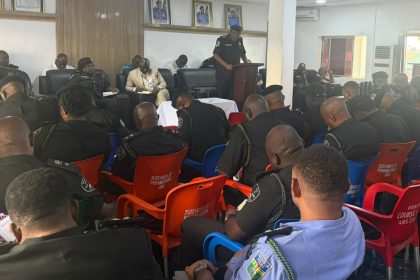
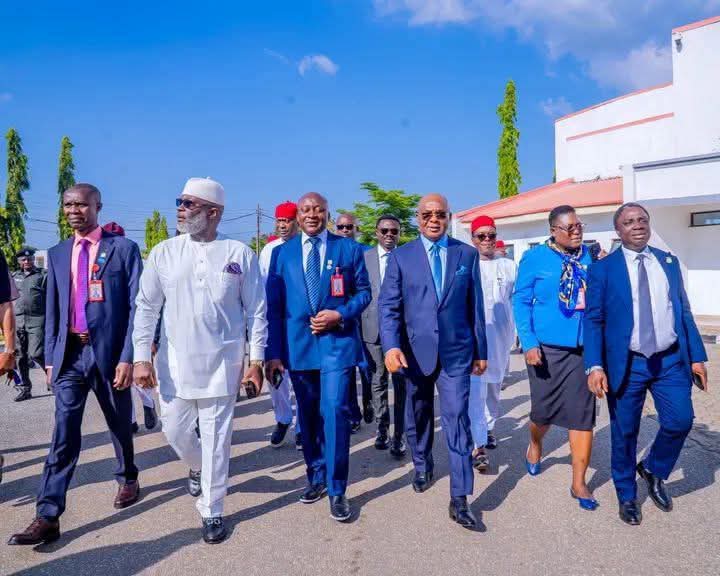
The discussion resurfaced following the recent commissioning of the NASENI Skills Acquisition Centre in Owerri North, facilitated by Senator Onyewuchi. During the event, Governor Hope Uzodinma described the senator as “not just the Senator representing Owerri Zone but the entire Imo State,” while commending the Federal Government and NASENI for expanding investments in science, technology and engineering development.
Governor Uzodinma also urged the host community and relevant authorities to safeguard the facility against vandalism, stressing that public infrastructure represents investments that must be protected for present and future generations.
Speaking at the commissioning, Senator Onyewuchi explained that the centre was established to equip young people with vocational and entrepreneurial skills capable of reducing unemployment and promoting self-reliance.
“Our goal is to teach our people how to fish, not just give them fish,” the senator said, adding that beneficiaries would receive support to establish small businesses after completing their training.
He further thanked President Bola Ahmed Tinubu for supporting NASENI’s mandate and commended Governor Uzodinma for facilitating the establishment of the centre in Imo State.
However, reactions from sections of the public have been mixed. While many residents welcomed the project as a valuable investment in youth development, others argued that constituents expect broader and more consistent intervention in infrastructure, healthcare, education, rural development and direct empowerment throughout an elected official’s tenure.
Some traditional rulers, community leaders and other stakeholders who attended the commissioning also expressed the view that future public events should place greater emphasis on youth participation, considering that the facility is primarily designed to benefit young people.
Political analysts say the emerging conversations reflect a broader shift in Imo politics, where voters are increasingly demanding evidence of performance rather than relying solely on political endorsements, campaign promises or last-minute empowerment initiatives.
As succession politics gradually unfolds within the All Progressives Congress (APC) and other political parties, many Imolites insist that whoever eventually emerges as Governor Uzodinma’s successor must demonstrate compassion, integrity, financial capacity, national reach, administrative competence and a verifiable record of service to the people.
For many observers, the 2027 governorship election may ultimately become a contest not of political calculations but of credibility, performance and public confidence.
Across party lines, aspirants are expected to convince Imo people that they possess both the vision and the character required to lead the state into its next phase of development.
As public expectations continue to rise, many voters believe that the era of election-season politics without sustained service delivery is gradually giving way to greater demands for accountability, accessibility and measurable performance.