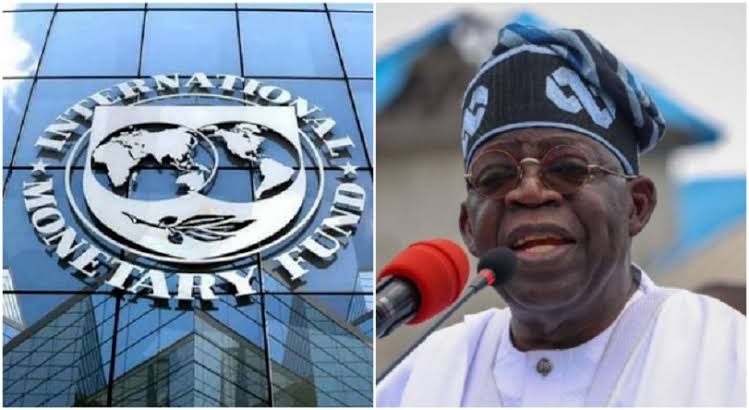
A new report has unveiled the top 20 African nations most indebted to the International Monetary Fund (IMF), with Egypt, Kenya, and Angola leading the list.
The data, which reflects current outstanding obligations, shows Egypt at the top with $5.47 billion in IMF debt, followed by Kenya with $2.21 billion and Angola at $2.01 billion.
Also on the list are Côte d’Ivoire ($1.86bn), Ghana ($1.79bn), the Democratic Republic of Congo ($1.29bn), and Ethiopia ($1.03bn), highlighting the widespread fiscal challenges many African economies continue to face.
Meanwhile, despite its position as Africa’s largest economy, Nigeria was notably absent from the top 20, a development analysts attribute to the country’s recent efforts to stabilize its macroeconomic environment and reduce reliance on external debt.
Since assuming office in May 2023, President Bola Ahmed Tinubu’s administration has prioritized economic reforms aimed at restoring investor confidence, attracting non-debt capital inflows and curbing Nigeria’s growing debt profile.
While Nigeria still faces significant debt challenges, particularly from bilateral and domestic sources, the country’s current stance of not accumulating new IMF debts shows a shift towards greater economic sovereignty and long-term sustainability.
The IMF debt rankings, however, reveal the deeper structural issues plaguing African economies, ranging from low revenue-to-GDP ratios to commodity dependence and political instability.
With countries like Ghana and Zambia already undergoing IMF-led restructuring programs, economists warn that without decisive internal reforms, the continent risks falling into a cycle of unsustainable borrowing and austerity.
Nigeria has distanced itself from heavy IMF borrowing, placing the country on a different course demonstrating fiscal discipline.