Report by Obinna Ejianya (9News Nigeria – Melbourne, Australia)
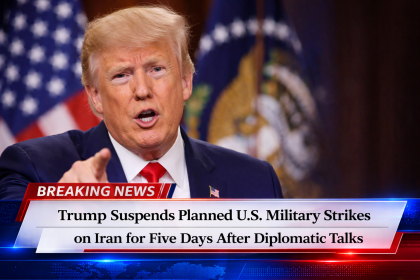
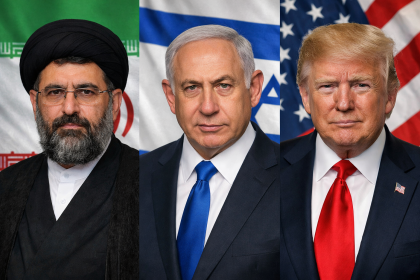
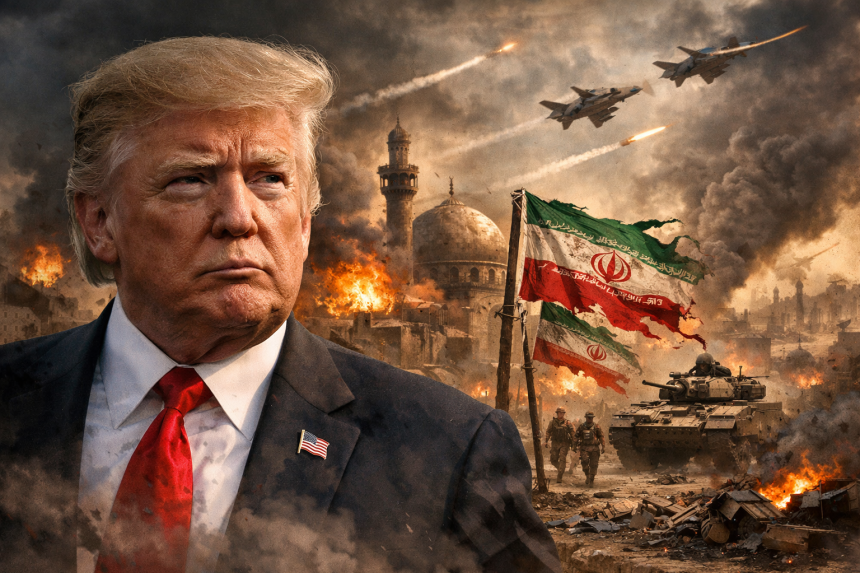
United States President Donald J. Trump has issued a dramatic 48-hour ultimatum to Iran, warning that Washington will launch strikes on the country’s major power infrastructure if Tehran fails to fully reopen the strategic Strait of Hormuz to international shipping.
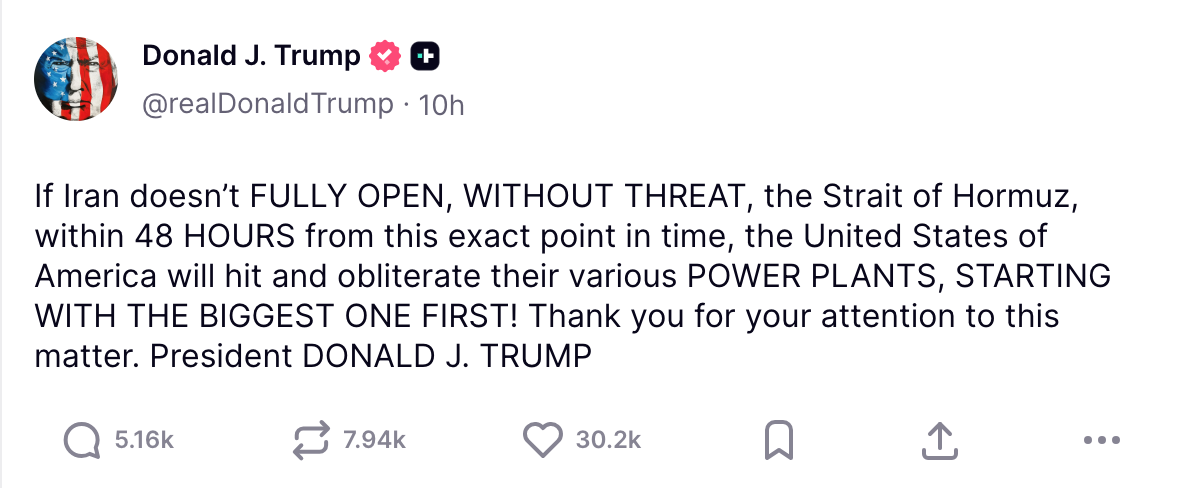
In a strongly worded message posted on his Truth Social account and monitored by 9News Nigeria’s foreign correspondent, Trump declared that the United States would “hit and obliterate” Iranian power plants, beginning with the largest facility, if the waterway is not reopened “fully and without threat” within the specified timeframe.
The warning marks one of the most direct escalation signals yet from Washington since the ongoing Middle East conflict intensified following weeks of missile exchanges between Iran, Israel and allied forces.
The Strait of Hormuz remains one of the world’s most critical maritime chokepoints, handling roughly 20 percent of global oil shipments, and its disruption has already triggered sharp volatility across energy markets and raised fears of a wider global economic shock.
Trump’s ultimatum comes amid reports that Iranian forces have effectively restricted passage through the channel to vessels linked to countries it considers adversaries, despite Tehran insisting that the route remains open to neutral shipping under coordinated arrangements.
International observers say the closure followed earlier joint U.S.–Israeli strikes on Iranian targets earlier in the conflict, after which Iran warned foreign vessels against transiting the corridor and claimed operational control of the strategic passage.
Military tensions have continued to rise across the region in recent days. Iranian missile strikes reportedly hit areas near Israel’s Dimona nuclear zone, injuring dozens, while Israeli forces responded with renewed air raids targeting sites in Tehran.
Washington’s latest threat has also been accompanied by indications that additional U.S. troops could be deployed to the Gulf region as part of contingency plans to reopen the shipping lane and protect maritime energy routes critical to global supply chains.
Iran, however, has warned that any direct attack on its infrastructure would trigger retaliation against American and allied energy, technology and desalination facilities across the Middle East, raising fears that the confrontation could rapidly expand beyond current battle lines.
Analysts say the standoff is already shaking global financial markets, with oil prices surging above $100 per barrel amid uncertainty over the security of Gulf export routes and the possibility of a prolonged disruption to maritime traffic through the corridor.
The crisis surrounding the Strait of Hormuz has become the central flashpoint in the ongoing regional war, now entering its fourth week, with casualties reported across multiple countries and millions affected by displacement and infrastructure damage.
As the 48-hour deadline counts down, diplomatic pressure is mounting on Tehran to ease restrictions on the vital waterway, even as both sides continue to exchange threats that risk pushing the conflict toward a broader confrontation with global consequences.
9News Nigeria will continue to monitor developments and provide real-time updates as the situation unfolds across the Middle East.