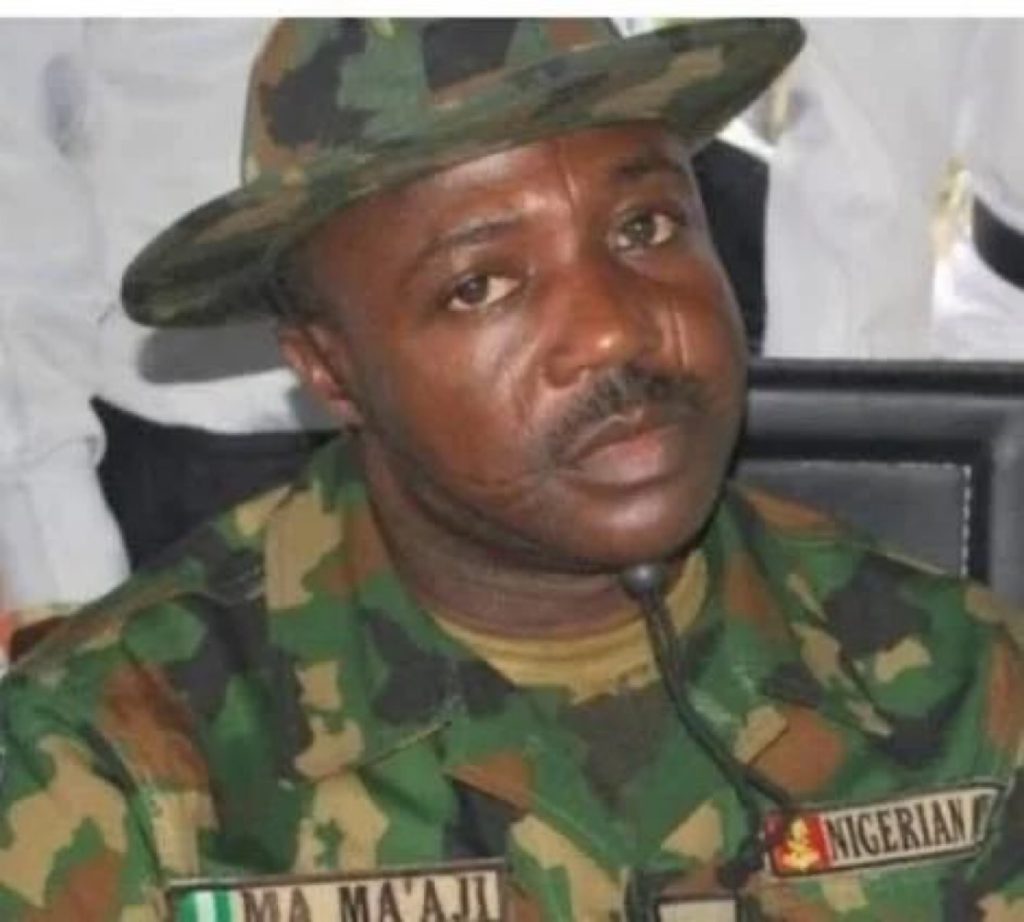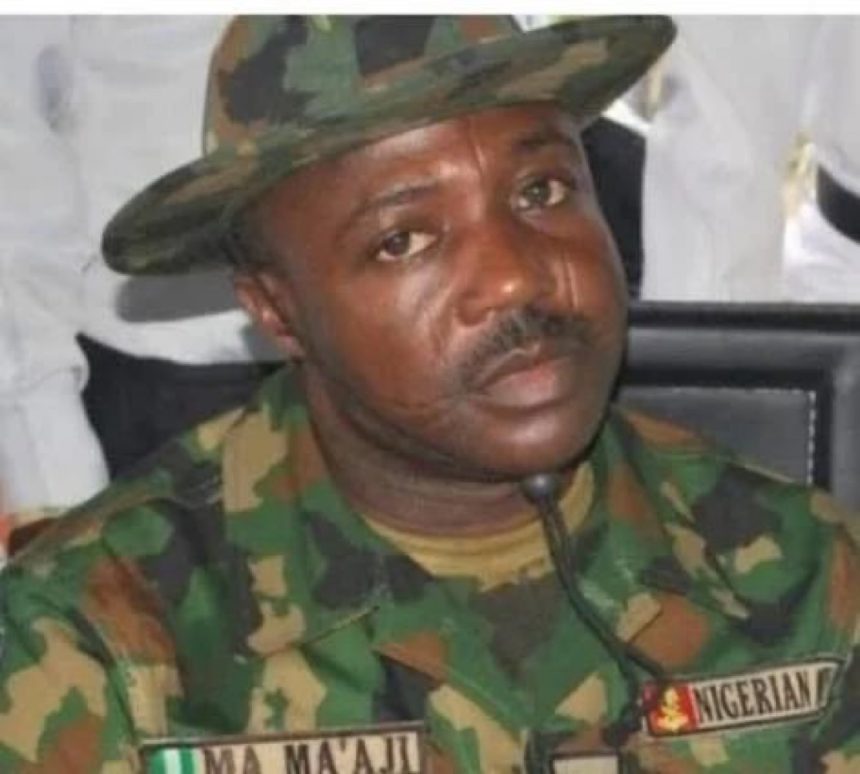
Nigerian Army Colonel Mohammed Ma’aji, accused of playing a central role in an alleged plot to overthrow President Bola Tinubu’s administration, has said his involvement was motivated by patriotism and frustration over the worsening condition of the country.
According to him, the motive was never a desire for personal power.
Ma’aji made the disclosure in an account contained in court records, as he appealed to the authorities to pardon him and other officers accused of participating in the alleged plot.
He said the initiative was driven by concerns about poor governance, insecurity, declining living standards and the welfare of military personnel.
The alleged coup plot came to public attention in late 2025 after military authorities detained a number of serving officers over suspicions that they were planning to overthrow the democratically elected government.
The alleged plan reportedly involved attempts to mobilise military personnel and seize control of key government institutions.
According to reports on the case, 16 military officers were detained during investigations into the alleged plot.
The officers reportedly included a brigadier-general, colonels, lieutenant-colonels, majors and junior officers.
The military initially described the arrests as part of a disciplinary investigation before the coup allegations turned public.
The alleged plot was reportedly linked to plans to disrupt the government and potentially assassinate senior officials before establishing a military government.
However, the reported plan did not materialise as the accused officers were subsequently subjected to investigations and legal proceedings.
Ma’aji, who has been described in reports as one of the key figures in the alleged scheme, said discussions about the movement had existed for some time and had even begun during the administration of former President Muhammadu Buhari.
He claimed that some individuals joined the discussions at different stages, while others eventually withdrew.
He also said that no definite date had been fixed for the execution of the alleged plan, disputing some accounts of the extent to which the plot had progressed.
While explaining his motivation, Ma’aji said the worsening economic and security situation had created deep frustration among some military personnel.
He also pointed to concerns over soldiers’ welfare, career progression and the condition of retired and wounded military personnel.
The colonel reportedly linked some of his frustrations to his military career, saying he had twice failed to secure promotion to the rank of brigadier-general.
He said some colleagues encouraged him to revive the movement following his second disappointment.
Additionally, Ma’aji criticised aspects of the government’s economic policies, including the manner in which fuel subsidy reforms were implemented.
He argued that the removal should have been gradual and called for measures to cushion its impact on ordinary Nigerians.
He also advocated improved welfare packages for serving personnel, expanded military health insurance, permanent housing schemes, better support for wounded soldiers and retired officers, and the revival of certain loan programmes for military personnel.
Ma’aji, despite admitting his involvement, maintained that the alleged movement was not driven by an ambition to take power for himself.
He appealed to the authorities to pardon him and the other accused officers, promising that they would not pursue such a course again and would instead use lawful channels to express their grievances.