Many women in the Federal Capital Territory, Abuja have turned their private car into informal taxes, popularly known as “Kabu-Kabu” to earn extra income.
Some female drivers told journalists in Abuja on Sunday that the move was necessitated by economic hardship, driven by the rising cost of commodity.
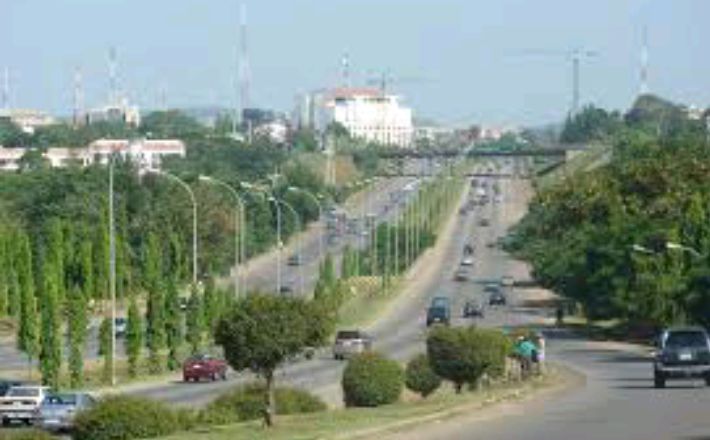
The trends is becoming more visible, with women in luxury cars seen at major junctions and bus stop across the city to pick up passengers.
A driver, Jane Nwaogara, said the development was largely driven by rising transportation costs following an increase in petrol pump prices.
“The economic hardship is biting hard I have so many bills to pay, including my children’s school fees, feeding, utility and medical bills, among others.
“Above all these is the worsening cost in pump price of petrol. My salary cannot settle all of these, so I need to find additional income, thus my involvement in the kabu-kabu business”, she said.
Similarly, Blessing Okafor, a mother of three who operates along Lugbe to Area 1 route, said she started conveying passengers earlier this year to cope with rising household expenses.
“I usually park at the Junction in the morning and evening. Sometimes people are surprised when they see a woman driving a Kabu-kabu, but it is the only way I can support my family”, she said.
Also Erica Ekeh said, “presently, I discovered that more female drivers, in their very posh cars, are beginning to flood major junctions where we park to also pick up passengers with their vehicles.
However, Economic analysts say the grow participation of women informal transport reflected broader economic realities.
An economist, Eric Eze, said that the worsening economic conditions in Nigeria was pushing more women into sectors traditionally dominated by men, just to generate income.
Eze said many households were turning to informal sector because wages had not kept pace with rising cost of living.
“When income is stagnant and prices and general cost of living keep rising, people naturally look for alternative ways to earn money.
“Women in particular, are increasingly entering transport and other informal businesses to maintain household stability.
“The expansion of informal taxi services may continue if economic pressures persist and public transportation system remain inadequate”, he said