By Princely Onyenwe | Political Desk
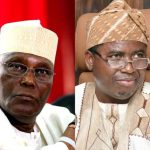
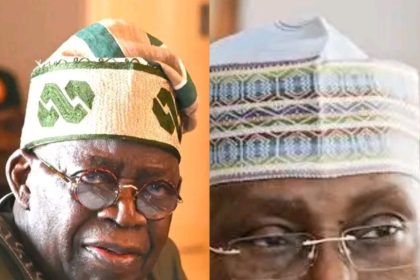
The political battle for the 2027 presidential election is gathering momentum as South-East governors intensify their support for President Bola Ahmed Tinubu’s re-election bid, raising fresh questions about the electoral strength of opposition figures, particularly former Anambra State Governor Peter Obi, in the region.
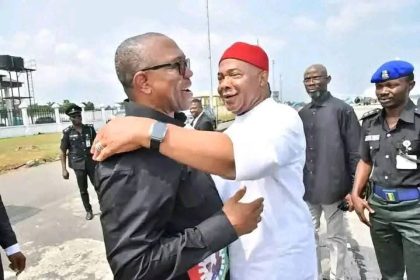
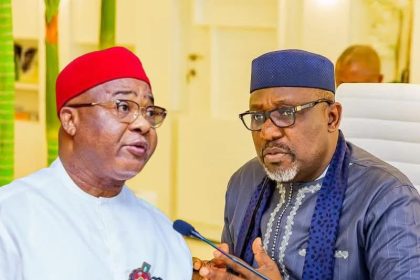
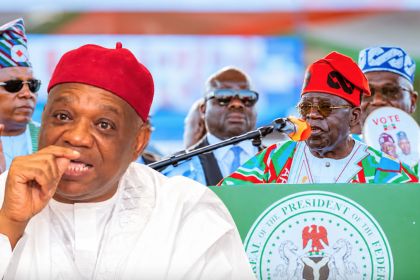
Governors Charles Soludo of Anambra, Hope Uzodimma of Imo, Peter Mbah of Enugu and Francis Nwifuru of Ebonyi have openly urged the people of the South-East to support Tinubu for a second term, arguing that continued collaboration with the Federal Government would advance the region’s political and economic interests.
The governors made their position known during the All Progressives Congress (APC) Women Mega Rally and Empowerment Programme for the South-East, held at Okpara Square, Enugu, on October 31, 2026.
Their renewed mobilisation has further strengthened the political calculations surrounding Tinubu’s re-election, especially following Governor Soludo’s November 7 declaration that he would work towards delivering at least 50 per cent of Anambra’s votes to the President in the 2027 election.
Soludo made the pledge during the flag-off of APGA’s 2027 national campaign in Awka, where he also announced that the party would not field a presidential candidate but would support Tinubu.
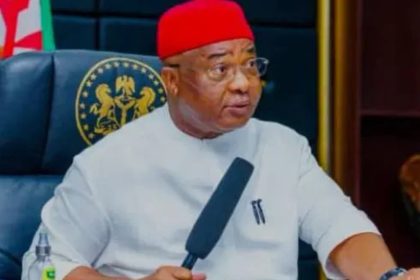
Governor Uzodimma, who chairs the South-East Governors’ Forum, has equally maintained that the region’s political interests are better served through strategic engagement with the Federal Government. He has repeatedly argued that Tinubu’s administration has demonstrated commitment to the South-East through infrastructure and economic initiatives.
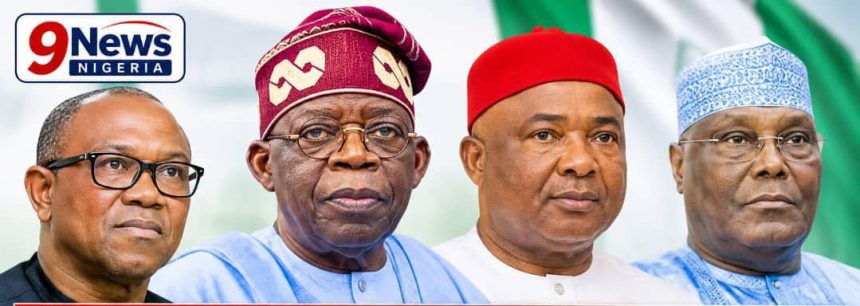
The development presents an interesting political equation for Peter Obi, whose popularity in the South-East became particularly evident during the 2023 presidential election. Although Obi remains a formidable opposition figure, the growing cross-party support for Tinubu suggests that the 2027 contest may not necessarily follow the same political pattern as the previous election.
The emergence of a coordinated Tinubu campaign structure across the region, alongside the involvement of governors and influential political stakeholders, could significantly alter the electoral calculations in the five South-East states of Abia, Anambra, Ebonyi, Enugu and Imo.
However, political endorsements by governors do not automatically translate into voters’ compliance at the ballot box. The ultimate test will be whether the political structures being assembled can translate their influence into actual votes.
The political argument advanced by Tinubu’s supporters is that the South-East cannot secure the presidency through regional voting strength alone without building strategic alliances with other geopolitical zones. They maintain that political inclusion, federal relationships and access to national decision-making structures are important considerations in determining the region’s future.
Tinubu’s supporters also point to Governor Uzodimma’s position within the APC’s national political structure as an additional advantage in coordinating the President’s re-election machinery.
Meanwhile, the legal uncertainty surrounding former Vice-President Atiku Abubakar’s 2027 presidential ambition has introduced another dimension to the opposition’s political calculations.
The Federal High Court in Abuja, on November 5, nullified the David Mark-led leadership of the African Democratic Congress (ADC) and invalidated decisions taken under it, including the process that produced Atiku as the party’s presidential candidate. However, the ADC has initiated an appeal and is seeking a stay of execution. Consequently, the legal battle is not yet concluded.
With Tinubu’s re-election machinery gaining momentum and opposition forces still navigating political and legal challenges, the South-East could become an important battleground in the 2027 presidential contest.
Whether Peter Obi’s political influence can withstand the growing alliance between Tinubu and influential South-East political leaders remains a major question ahead of the polls.
For now, the governors appear determined to make a political statement: that the South-East must look beyond regional sentiments and embrace strategic alliances in the struggle for national political relevance. Whether the electorate will endorse that calculation is another matter entirely.
For more inquiries on this news report contact 9News Nigeria on +234 08036856526