By Abubakar Haruna Muhammad(9News Nigeria Northeast)
Borno State is pushing to rebrand itself from a conflict zone to an investment destination.
In line with that agenda, the state governor, Prof. Babagana Umara Zulum is urging the United Nations, (UN) donors and the private sector to back long-term projects in agriculture, skills and enterprise.
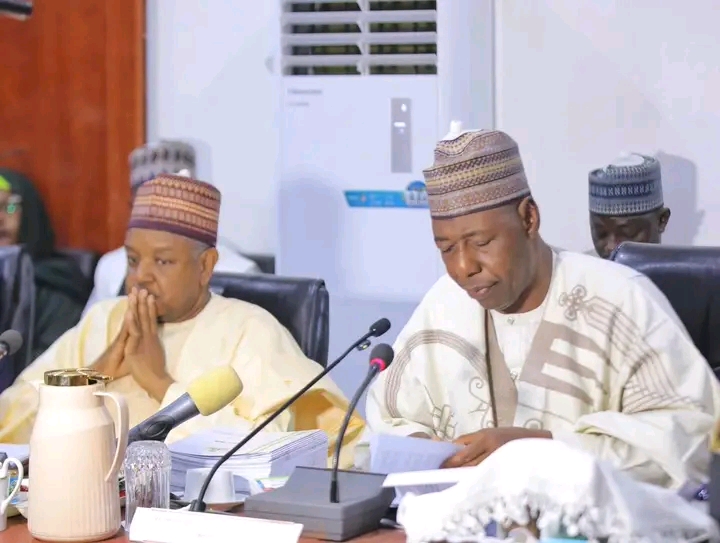
Speaking on Thursday at the 4th Project Board Meeting of the United Nations Offer to Support the Borno Model, held at the Government House in Maiduguri, Zulum said the state was at a “critical transition point” moving away from humanitarian response.
“With the right investment in infrastructure, skills and enterprise development, Borno can move from being viewed primarily through the lens of crisis to being recognized as a center of economic opportunity in the North-East,” the governor said.
The meeting, which also served as the Steering Committee Meeting of the Peacebuilding Fund, brought together a Federal Government delegation, the United Nations, development partners and donor agencies.
Zulum said the Borno Model legal framework, developed with the UN, would provide the institutional foundation needed to attract and sustain investment in peace, recovery and social cohesion.
He listed the state’s priority shift areas as rebuilding conflict-affected communities, restoring basic services, expanding education and skills development, creating jobs, and supporting women and young people.
The governor specifically called for increased investment in agriculture, small and medium-scale enterprises, vocational training, digital opportunities and value-chain development.
To back the pitch, Zulum disclosed that Borno has committed more than 70% of its budget over the last seven years to security, IDPs and refugees, and the reconstruction of schools, houses, health facilities, markets and livelihood programs.
“Our collective objective must now be to build on what has been achieved, scale up what works, and ensure that the people of Borno fully benefit from the transition from humanitarian assistance to medium- and longer-term sustainable and durable solutions,” he stated.
Zulum commended the UN, donor countries including Germany, the UK and Switzerland, and federal institutions such as the Office of the National Security Adviser and the Armed Forces for their support.
He also acknowledged the Minister of Budget and Economic Planning, Senator Abubakar Atiku Bagudu, UN Resident and Humanitarian Coordinator, Mr. Mohammed Fall; and UNDP Resident Representative, Ms. Elsie Attafuah.
Bagudu said the Northeast crisis should no longer be seen only as a humanitarian emergency, but as an opportunity for coordinated financing and long-term development.
“The challenges confronting the Northeast should not be viewed solely as humanitarian crises, but also as opportunities for long-term investment and sustainable development,” the Minister said.
He commended Zulum for “trusted leadership” in coordinating the state’s response and urged closer collaboration among federal and state governments, the UN and partners.
Mr. Fall and Ms. Attafuah reaffirmed the UN’s commitment to continue supporting the Borno Model and praised the governor’s leadership.
Zulum assured partners that his administration would provide the leadership and coordination needed to sustain programs beyond their project lifespan.