By Princely Onyenwe | News Desk
NIGERIA — A viral confrontation between Nigerian police officers and a zobo seller over the absence of a National Agency for Food and Drug Administration and Control (NAFDAC) registration number has triggered widespread public debate about food safety regulations, police authority and the regulation of locally produced beverages.
The controversy, which has attracted thousands of reactions across social media platforms since it was reported by Arise News and other media outlets, has taken on additional significance following the recent deaths of four students of the University of Nigeria, Nsukka (UNN), during an off-campus celebration in Enugu State.
In the viral footage, police officers were seen questioning a woman selling bottled zobo drinks and demanding that she produce the product’s NAFDAC registration number. One of the officers insisted that consumable products should carry the agency’s registration number, questioning whether he had the right to demand such documentation in the course of his duties.
However, a man who identified himself as a content creator challenged the officers, questioning their authority to demand the registration number from an ordinary zobo seller. The disagreement escalated into a heated exchange, attracting the attention of bystanders and generating sharply divided opinions online.
While some Nigerians supported the officers’ position, arguing that consumer safety should not be compromised, others questioned whether the police were overstepping their responsibilities by enforcing requirements that fall primarily within the jurisdiction of a specialised regulatory agency.
The Delta State Police Command’s spokesperson, Bright Edafe, defended the officers, maintaining that they were performing their duties and questioning why anyone would object to regulatory requirements governing consumable products.
However, NAFDAC’s spokesperson, Christiana Obiazikwor, offered an important clarification when the incident was brought to the agency’s attention. She explained that ordinary zobo sold in containers without commercial packaging, sealing and labelling does not fall under the agency’s product registration requirements. However, once a beverage is packaged, sealed and labelled for commercial distribution, it becomes subject to NAFDAC regulation.
The agency’s position has received further clarification in a report published by PUNCH Healthwise on Sunday, November 15, 2026. NAFDAC’s Resident Media and Communication Consultant, Sayo Akintola, reiterated that packaged food products, including locally produced zobo and tigernut drinks, must undergo the agency’s safety assessments and laboratory testing before being introduced into the market.
Akintola stressed that the registration requirement applies to businesses irrespective of their size where they manufacture, distribute or sell products within NAFDAC-regulated categories. The agency also warned that businesses that bypass applicable registration requirements risk having their products seized, their production facilities shut down and facing prosecution under the law.
The distinction is important because being a small-scale producer does not automatically exempt a business from regulatory obligations. Equally, the fact that a beverage is traditionally prepared does not make it immune from food safety standards once it enters the category of commercially packaged products.
The controversy has also raised a more significant question: can zobo drinks be banned or subjected to a blanket restriction because of the UNN tragedy?
The answer, based on the available evidence, is that there is presently no justification for linking zobo to the deaths or imposing a general prohibition on the traditional beverage.
Recall that four persons reportedly identified as UNN students died following an off-campus sign-out celebration at Hilltop Lodge in Nsukka on November 11, 2026, while six other attendees were rushed to hospitals for medical attention.
The Enugu State Police Command disclosed that the victims reportedly took ill after allegedly consuming alcoholic beverages at the gathering. Police spokesperson, Superintendent Daniel Ndukwe, confirmed that alcoholic beverages were recovered from the scene and that the remains of the deceased had been deposited in a mortuary for autopsy.
The university’s Vice-Chancellor, Professor Simon Ortuanya, also confirmed the incident and announced three days of mourning, describing the development as a tragedy.
However, the police investigation and autopsy findings remain crucial to establishing the actual cause of death. Until the investigations establish what happened, it would be irresponsible to attribute the deaths to a particular beverage or substance without supporting evidence.
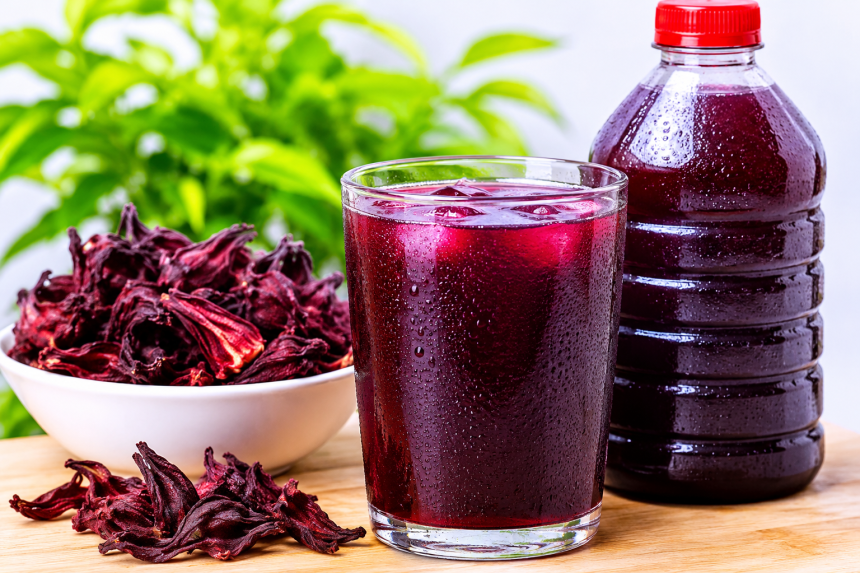
Zobo, a traditional Nigerian beverage prepared from dried hibiscus flowers and commonly flavoured with ginger, pineapple and other ingredients, is widely consumed across the country. Its safety, however, depends significantly on the quality of ingredients, water, preparation methods, hygiene, packaging and storage conditions.
Registered nutritionists have warned that contaminated water, unclean utensils, poorly washed ingredients, reused plastic bottles and inadequate refrigeration can expose consumers to harmful microorganisms. Poor storage can also encourage fermentation, spoilage and the growth of bacteria and mould.
These concerns make regulatory supervision important, particularly for beverages produced in commercial quantities and distributed to consumers without adequate quality control.
NAFDAC therefore has an important responsibility to ensure that regulated food and beverage products meet the required safety standards. Its mandate includes product registration, laboratory assessment, inspection and appropriate enforcement against businesses that violate applicable regulations.
Nevertheless, the viral confrontation raises questions about how such regulations should be enforced. While the police have a responsibility to maintain public order and investigate suspected offences, technical food registration and product safety assessments are primarily within NAFDAC’s statutory responsibilities. Police officers may assist in enforcing the law, but such interventions should be guided by clear legal authority and appropriate coordination with the relevant regulatory agency.
More importantly, Nigeria must avoid a situation where small-scale traders are unnecessarily intimidated because of inadequate public understanding of regulatory requirements, while commercially distributed products escape the safety checks designed to protect consumers.
The UNN tragedy has renewed concerns about what Nigerians consume at social gatherings and the need for stronger public awareness about the dangers associated with unsafe beverages, adulterated alcohol and potentially harmful substances.
The ongoing zobo controversy should therefore encourage a wider conversation about consumer protection, food safety education and responsible enforcement rather than an indiscriminate campaign against traditional drinks.
The fundamental question is not whether Nigerians should stop drinking zobo, but whether producers, distributors and regulatory authorities are doing enough to ensure that what enters the market is safe for human consumption.
For more inquiries on this news report contact 9News Nigeria on +234 08036856526