Report by Obinna Ejianya (9News Nigeria)
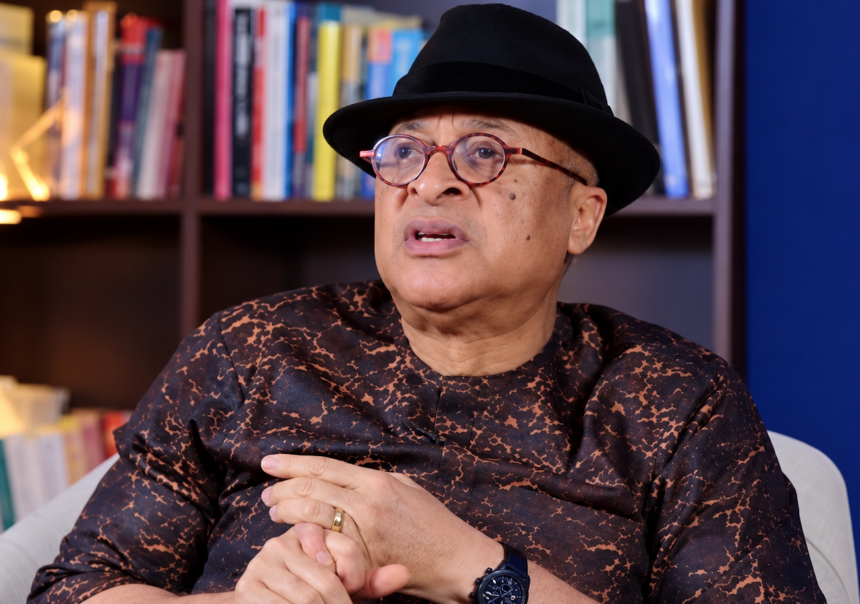
Political economist, Professor Pat Utomi, has questioned how Nigerians are managing to survive the country’s economic hardship, saying the gap between workers’ earnings and the cost of basic necessities raises serious concerns about their welfare.
In a video shared on X, Utomi expressed disbelief at the financial pressure facing ordinary workers and university professors, whose monthly salaries, he said, could be substantially depleted by electricity bills alone.
“How is it possible that people are still alive and going?” he asked.
Using university professors as an example, Utomi questioned how much an academic could reasonably afford after paying for power, transportation and other essential needs. He estimated that some professors earned about ₦500,000 monthly, while electricity expenses could consume between ₦150,000 and ₦200,000 of that income.
His remarks presented a picture of households spending a substantial share of their earnings on a single necessity, leaving limited funds for feeding, accommodation, healthcare, children’s education and other responsibilities.
Utomi also drew attention to Nigerians earning less than ₦100,000 a month, contrasting their income with the cost of filling his vehicle’s fuel tank. He said the amount required to fill the tank was more than twice that monthly income, questioning how people on such wages could cope with everyday expenses.
In the accompanying post, Utomi compared Nigeria’s wages and petrol prices with those of other oil-producing countries, arguing that the country’s natural resources had not translated into sufficient protection for struggling citizens.
He cited Libya, where he put the price of petrol at ₦32 per litre and the monthly minimum wage at $208, which he estimated at approximately ₦276,000. He also cited Saudi Arabia, putting petrol at about ₦823 per litre and an estimated monthly minimum wage at ₦1.4 million.
Utomi contrasted those figures with Nigeria’s ₦70,000 national minimum wage and petrol prices which, according to his post, ranged between ₦1,300 and ₦1,900 per litre in some locations.
The international wage figures, fuel prices and currency conversions were presented as Utomi’s comparisons and were not independently established for this report. Wage arrangements, eligibility rules and living costs also differ across the countries mentioned.
Nigeria’s ₦70,000 national minimum wage became law in July 2024, following negotiations between the Federal Government and organised labour. However, labour leaders have continued to press for an increase, arguing that prevailing living costs have weakened its purchasing power.
Utomi further pointed to Norway as an example of an oil-producing country that uses petroleum wealth to support public welfare. He argued that Nigerians should similarly experience tangible benefits from the country’s abundant resources.
According to him, even workers earning ₦100,000 monthly remain under considerable financial strain and struggle to meet basic needs.
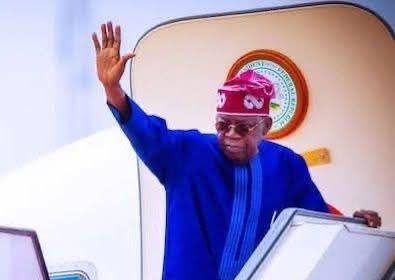
Turning his criticism directly at President Bola Tinubu, Utomi questioned whether the administration sufficiently appreciated the difficulties confronting millions of households.
“But does the President care? How does he even sleep at night, knowing that millions of Nigerians are struggling to survive in a country blessed with abundant natural resources?” he wrote.
His comments place renewed attention on the affordability of basic necessities and whether workers’ earnings can sustain their households, with electricity and petrol costs central to the concerns he raised.