By Chinedum Anayo | Abuja, 9News Nigeria
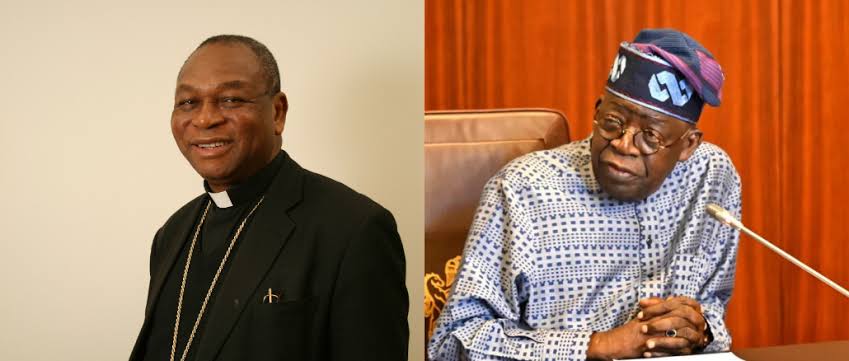
Fresh details have emerged from the recent closed-door meeting between President Bola Tinubu and the Catholic Bishops’ Conference of Nigeria (CBCN).
Archbishop Emeritus of Abuja, John Cardinal Onaiyekan, has revealed what transpired behind the doors of the Presidential Villa and the President’s response to the concerns raised by the bishops.
Speaking in a television interview days after the meeting, Cardinal Onaiyekan disclosed that the Catholic bishops delivered what he described as an honest assessment of the country’s condition.
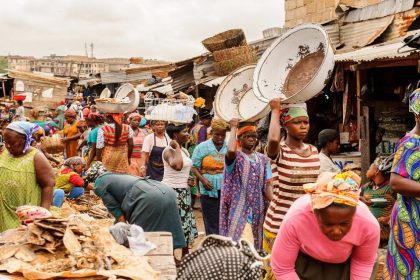
They told President Tinubu that millions of Nigerians were enduring severe hardship amid worsening insecurity and economic challenges.
According to the Cardinal, the bishops painted a grim picture of a nation weighed down by hunger, poverty, unemployment and fear, urging the President to intensify efforts to reverse the trend and restore hope to citizens.
“Our duty was to tell him what we see and what Nigerians are passing through,” the Cardinal said, explaining that the bishops spoke frankly during the presidential engagement.
However, he revealed that President Tinubu rejected the bishops’ assessment, insisting that his administration was making steady progress and that the country’s trajectory was improving despite prevailing challenges.
“The President made it clear that he did not agree with us,” Cardinal Onaiyekan disclosed.
He added that the bishops were not disappointed by the President’s position because they neither attended the meeting to flatter the government nor to secure its endorsement of their views.
Instead, he said, the bishops considered it a moral obligation to present the realities confronting ordinary Nigerians.
The Cardinal’s disclosure has since ignited widespread national debate, with many Nigerians praising the Church for speaking candidly on issues affecting citizens, while others, especially government officials, questioned whether details of a private meeting with the President should have entered the public domain.
The controversy deepened after the Presidency pushed back against the Cardinal’s comments.
Presidential spokesman Bayo Onanuga faulted the Archbishop Emeritus for publicly discussing the contents of the meeting, describing the disclosure as inappropriate and arguing that conversations held in confidence between the President and religious leaders should remain confidential.
The Presidency maintained that President Tinubu remains focused on implementing reforms aimed at stabilising the economy, improving security and delivering long-term prosperity, insisting that the administration’s policies should be judged by their outcomes.
The exchange has further fuelled public discussion over the state of the nation, particularly as many households continue to grapple with rising food prices, inflation, unemployment and insecurity.
For the Catholic Church, the meeting was another opportunity to fulfil what it regards as its prophetic responsibility to speak truth to power.
For the Presidency, it was an opportunity to defend its policies and reassure citizens that difficult reforms would ultimately produce lasting benefits.
Having both sides stand by their positions, Cardinal Onaiyekan’s account has become one of the most talked-about political stories in the country.
It has reignited conversations about transparency, accountability and the role of religious leaders in shaping Nigeria’s national discourse.