On April 28, 2025, the Iberian Peninsula experienced a historic blackout that left nearly the entire region—including mainland Portugal and peninsular Spain without electricity for close to ten hours.
While the disruption brought much of the region to a halt, swift emergency responses and efficient grid management ensured restoration efforts began almost immediately, with full power restored to most areas by the end of the day.
In stark contrast, Nigeria continues to grapple with chronic electricity supply issues that have persisted for decades.
In many parts of the country, blackouts lasting days or even weeks are not uncommon, and millions of citizens have never experienced 24-hour uninterrupted power.
According to the World Bank, Nigeria loses over $29 billion annually due to unreliable power, affecting businesses, health care, and daily life.
The Iberian blackout, though brief by Nigerian standards, drew global attention precisely because such an occurrence is rare in developed economies.
It exposed vulnerabilities in even the most advanced grid systems, yet also highlighted the strength of their infrastructure, planning, and crisis management.
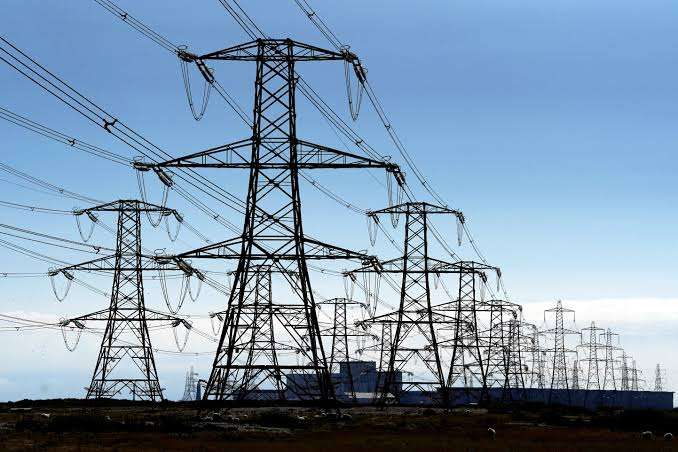
However, in Nigeria, systemic underinvestment, policy inconsistencies, vandalism, and an over-reliance on gas-fired generation have left the national grid fragile.
Only recently, in March 2025, the Nigerian grid collapsed for the third time in four months, plunging nearly the entire country into darkness yet again.
While authorities in Spain and Portugal swiftly launched investigations into the root cause of the blackout, Nigeria’s power crises often fade into routine headlines, with minimal accountability or long-term structural reform.
For Nigeria, they offer a sobering point of comparison and a challenge to move beyond temporary fixes toward sustainable power sector reforms.