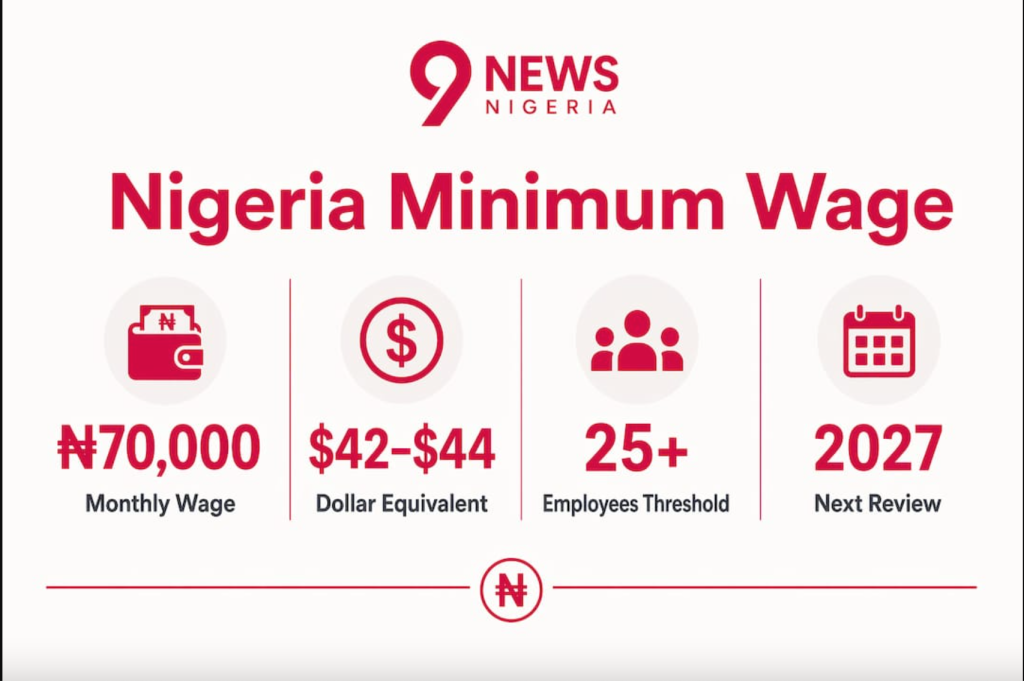
Nigeria’s minimum wage is legally defined as ₦70,000 per month under the National Minimum Wage (Amendment) Act 2024, and it remains in force as of July 2026. That figure converts to roughly $42–$44 at current exchange rates, a number that tells a stark story about naira depreciation and inflation. State governments have complicated the picture further, with some paying well above the federal floor and others still struggling to meet it. For Nigerian workers navigating salary negotiations, job offers, or labor rights, understanding where the law stands and where it is heading is not optional. It is the baseline for protecting your income.
How is the minimum wage in Nigeria applied across states?
State implementation of the federal wage floor is uneven, and the gap between states is wider than most workers realize. Minimum wage application depends on state legislation or executive mandates, meaning the federal law sets a floor but does not automatically enforce uniform compliance nationwide. A worker in Lagos earns a different statutory minimum than a worker in Kebbi, even though both are Nigerian citizens covered by the same federal act.
The states that have moved above the ₦70,000 federal floor include:
- Lagos State: ₦85,000 per month, reflecting the higher cost of living in the commercial capital
- Imo State: ₦104,000 per month, the highest confirmed state minimum wage as of April 2026
- Ebonyi State: ₦90,000 per month, a notable increase above the national benchmark
Several northern states have not fully implemented even the ₦70,000 benchmark. Fiscal constraints, smaller formal sector workforces, and local political dynamics all contribute to delayed or partial compliance. Workers in those states often receive wages below what federal law technically mandates, with little immediate recourse.
The practical implication is direct. Your location in Nigeria determines your statutory wage protection more than the federal law alone. A worker relocating from Kano to Lagos for a minimum wage job could see a statutory pay increase of ₦15,000 per month without any change in job title or responsibilities.
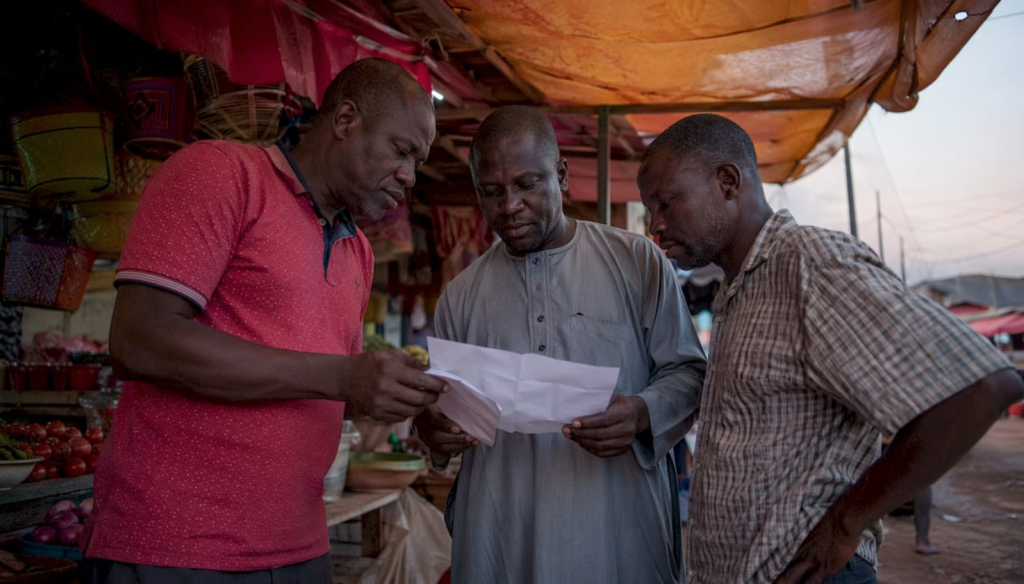
Pro Tip: Before accepting any job offer, ask the employer explicitly which wage schedule applies. State-level mandates can differ from the federal floor, and knowing the local rate gives you a factual basis for negotiation.
What does the minimum wage mean for living standards in Nigeria?
The ₦70,000 monthly wage falls well short of what it actually costs to live in Nigeria. A livable wage for a single adult in mid-sized Nigerian cities ranges from ₦140,000 to ₦290,000 per month. That means the statutory minimum covers, at best, half of what a single person needs to meet basic expenses.
Inflation exceeding 33% and sustained naira depreciation have eroded the real value of the ₦70,000 wage since the 2024 amendment took effect. The wage buys less today than it did when it was signed into law. Food prices, transportation fares, and rent have all risen significantly in that period.
The expense categories hitting minimum wage workers hardest are:
- Housing: Rent in Lagos, Abuja, and Port Harcourt consumes a disproportionate share of a ₦70,000 monthly income
- Transportation: Daily commuting costs in urban centers can absorb ₦5,000–₦10,000 per month or more
- Food: Staple food prices have risen sharply, with market inflation outpacing wage growth
- Healthcare: Out-of-pocket medical costs remain high for workers without employer-sponsored coverage
The Nigeria Labour Congress and the Trade Union Congress have both pushed back against the current wage floor. Trade unions have called for a living wage closer to ₦154,000 per month, arguing that the ₦70,000 figure was already inadequate at the time of its passage and has only grown more so since.
The gap between the statutory minimum and a genuine living wage is not a marginal shortfall. At best, ₦70,000 covers half the estimated cost of living for a single adult in a mid-sized Nigerian city. At worst, it covers less than a quarter for workers supporting families.
The dollar equivalent of ₦70,000 sits at approximately $42–$44. That figure places Nigeria’s minimum wage among the lowest in sub-Saharan Africa when measured in purchasing power terms, a fact that labor advocates cite regularly in wage review negotiations.
What are the legal nuances and exceptions in Nigeria’s minimum wage law?
The 2024 amendment applies nationwide, but it carries exemptions that affect a significant portion of the Nigerian workforce. Businesses with fewer than 25 employees are exempt from the minimum wage law. Sole trader family businesses are also exempt. These carve-outs mean that millions of workers in small enterprises have no statutory wage floor protecting them.
Key legal details every worker should know:
- The law covers employees in formal sector businesses with 25 or more staff
- Sole proprietorships run as family businesses fall outside the law’s scope
- The standard workweek is 40 hours, placing the effective hourly rate at approximately ₦404, or about $0.24
- The review cycle is now three years, reduced from the previous five-year cycle to allow faster responses to economic changes
- The next statutory review is scheduled for 2027, though labor unions are pressing for an earlier review in 2026
Enforcement varies significantly by state. Some state governments have labor inspection units that actively monitor compliance. Others rely almost entirely on worker complaints, which means violations in small or informal workplaces often go unaddressed.
Pro Tip: If your employer has 25 or more staff and pays below ₦70,000 per month, you have a legal basis to file a complaint with the state Ministry of Labour. Document your pay slips and employment contract before approaching any official body.
Employers also carry costs beyond the gross salary. Total employer cost for a minimum wage worker includes pension contributions, NSITF, ITF, and NHIS contributions, adding roughly 11–21% on top of the ₦70,000 base. That means the true cost of employing a minimum wage worker sits between ₦77,700 and ₦84,700 per month for compliant employers.
What future changes are shaping Nigeria’s minimum wage policy?
The current wage floor is already under formal pressure from multiple directions. The Nigeria Governors’ Forum proposed a new national minimum wage of ₦100,000 in May 2026, citing inflation and the rising cost of living as the primary drivers. That proposal represents a 43% increase over the current ₦70,000 floor and signals that even state executives acknowledge the current rate is insufficient.
Trade unions are pushing further. The Nigeria Labour Congress has demanded a minimum wage closer to ₦154,000, framing it as the threshold for a genuine living wage rather than a bare statutory floor. The gap between the governors’ proposal and the unions’ demand is ₦54,000 per month. That gap is where the political negotiation will play out.
“The government is committed to working with organized labor as partners in the wage review process, not as adversaries.” — Speaker Abbas Gbajabiamila, referencing the government’s position on the next wage review
State governors face a real fiscal constraint. Raising the minimum wage increases the public sector wage bill, which competes directly with spending on infrastructure, healthcare, and education. State governors balance wage increases against the risk of cutting services that workers also depend on. That tension explains why proposals move slowly even when political will exists.
The three-year review cycle now embedded in law gives labor unions a formal window to demand adjustments before economic conditions outpace the wage floor entirely. Unions are arguing that the 2026 inflation environment justifies an early review ahead of the 2027 statutory deadline. Whether the government agrees will depend on the outcome of ongoing tripartite negotiations between federal authorities, state governments, and organized labor.
Key Takeaways
Nigeria’s statutory minimum wage of ₦70,000 per month covers less than half the estimated living cost for a single adult, making the ongoing review process a matter of economic survival for millions of workers.
| Point | Details |
|---|---|
| Current statutory minimum | ₦70,000 per month under the National Minimum Wage (Amendment) Act 2024, equivalent to roughly $42–$44. |
| State-level variation | Lagos pays ₦85,000, Imo pays ₦104,000, and several northern states have not fully implemented the federal floor. |
| Living wage gap | A livable wage for a single adult in mid-sized Nigerian cities ranges from ₦140,000 to ₦290,000, far above the statutory minimum. |
| Legal exemptions | Businesses with fewer than 25 employees and sole trader family businesses are exempt from the minimum wage law. |
| Upcoming review | The next statutory review is set for 2027, but unions are pushing for an early revision in 2026 given inflation above 33%. |
The wage floor is a ceiling for too many Nigerian workers
The ₦70,000 minimum wage was a political achievement when it passed in 2024. The problem is that it became inadequate almost immediately. Inflation above 33% and a weakening naira meant the real value of that wage started shrinking before most employers had even adjusted their payrolls. The law set a floor, but economic conditions turned that floor into a ceiling for millions of workers who cannot negotiate above it.
What concerns me most is the enforcement gap. The exemption for businesses with fewer than 25 employees is not a minor technical detail. A large share of Nigeria’s workforce is employed in small enterprises, and those workers have no statutory protection at all. The law’s reach is narrower than its headline figure suggests.
The governors’ proposal of ₦100,000 is a step in the right direction, but it still falls short of what unions calculate as a genuine living wage. The three-year review cycle is a structural improvement over the old five-year timeline, but it only helps if the government actually uses the window to make meaningful adjustments. Workers should not wait for the next review to understand their rights. Staying informed about state-level wage mandates, employer obligations, and union negotiations is the most practical form of self-protection available right now.
— 9News
Stay informed on Nigeria’s wage laws with 9newsng
Nigerian workers cannot afford to miss updates on wage negotiations, government announcements, or labor policy changes. The difference between knowing and not knowing can be thousands of naira per month.
9newsng covers Nigeria’s labor and wage policy with the depth and consistency that workers and employers need. From federal wage amendments to state-level implementation disputes, 9newsng reports on the developments that affect your paycheck directly. Bookmark 9newsng and check back regularly for breaking news on the next minimum wage review, union negotiations, and any early revision announcements expected before the 2027 statutory deadline.
FAQ
What is the current minimum wage in Nigeria?
The current minimum wage in Nigeria is ₦70,000 per month, set by the National Minimum Wage (Amendment) Act 2024 and still in effect as of july 2026.
Which Nigerian state pays the highest minimum wage?
Imo State pays the highest confirmed minimum wage at ₦104,000 per month, followed by Ebonyi at ₦90,000 and Lagos at ₦85,000.
Are all Nigerian workers covered by the minimum wage law?
No. Businesses with fewer than 25 employees and sole trader family businesses are exempt from the law, leaving many workers in small enterprises without statutory wage protection.
When is Nigeria’s next minimum wage review?
The next statutory review is scheduled for 2027, but trade unions are pushing for an earlier review in 2026 due to inflation exceeding 33% and continued naira depreciation.
What wage do Nigerian trade unions consider a living wage?
The Nigeria Labour Congress has demanded a minimum wage of approximately ₦154,000 per month, arguing that the current ₦70,000 floor does not cover basic living costs for a single adult.