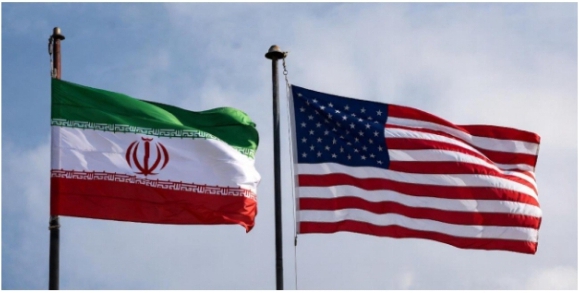
The United States and Iran have reportedly reached a tentative agreement on a 60-day memorandum of understanding aimed at extending the current ceasefire and reopening negotiations over Tehran’s nuclear programme.
According to reports by Axios cited by Al Jazeera, the proposed agreement is still awaiting final approval from former US President Donald Trump, who continues to play a major role in Washington’s Middle East strategy.
The reported deal is expected to temporarily halt further escalation between both countries while creating room for renewed discussions on Iran’s nuclear activities and broader regional security concerns.
The diplomatic development follows weeks of heightened military confrontation involving Iran, Israel and the United States, a crisis that pushed the Middle East close to a wider regional war.
The conflict reportedly began on February 28 after coordinated US-Israeli strikes targeted Iranian military facilities, prompting retaliatory missile attacks from Tehran.
During the confrontation, the United States reportedly deployed more than 200 Terminal High Altitude Area Defense (THAAD) interceptors to help defend Israel against Iranian ballistic missile attacks.
American naval forces stationed in the eastern Mediterranean were also said to have launched over 100 Standard Missile-3 and Standard Missile-6 interceptors during the military operation.
The extensive use of advanced missile defence systems has reportedly raised concerns within the Pentagon over declining US missile stockpiles and America’s long-term military readiness, especially amid growing tensions in East Asia.
THAAD remains one of the most sophisticated missile defence systems in the US arsenal and is specifically designed to intercept ballistic missiles during the final stage of flight. Reports indicate that each interceptor costs more than $12 million.
Although details of the proposed agreement remain unclear, the ceasefire framework is believed to reflect increasing pressure on all sides to avoid a prolonged conflict capable of destabilising global oil markets and triggering wider geopolitical consequences. Neither the White House nor Iranian authorities had officially confirmed the report as of Thursday evening.