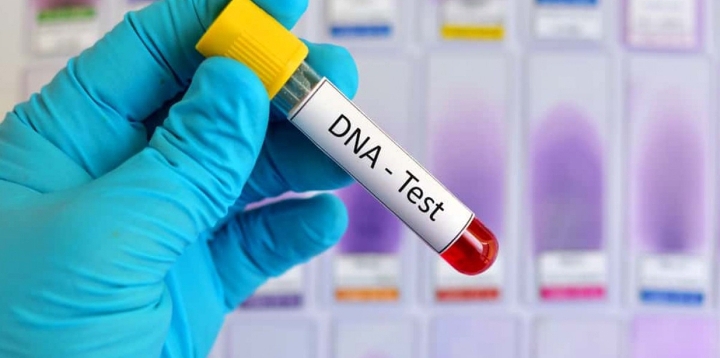
About one in four paternity tests conducted by Smart DNA Nigeria returned negative results in its 2025/2026 reporting period, its latest annual DNA Testing Report has revealed.
In a statement on Sunday in Lagos, it confirmed 23.6 per cent of the recorded paternity test outcome were negative, meaning the tested man was not the biological father.
According to the report, the negative paternity outcome declined marginally from 24.0 per cent in the proceeding year and 26.1 per cent in 2023.
The report, however, cautioned against interpreting the figure as evidence that one in four Nigerian children is not the biologically related to the man regarded as the father, stressing that its clients were people who developed sufficient doubts or reasons to seek DNA testing.
Smart DNA’s Marketing Manager, Chukwudi Eze, said the focus should not only be on the “one in four” negative results but also on the fact that three out of every four men tested were confirmed as the biological fathers.
Eze said: “The number people talk about is one in four. “But the number they should be talking about is three in four”.
He noted that most of the men who sought testing in spite of their doubts were ultimately confirmed as biological fathers.
The report also revealed that 87 per cent of DNA tests conducted were “Peace of Mind tests” representing private, self-initiated tests undertaken outside legal, immigration or court proceedings. It said proportion increased from 83.7 per cent in the preceding reporting period, indicating that personal concerns and the desire for certainty largely drove DNA testing in Nigeria.
Immigration-related tests accounted for 9.7 percent, legal tests 1.9 per cent, avuncular tests one per cent, while prenatal testing represented 0.4 per cent of the recorded cases.
Smart DNA Operations Manager, Elizabeth Digia, said many clients approached the centre because because they wanted answers to personal questions they found difficult to discuss with others.
Digia stressed the need to handle such cases with dignity and avoid sensationalising the results.
The report further showed that older men accounted for the majority of male clients seeking DNA tests, with men aged 41 years and above representing 48 per cent of age-classified male records.
Men aged between 31 and 40 accounted for another 35.8 per cent, meaning that men above 30 constituted 83.8 per cent of the male testing population.
On the other hand, 59.5 per cent of tested individuals were children aged five years and below, a figure that remained virtually unchanged from the previous reporting period.
The company said the concentration of testing among young children suggested that many families preferred to resolve questions surrounding biologically relationships early, although the data could not establish the reasons behind the trend.
Geographically, Lagos accounted for 75.1 per cent of all classified cases, rising from 75.1 per cent of all classified cases, rising from 69 per cent in the preceding period.
Lekki recorded the highest number of named locations in Lagos, followed by Ajah, Ikorodu, Yaba, Ikeja, while Lagos Mainland accounted for 61.6 per cent of Lagos cases with specific classifications.
Ogun State recorded the highest testing activity, followed by Delta, Oyo, Rivers, Enugu, Edo, Imo and Kwara.
The report said testing activity outside Lagos increased during the period, suggesting that awareness and demand for DNA testing were gradually spreading across other parts of the country.
The report further revealed that men initiated 78.6 per cent of recorded first contacts with the company, compared with 15.2 percent of women.
The ethnic distribution of clients was led by Yoruba at 52.6 per cent, following by Igbo at 29.1 per cent, Edo at 5.8 per cent and combined 5.4 per cent for Delta, Ijaw, Isoko, and Itsekiri groups, while the Hausa accounted for one per cent.
The company said the figures reflected its geographical and client based rather than differences in paternity behaviour among ethnic groups, as it warned that its findings should not be generalised to the entire Nigerian population, stressing that its clients were not a random sample of Nigerian families.
It stressed that 23.6 per cent negative result represented its testing population, a group bin which doubts about biological relationship already existed and therefore could not be used to estimate the prevalence of non,- paternity across Nigeria.
The report maintained that while DNA testing could provide highly accurate answers to biological questions, it could not independently explain the social, cultural, economic or relationship circuits that led families to seek such tests.
It urged the public to rely on evidence rather than rumours or sensational claims when discussing paternity testing and family relationships in Nigeria.
-9News Nigeria.