By Nze Emmanuel Ehirim | Guest Writer
Ovie Omo-Agege’s reported warning against electoral manipulation ahead of the 2027 general elections reflects a dangerous erosion of confidence in Nigeria’s democracy. However, a “fire for fire” approach cannot replace credible institutions. Resorting to violence would only punish citizens already betrayed by electoral malpractice.
The solution begins with an electoral umpire whose independence is beyond suspicion. In Britain, Electoral Commissioners are appointed by the King following recommendations from the House of Commons through a process overseen by the Speaker’s Committee, rather than through the personal selection of the Prime Minister.
In Nigeria, the President appoints the chairman of the Independent National Electoral Commission (INEC), subject to Senate confirmation and consultation with the Council of State. Although constitutionally authorised, this arrangement raises concerns about perceived impartiality, particularly when an incumbent administration is a contestant in the electoral process. The partisan capture of an electoral umpire would be fundamentally incompatible with democratic principles.
Nigeria should reform its appointment process through transparent recruitment, public scrutiny and meaningful participation by independent professional and civic organisations. INEC also needs protected funding and greater operational autonomy to perform its duties without political interference.
Britain offers another important lesson in electoral accountability. Campaign spending is regulated, financial returns are scrutinised, and breaches can attract sanctions. The reported £70,000 fine imposed on the Conservative Party for campaign spending reporting failures illustrates how political parties, including those in government, can be held accountable for electoral compliance.
British politics is hardly immune to financial influence or misconduct. Nevertheless, Nigeria must build an electoral system in which credibility, honesty, policy proposals and performance outweigh financial muscle. Campaign spending limits must be enforced, political donations disclosed, campaign accounts independently audited, and vote buying prosecuted without partisan exceptions.
Furthermore, polling-unit results should be published promptly, while collation procedures must be transparent and independently verifiable. Voters, election observers and electoral officials must be protected, while intimidation, falsification of results and other electoral offences should attract appropriate sanctions.
The judiciary must also remain accessible and impartial, providing an effective safeguard for electoral justice. Courts should not become substitutes for preventing electoral manipulation that could have been avoided through proper planning, transparent procedures and effective enforcement of the law.
Having inherited parliamentary traditions from Britain, Nigeria should embrace democratic accountability rather than merely reproduce the ceremonies of elections without guaranteeing credible outcomes.
Political leaders have a responsibility to prevent avoidable conflict, crises and unrest by ensuring that declared results accurately reflect the votes cast by citizens. Electoral credibility must not be determined by the identity of the winner or the political party in power.
The strongest guarantee of peace is a credible ballot, respected by winners and losers alike, without exception.
About the Author
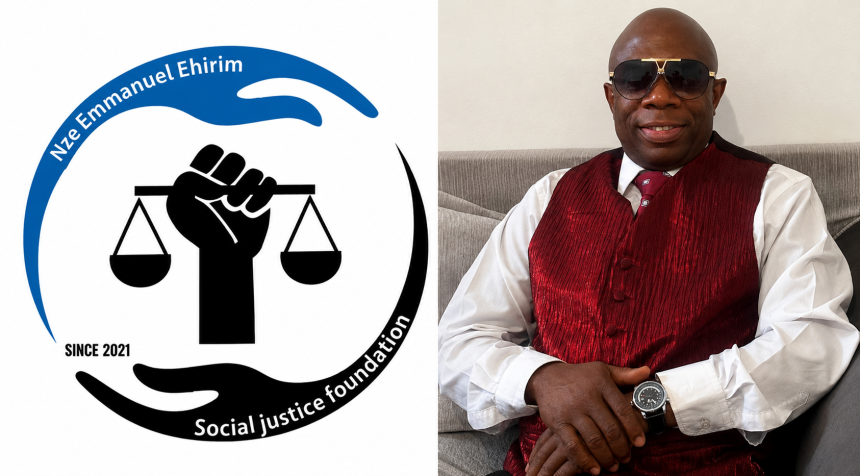
Nze Emmanuel Ehirim is a corporate communication practitioner, community development advocate and social policy commentator with extensive experience and interest in governance, leadership, social justice and sustainable development.
He writes regularly on public policy, accountability, community participation, oil and gas governance, environmental justice, education, security and socioeconomic development.
Ehirim is passionate about promoting transparent leadership, the equitable distribution of public resources and policies that place people at the centre of development. His commentaries advocate responsible governance, institutional accountability and inclusive partnerships between government, investors and local communities to achieve sustainable growth.
Drawing on his experience in community engagement and public service, he believes that the true measure of government lies not merely in the wealth generated from natural resources, but in the positive transformation of people’s lives through quality education, accessible healthcare, improved infrastructure, security, employment opportunities and social justice.