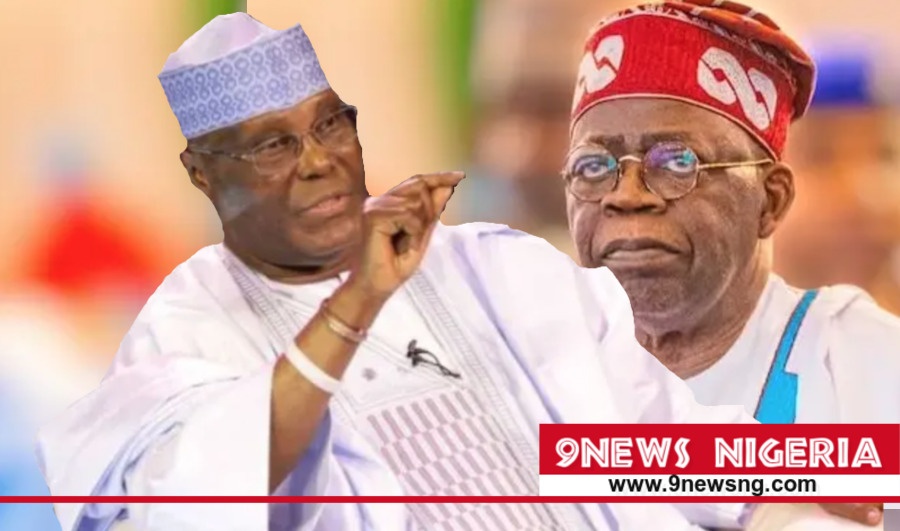
Former Vice President and African Democratic Congress (ADC) Presidential candidate, Atiku Abubakar has criticised the Federal Government’s planned 30-day petrol discount at NNPC stations.
Atiku, said the temporary intervention was inadequate after years of high petrol prices and rising transportation and food costs under the President Bola Tinubu administration.
In a statement issued on Thursday by Phrank Shaibu, Director of Strategic Communication of the ADC Presidential Campaign Council, Atiku accused the government of introducing the discount as an election-related measure rather than implementing a sustainable economic policy.
His reaction followed the Federal Government’s announcement that petrol sold through NNPC stations would be discounted for an initial period of 30 days, with priority given to public transport operators nationwide.
Minister of Finance and Coordinating Minister of the Economy, Taiwo Oyedele, had explained that the intervention was not a return to fuel subsidy, but an arrangement under which government would sell petrol at cost for the duration of the programme.
Atiku, however, rejected the explanation, describing the measure as a temporary subsidy-style intervention.
“Nigerians are not fools to be offered a month of discounted fuel after years of punishing prices and then expected to forget the hardship when the discount expires. This is shameless and heartless,” he said.
The former Vice President questioned what would happen after the 30-day period, arguing that Nigerians would still face high petrol prices, transportation costs and food inflation once the intervention ends.
“What happens on Day 31? Nigerians wake up to the same brutal prices, the same punishing transport fares and the same rising cost of food,” Atiku said.
He also raised concerns about the scope of the programme, noting that the discount would be limited to NNPC stations alone.
He said the government had yet to disclose how much motorists would save per litre or provide guarantees that lower fuel costs for transport operators would translate into reduced fares for passengers.
Atiku said the government’s decision to introduce the temporary measure amounted to an admission that Nigerians were experiencing severe economic hardship.
He renewed his call for what he described as “capped and budgeted production support” tied to petrol refined domestically, with safeguards to ensure that the benefits reach consumers while also supporting local refineries.
“Nigerians need lasting relief, not a countdown to the return of hardship. Tinubu’s government cannot spend years telling Nigerians to endure, then offer 30 days of relief and call it a solution,” he said.
Atiku further argued that the proposed intervention demonstrated that his production-support proposal was feasible, despite previous objections from the government.
The former Vice President concluded by restating his campaign message, saying: “Tinubu made life expensive. I will make life affordable again.”
The Federal Government has maintained that its 30-day petrol discount is not a reinstatement of the former fuel subsidy regime, but a temporary cost-based intervention aimed particularly at reducing the burden on public transport operators and commuters.