By Princely Onyenwe | News Desk
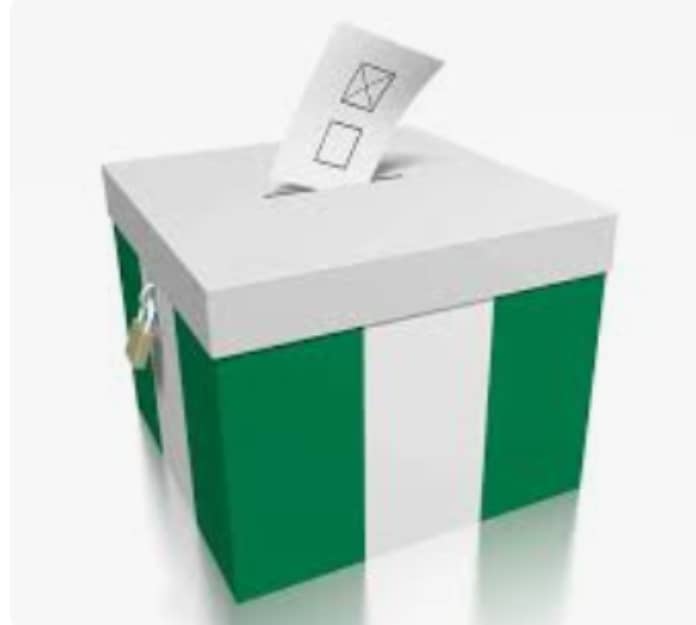
OWERRI, Imo State – Growing uncertainty over political party participation and the conduct of primaries ahead of the November 14 Local Government Council election in Imo State is generating confusion, political tension and concerns about the credibility of the electoral process.
The concerns centre on the apparent lack of adequate information regarding the number of political parties participating in the election, their respective candidates and the processes through which chairmanship and councillorship aspirants are emerging.
Particularly troubling is the reported lack of awareness among some members of the ruling All Progressives Congress (APC) regarding the party’s primary election arrangements, with questions being raised about internal communication, inclusiveness and the involvement of grassroots members in the candidate-selection process.
Some party members are reportedly uncertain about the arrangements, including the procedures and preparations for the primaries, despite the approaching election date.
The development has consequently raised questions about how party primaries can be effectively conducted without adequate awareness and participation of members, particularly those expected to mobilise support for the eventual candidates across the 27 local government areas.
The situation has also generated concerns about whether political parties have been given sufficient time to organise credible primaries, present their candidates and engage the electorate ahead of the election.
The Imo State Independent Electoral Commission (ISIEC), under the chairmanship of Chief Charles Ejiogu, had announced November 14, 2026, as the new date for the local government election following two previous postponements.
The election, when conducted, is expected to produce 27 local government chairmen and 305 councillors across the state.
In its announcement, ISIEC directed registered political parties to visit its headquarters at No. 21 Orlu Road, Owerri, to collect the official election timetable and guidelines. The commission also expressed its readiness to observe the respective party primaries in accordance with applicable electoral laws.
However, the latest developments have heightened public interest in the actual level of preparedness among the participating political parties, particularly regarding the conduct of primaries and the emergence of candidates.
As the November 14 date approaches, questions are being raised over how many political parties have successfully conducted their primaries, how many candidates have emerged and whether the processes have complied with the principles of internal party democracy.
Beyond the immediate concerns, the situation has reopened discussions about the future of participatory politics and the quality of grassroots democracy in Imo State.
Political observers and concerned stakeholders argue that local government elections should provide opportunities for competing political parties to present their candidates, publicise their manifestoes and engage citizens on their proposed policies and development programmes.
They maintain that the beauty of democratic politicking lies not merely in announcing election dates or producing candidates but in allowing party members and the electorate to participate meaningfully in the process.
There are also concerns that if political arrangements that exclude or inadequately inform party members continue, participatory politics could gradually become concentrated in the hands of a few influential individuals and the government in power, leaving ordinary party members and citizens with little influence over decisions that determine their political future.
Such a development, stakeholders warn, could weaken political competition, undermine accountability and diminish the electorate’s opportunity to interrogate candidates on their public manifestoes before voting.
The concerns have therefore prompted calls for ISIEC and the leadership of the political parties, particularly the APC, to provide comprehensive information about the electoral timetable, primary election arrangements, participating parties and officially nominated candidates.
The electoral commission is also expected to reassure the electorate that all participating political parties and their aspirants are being accorded a level playing field in accordance with the relevant electoral laws.
With the election approaching, the need for transparency, effective communication and genuine political participation has become increasingly important to sustaining public confidence in the exercise.
For many concerned citizens, the issue goes beyond who eventually occupies the 27 chairmanship positions and 305 councillorship seats. It concerns whether the process will strengthen grassroots democracy or further entrench a political culture in which ordinary citizens have little say in determining those who represent them.
The growing uncertainty has therefore raised a fundamental question for the Imo political leadership and electoral authorities: Can a local government election command public confidence when questions remain about party participation, internal democracy and the transparency of the processes through which candidates emerge?
Stakeholders are urging the relevant authorities to address the concerns before the emerging situation becomes normalised as an acceptable pattern of democratic governance in Nigeria.
For more inquiries on this news report contact 9News Nigeria on +234 08036856526