How Imo State Can Lead Nigeria’s Long-Overdue Adult Social Care Revolution (Part Two)
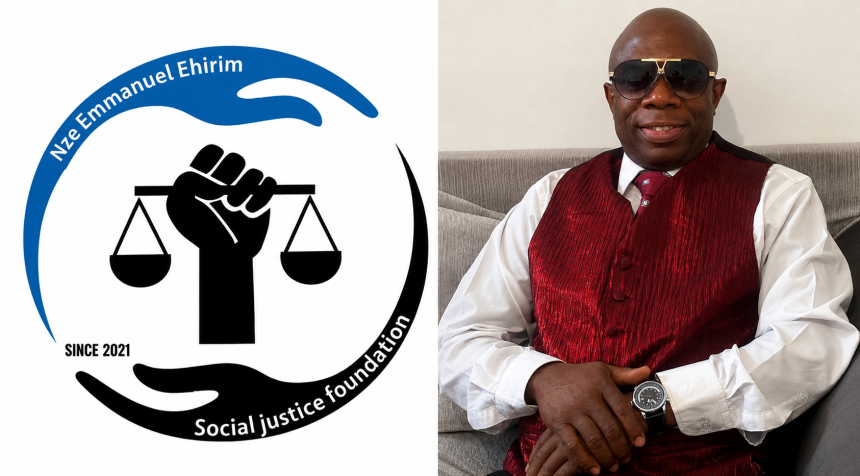
By Nze Emmanuel Ehirim | Guest Writer
In many parts of Nigeria today, growing old often means becoming increasingly dependent on family members who are themselves struggling to cope with economic and social pressures. While respect and care for the elderly remain deeply rooted in our culture, the realities of modern life have exposed the limitations of relying solely on informal family support.
The Cost of an Underdeveloped Care System
Outside the family structure, there are very few organised services available to support older people. Publicly funded home care is virtually non-existent. Community rehabilitation services remain limited, while specialist dementia care is still largely underdeveloped.
Social workers are primarily deployed in child protection and family welfare, leaving adult social work with little policy attention. Likewise, geriatric medicine remains a relatively small medical specialty despite the country’s steadily growing elderly population.
The consequences of these gaps are becoming increasingly visible across Nigeria.
Many elderly Nigerians delay seeking medical care because they cannot afford the cost of treatment. Those recovering from strokes, fractures and other debilitating illnesses often receive little or no rehabilitation after leaving hospital, making recovery slower and reducing their ability to live independently.
Older adults who live alone may remain unnoticed until their condition becomes critical. Families frequently struggle without professional guidance, while chronic illnesses that could have been effectively managed through community support often develop into costly medical emergencies.
These are not merely healthcare challenges. They are social, economic and humanitarian issues that affect families, communities and national development.
Why Imo State Is Well Positioned
Imo State is uniquely placed to change this narrative.
Known as the Eastern Heartland, the state possesses respected educational institutions, experienced healthcare professionals and a strong tradition of community organisation. These strengths provide a solid foundation upon which a modern adult social care system can be built.
Rather than waiting indefinitely for a nationwide policy, Imo State has an opportunity to pioneer a comprehensive model that other states can study and replicate.
Building the Right Institutions
The first step should be the establishment of a Directorate of Adult Social Services within the ministry responsible for health or social welfare.
Such a directorate would coordinate services for older people, adults living with disabilities and vulnerable adults requiring safeguarding and support. Its responsibilities should extend beyond responding to crises by promoting healthy ageing, independent living and community-based care.
Alongside this initiative, Imo State should establish multidisciplinary community care teams made up of doctors, nurses, social workers, physiotherapists, occupational therapists, psychologists and community health workers.
Working together, these professionals would provide coordinated support in people’s homes, helping to prevent unnecessary hospital admissions while enabling older adults to remain safely within their communities for as long as possible.
Developing the Workforce
No care system can succeed without trained professionals.
Universities such as the Federal University of Technology, Owerri, together with other tertiary institutions across Nigeria, should collaborate with government to develop specialised programmes in gerontology, geriatric nursing, adult social work and rehabilitation sciences.
Nigeria cannot build an effective adult social care system without first investing in the workforce that will deliver it.
Primary healthcare centres should also be strengthened to become community hubs for elderly care. Routine screening for hypertension, diabetes, dementia, osteoporosis and visual impairment should become standard practice for older adults.
Community outreach programmes can identify isolated elderly people before preventable conditions become life-threatening, ensuring early intervention and improving long-term health outcomes.
The opportunity before Imo State is not simply to improve healthcare. It is to build a compassionate, coordinated and sustainable adult social care system that protects dignity, promotes independence and provides hope for future generations.
…To be continued in Part Three.