The decision by the National Assembly’s Joint Committee on Constitution Review to support the creation of an additional state in Nigeria’s South East region has reignited long-standing debate about equity, balance, representation and the political restructuring of Africa’s most populous nation.
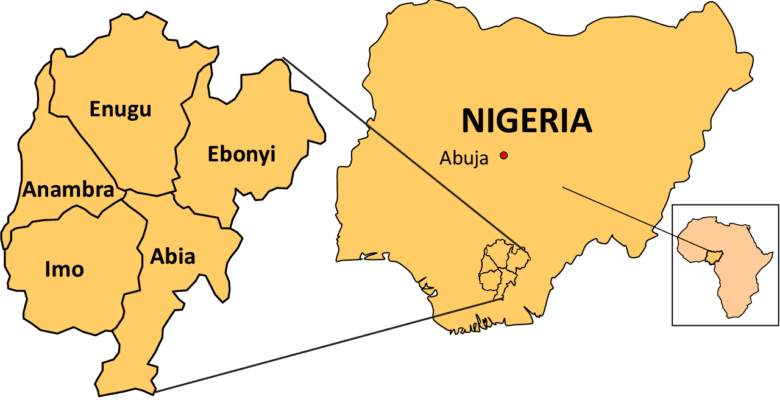
For decades, the South East, comprising Abia, Anambra, Ebonyi, Enugu, and Imo States has lived with the reality of being the only region with five states.
In contrast, the North West boasts seven, while the other four regions each have six.
The imbalance has not only translated into political underrepresentation but also economic and administrative disadvantages, especially in resource allocation, legislative representation and federal appointments.
The Question of Fairness
At its core, the proposal to create a new state in the South East speaks to a deep-seated demand for fairness.
The clamour for equal representation is not new; it dates back to the days of constitutional conferences and restructuring debates.
Each administration since 1999 has acknowledged this disparity, but none has been able to deliver on it.
The unanimous support from lawmakers led by Deputy Senate President Barau Jibrin and Deputy Speaker Benjamin Kalu during the committee’s retreat in Lagos signals what may be the closest attempt yet to correct this imbalance.
But the real question is whether this support will survive the political and regional calculations that often cripple genuine reform in Nigeria.
Beyond Sentiment; The Politics of State Creation
While equity is the most compelling argument for a new state, history has shown that the politics of state creation in Nigeria rarely ends with justice.
The process is often clouded by ethnic lobbying, power tussles, and hidden economic motives.
Already, different interest groups in the South East have begun positioning for which area would become the “sixth state”, a contest that could deepen regional divisions if not handled with sincerity and consensus.
Moreover, the committee’s decision to consider 55 new state proposals nationwide raises another concern: can Nigeria’s current economic reality sustain more states? With most of the existing 36 states struggling to pay salaries and depending heavily on federal allocations, the question of viability cannot be ignored.
Is it Reform or Political Symbolism?
The committee also approved other progressive amendments; such as allowing independent candidates in elections and providing an additional legislative seat for women in each state.
These reforms, if implemented, could reshape Nigeria’s political landscape by opening up the space beyond traditional party structures and improving female representation in governance.
However, Nigeria’s reform history is littered with promising proposals that never made it past the National Assembly floor or state legislature approval stage.
For this new move to translate into tangible change, it must go beyond mere symbolism and be backed by political will and national consensus.
The Bigger Picture
Nigeria today stands at a delicate intersection facing economic fragility, rising insecurity and deepening public distrust in governance.
The push for a new state in the South East is, therefore, more than a regional demand; it is a test of whether the country is ready to address structural inequities that have fueled resentment and calls for self-determination.
If executed with transparency and equity, the creation of a sixth state in the South East could serve as a unifying gesture, one that restores faith in the idea of a balanced federation.
But if mishandled, it risks becoming another chapter in Nigeria’s long story of promises without fulfillment.
Either way, this latest development places the National Assembly at a crossroads between history and hesitation.
This is purely an analysis and not an opinion by Chinedum Anayo.