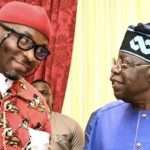
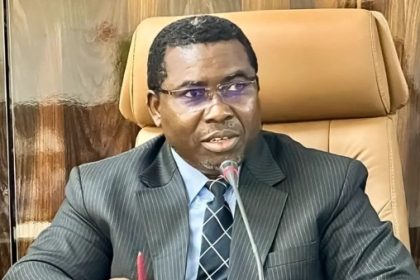
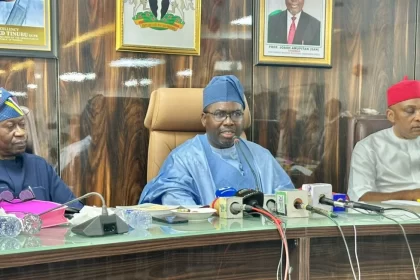
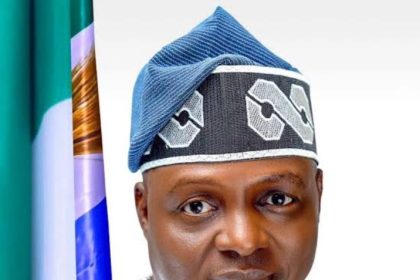
Deputy Speaker of the House of Representatives, Rt. Hon. Benjamin Kalu, boldly declared that President Bola Ahmed Tinubu would receive over 70 percent of the South East votes in the 2027 general elections.
His argument rests on the President’s recent political outreach to the region, most notably, the establishment of the South East Development Commission (SEDC).
But while the sentiment is laudable, the reality remains layered, complicated, and far from guaranteed.
It is important to recognize that President Tinubu has taken significant steps that previous administrations failed to actualize for the South East.
One of the most historic is his approval of the SEDC—a bill that had lingered in legislative limbo for years.
This commission is designed to address decades of infrastructural neglect, rural decay, and socio-economic marginalization in the post-war Igbo heartland.
That the President not only signed it into law but also made financial provisions for its implementation is a meaningful gesture.
Furthermore, Tinubu’s administration has made key political appointments from the region, signaling an attempt at inclusion.
These include: Rt. Hon. Benjamin Kalu – Deputy Speaker of the House of Representatives, the highest-ranking Igbo politician in the current federal structure; Senator Dave Umahi – Minister of Works, overseeing critical infrastructure projects across the country; Uche Nnaji – Minister of Innovation, Science and Technology; Dr. Doris Uzoka-Anite – Minister for State for Finance.
These appointments place Igbos in strategic positions where national decisions are shaped and executed.
This is a clear sign that the Tinubu administration is not only listening but acting.
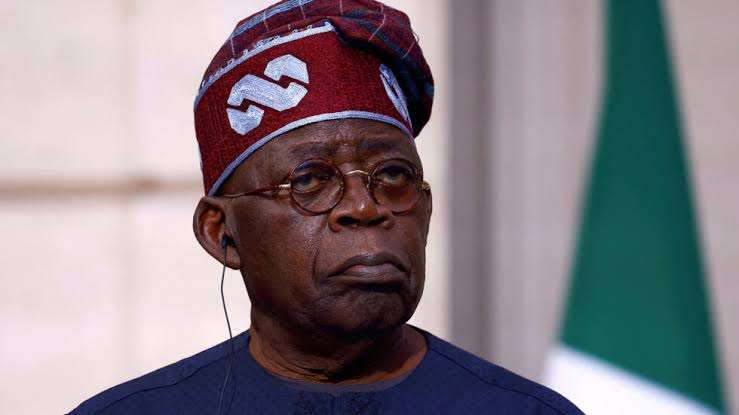
However, to assume that symbolic and structural gestures automatically translate to overwhelming electoral support would be simplistic.
The South East’s political disposition has, for years, been shaped by deep-rooted grievances stemming from the civil war, systemic exclusion, and perceptions of marginalization under successive governments.
These emotions do not evaporate overnight.
President Tinubu’s 2023 electoral showing in the region was dismal, with Labour Party’s Peter Obi dominating the landscape.
For many young Igbos, Obi represented the face of a long-awaited political reawakening; an indigenous candidate who spoke directly to their aspirations.
That momentum, coupled with a perceived lack of adequate federal presence in Igbo states before 2023, continues to influence public sentiment.
Moreover, the rise in insecurity, especially in parts of the South East remains a sensitive issue.
Many residents feel that Abuja has not done enough to quell unrest or address the root causes of agitation.
Until these security concerns are tackled head-on, any promise of political realignment will remain on shaky ground.
Beyond Sentiment: What Must Be Done
If the Tinubu administration is to truly win the hearts and votes of the South East, it must go beyond policy announcements and political appointments.
It must deliver on roads, education, healthcare, and peace.
The Second Niger Bridge is complete, but access roads remain in disrepair. Youth unemployment is rampant.
Federal presence in terms of projects and investments must be felt, not just mentioned.
Deputy Speaker Kalu is right to applaud what has been done so far, but the Igbo political memory is long and analytical.
Gratitude alone won’t drive voter turnout because only results will.
President Tinubu has taken commendable steps toward rebuilding the broken bridge between the South East and the federal government.
However, whether those efforts will be rewarded with 70 percent of the votes in 2027 remains uncertain.
The Igbos are watching, not just listening and in 2027, they will vote not only based on sentiment but on a concrete assessment of impact, justice, and delivery.
NOTE: This is not opinionated but empirical to say the least.