🟢 An Editorial Reflection On Fatherhood, Leadership And Legacy
By Princely Onyenwe
As the world commemorates Father’s Day, attention has once again shifted to one of society’s most influential yet often underappreciated institutions — fatherhood. Beyond family celebrations, gifts and expressions of gratitude, the occasion serves as a reminder that fathers remain among the silent builders of homes, values, communities and nations.
Across generations and cultures, fathers have played vital roles as providers, mentors, protectors and guides. Their sacrifices frequently extend beyond their immediate families, influencing the moral, social and economic development of entire societies. Father’s Day, now observed in more than 100 countries, continues to recognize the enduring contributions of fathers and father figures around the world.
Strong nations are rarely built by governments alone. They are built first within families, where values, discipline, integrity and responsibility are nurtured. At the center of many successful families stands a father whose guidance helps shape future leaders, professionals, innovators and responsible citizens.
In today’s world, fathers face increasing pressures arising from economic uncertainty, rising living costs, social challenges and changing family structures. Yet millions of men continue to shoulder responsibilities quietly, working tirelessly to provide opportunities, education and stability for their children. Recent public discussions across different countries reveal that many fathers continue to struggle with financial burdens, work-life balance and societal expectations while remaining committed to their families.
The Holy Scriptures equally emphasize the importance of fatherhood and moral leadership. Proverbs 22:6 declares:
“Train up a child in the way he should go, and when he is old he will not depart from it.”
Similarly, Proverbs 20:7 states:
“The righteous who walks in his integrity—blessed are his children after him.”
These biblical teachings present fatherhood as a sacred responsibility that extends beyond financial provision. Fathers are called to lead through wisdom, integrity, discipline and compassion. Their actions become lessons, while their character often becomes the foundation upon which future generations are built.
History repeatedly demonstrates that many of society’s greatest leaders, innovators and nation-builders were shaped by fathers, guardians and mentors who invested time, values and sacrifice into the lives of their children. Behind many success stories are men whose contributions may never appear in headlines but whose influence continues through generations.
As one timeless saying reminds us, “Any man can be a father, but it takes someone special to be a dad.” Another reflection equally states: “A father’s greatest investment is not in his wallet but in the lives he helps build.”
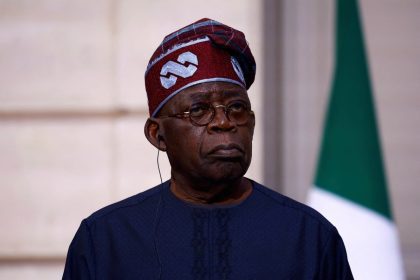
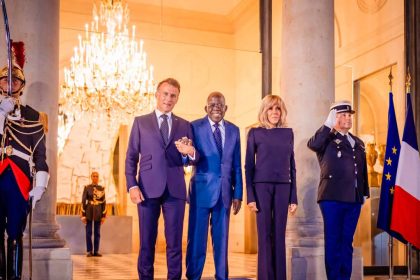
In addition , fathers who established the foundations of governments and administrations across the continents are captured in this editorial. My aim is to further recognize their efforts , vision and dedication to nation building. I also extend my wishes to all departed souls of fatherhood to rest in perfect peace while charging the living to show good examples
However, responsible fatherhood also extends beyond the home. Fathers are expected to contribute positively to society by supporting the less privileged, mentoring young people, promoting education, encouraging entrepreneurship and participating in community development. Society equally expects fathers to reject corruption, greed, bad governance, social injustice and destructive influences that threaten future generations.
Father’s Day therefore serves as more than a celebration. It is an opportunity for societies to recognize the silent sacrifices of men who continue to carry responsibilities with resilience and dignity. Around the world, the day has increasingly become a reflection on the evolving role of fathers as emotional supporters, mentors and active caregivers.
As nations seek sustainable development, the importance of responsible fatherhood cannot be overlooked. Strong fathers often raise responsible citizens, and responsible citizens help build stronger communities and nations. The strength of any nation frequently begins with the strength of its families, and the strength of families often rests upon fathers who lead with love, purpose and integrity.
At a time when many societies face moral, economic and social uncertainties, fathers continue to demonstrate resilience, sacrifice and unwavering commitment. Their influence reaches far beyond their households and contributes significantly to the social fabric of communities.
The world must therefore do more than celebrate fathers once a year. It must support, encourage and empower men who carry the responsibilities of fatherhood with honour and dedication. In honouring fathers, society honours the men who quietly build homes, shape destinies and help build nations.
In summary, may we remember the men whose sacrifices often go unseen, whose love is expressed through responsibility, and whose legacy lives on through the generations they inspire.
Again I say, Happy Father’s Day!