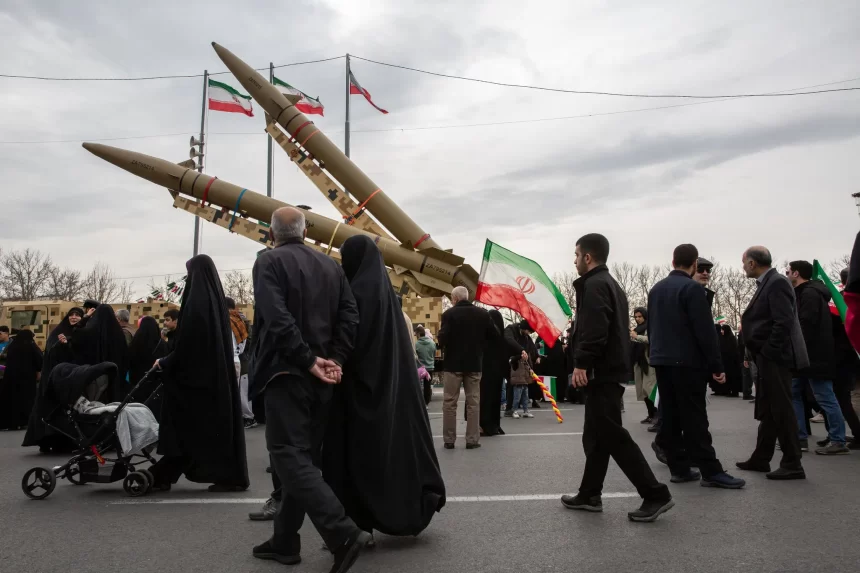
As tensions deepen between Washington and Tehran, fresh warnings have emerged over Iran’s nuclear ambitions, even as the United States ramps up its military presence across the Middle East in what analysts describe as a calculated show of force.
9News Nigeria reports that the United States has deployed an additional 10,000 troops to the region, pushing the total number of American personnel linked to the Iran conflict to over 50,000. The move signals a dual-track strategy — intensifying pressure on Iran while keeping military options open should diplomatic efforts collapse.
Amid the escalation, a former Central Intelligence Agency operative, Mike Baker, has issued a stark warning, insisting that Iran has consistently failed to demonstrate any genuine willingness to abandon its nuclear programme.
According to him, Tehran’s posture has remained unchanged over the years, particularly in its refusal to comply with key international demands, including handing over enriched uranium or scaling back sensitive nuclear activities.
“They have never, ever negotiated in good faith, nor have they shown any serious signs of giving up their nuclear programme — and they are not showing any of those signs now,” Baker stated.
The latest troop surge comes at a time when the White House has publicly expressed optimism that a resolution to the standoff could be within reach. However, security analysts argue that the growing military footprint tells a different story — one that suggests Washington is preparing for a scenario where negotiations fail to yield results.
Baker noted that the increased deployment is not merely symbolic but part of a broader effort to compel Iran back to the negotiating table under intensified pressure. He added that the expanded military presence also equips the United States with additional operational flexibility should diplomatic engagements break down.
Beyond the nuclear issue, Iran’s regional influence remains a major sticking point. The country’s continued support for proxy groups across the Middle East has further complicated attempts to reach a comprehensive agreement, raising concerns among Western allies.
Despite recent US-led strikes that reportedly disrupted aspects of Iran’s military command structure, key components of its nuclear infrastructure are believed to remain intact, reinforcing fears that Tehran’s long-term strategic objectives have not shifted.
With both sides holding firm positions, negotiations are now said to be at a critical juncture, with expectations that talks could resume in the coming days. However, the widening trust deficit and entrenched demands on both ends continue to cast doubt over the prospects of a lasting resolution.
Report compiled by 9News Nigeria Foreign Correspondents