Discovering the deep-rooted history and cultural heritage of the Ilaje people who shaped Ondo State’s coastal identity
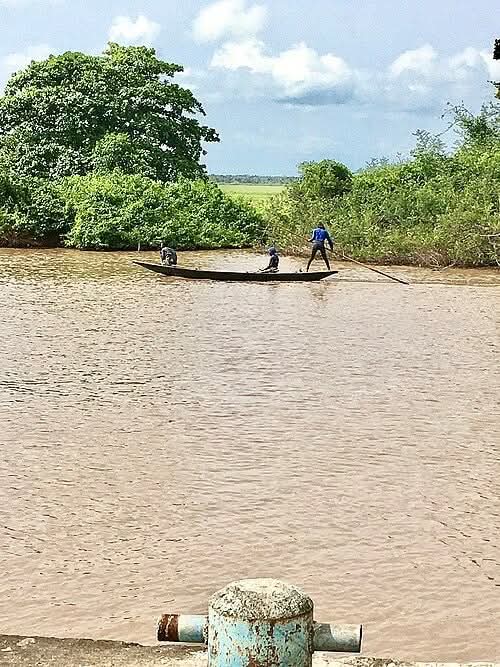
When people think of Ondo State, they often imagine its rugged hills, fertile farmlands, and bustling inland towns like Akure or Owo. Yet, tucked away along its southern edge lies a lesser-known marvel — the Ilaje coastal region, home to some of Nigeria’s most fascinating waterways and beaches. The Ilaje River, shimmering under the sun and dotted with wooden fishing boats, tells a story that stretches back over a thousand years — a story of migration, trade, faith, and resilience.
The Origins of the Ilaje People
The Ilaje people trace their ancestral roots to Ile-Ife, the cradle of the Yoruba civilisation. According to oral history, they migrated southward around the 10th century, moving toward the Atlantic coast in search of new lands and fertile waters. Their journey led them to settle along the littoral stretch of southeastern Yorubaland, in what is today known as Ilaje Local Government Area of Ondo State.
Their settlement along the Atlantic Ocean and its riverine surroundings shaped their destiny. Over centuries, the Ilaje people evolved into expert fishermen, canoe builders, and traders. Their location became a bridge between inland Yoruba communities and other coastal peoples, including the Ijaw and the Itsekiri.
Life Along the Ilaje River
The Ilaje River is more than just a body of water — it is the lifeline of the Ilaje people. It provides food, transport, and trade routes, and even serves as the stage for their cultural and spiritual expressions.
For generations, Ilaje fishermen have ventured into the creeks and the open Atlantic to fish for species like croaker, catfish, and tilapia. Fishing is not just an economic pursuit — it is a tradition passed down through families, often guided by rituals and seasonal ceremonies. The people’s intimate knowledge of tides, currents, and aquatic life reflects centuries of adaptation to their environment.
Spirituality and the River Gods
Religion and livelihood are intertwined in Ilaje life. The Malokun deity, believed to dwell in the depths of the sea, holds a central place in Ilaje cosmology. Malokun is revered as the protector of fishermen and traders who depend on the water for survival. Annual festivals are held to honour this deity, featuring vibrant dances, masquerades, and offerings that seek divine blessings for bountiful catches and safe voyages.
This spiritual connection between the Ilaje people and their waters reinforces a shared belief that the river and sea are sacred — living entities deserving of respect and care.
Trade and Cultural Exchange
Historically, the Ilaje coastline was a hub for regional trade. Goods such as fish, salt, and palm oil were exchanged with inland Yoruba towns and neighbouring ethnic groups. Canoes and small sailing vessels transported commodities across waterways, linking communities and fostering cultural exchange.
During the colonial era, the Ilaje region became an important contact point for European traders and missionaries who used the waterways to access the interior. Despite colonial intrusion, the Ilaje people retained much of their traditional structure, blending external influences with indigenous customs.
Modern Developments and Challenges
Today, Ilaje remains one of Ondo State’s most resource-rich areas, particularly known for its oil and gas reserves. Yet, this blessing has also brought challenges — environmental degradation, flooding, and disputes over resource control. Many Ilaje communities are affected by coastal erosion, which threatens homes, fishing grounds, and even cultural heritage sites.
Efforts by both government and non-governmental organisations continue to focus on improving infrastructure, education, and environmental sustainability in the region. However, despite these modern pressures, the Ilaje spirit remains unbroken — a testament to their deep-rooted connection to the sea and their enduring culture.
A Hidden Gem in Ondo State
Few people know that Ondo State is home to one of Nigeria’s most scenic natural coastlines. The Ilaje River and its adjoining beaches are peaceful, scenic, and culturally rich. The rhythm of paddles hitting water, the hum of fishermen preparing their nets, and the soft glow of sunset over the lagoon make it a tranquil escape from the inland bustle.
Visitors to the area often find that the true beauty of the Ilaje region lies not only in its natural scenery but also in its people — resilient, welcoming, and proud of their heritage.
The Ilaje River and its people remind us that history flows like water — constantly moving yet always connected to its source. Their story, deeply embedded in the sands of Ondo State’s coast, stands as a powerful symbol of human adaptability, faith, and endurance.
References:
Akinjogbin, I.A. (1980). The History of the Yoruba People.
National Commission for Museums and Monuments, Nigeria.
Ondo State Tourism Board Archives.