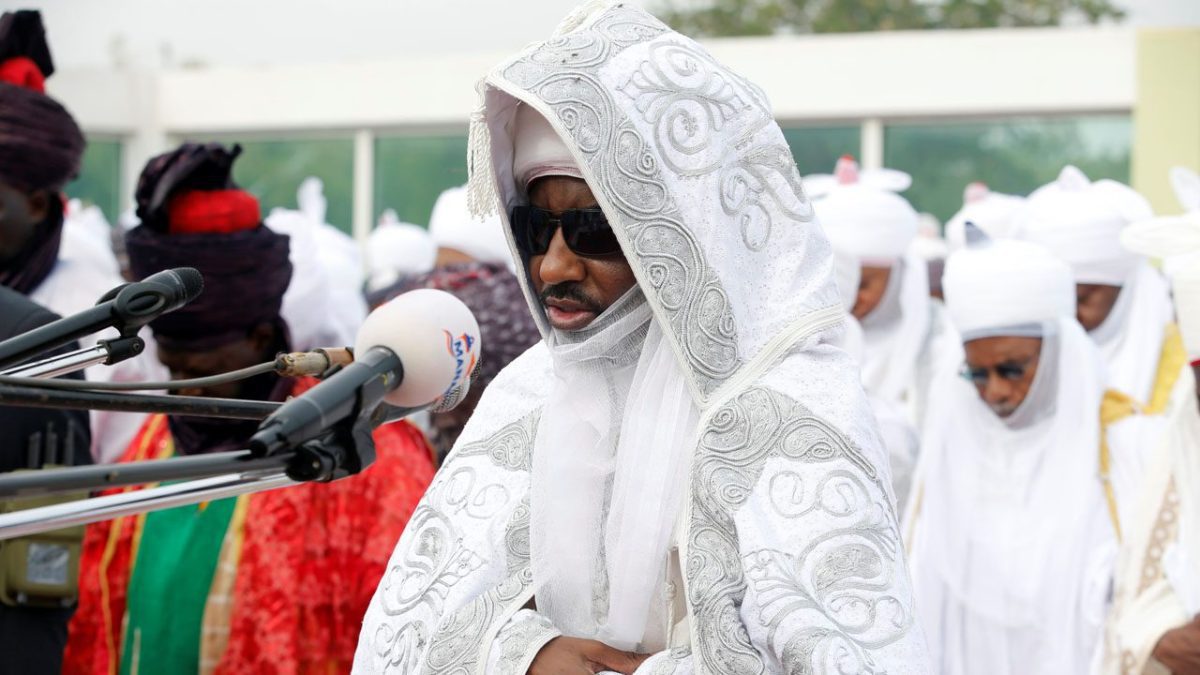
The Emir of Kano, Muhammadu Sanusi II, has questioned the Federal Government’s continued resort to borrowing, raising concerns over fiscal discipline despite the removal of petrol subsidy.
9News Nigeria reports that Sanusi made the remarks while reacting to Nigeria’s rising debt profile and fresh external loan requests, including a proposed $516 million facility tied to infrastructure development.
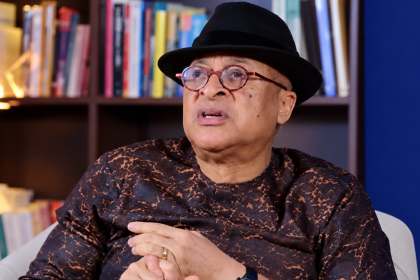
Speaking during an interview monitored on News Central TV, the former Governor of the Central Bank of Nigeria acknowledged that recent economic reforms—particularly subsidy removal and foreign exchange liberalisation—were necessary. However, he warned that the absence of fiscal consolidation could weaken their impact.
According to him, the expectation following subsidy removal was that government finances would stabilise, reducing the need for borrowing. Instead, he noted that Nigeria continues to accumulate debt, raising questions about how savings from subsidy elimination are being managed.
“If you’re not paying the subsidy and you’ve got the money, why are we still borrowing?” Sanusi asked, stressing the need for transparency and measurable outcomes from the reforms.
He further criticised Nigeria’s historical dependence on foreign refineries, describing it as a structural flaw in an oil-producing nation. Sanusi argued that the country had, for years, subsidised external refining capacity while neglecting its own.
“I have always said the subsidy regime was unsustainable. We cannot continue supporting foreign refineries,” he said.
Despite the criticism, the monarch expressed optimism over emerging shifts in the petroleum sector, noting that Nigeria is gradually moving toward domestic refining and even exporting petroleum products—developments he described as positive for the economy.
Sanusi also raised concerns over the sequencing of policy reforms, particularly the liberalisation of the exchange rate in what he described as a “loose monetary environment.” He warned that such conditions contributed to the sharp depreciation of the naira, arguing that tighter monetary controls should have preceded the policy shift.
“Artificial exchange rates cannot work, especially when money supply is not controlled,” he said, adding that timing remains critical in economic reform implementation.
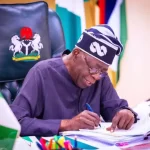
His comments come amid reports that the Federal Government has increased its 2026 borrowing plan to ₦29.20 trillion, alongside fresh loan requests, including the $516 million facility sought by President Bola Tinubu for the Sokoto–Badagry Superhighway project.
Analysts say Sanusi’s remarks reflect broader concerns about Nigeria’s fiscal sustainability, particularly at a time when citizens continue to grapple with inflation and rising living costs.
9News Nigeria understands that the debate over borrowing, reform outcomes, and fiscal discipline is likely to intensify as the government navigates economic recovery efforts.